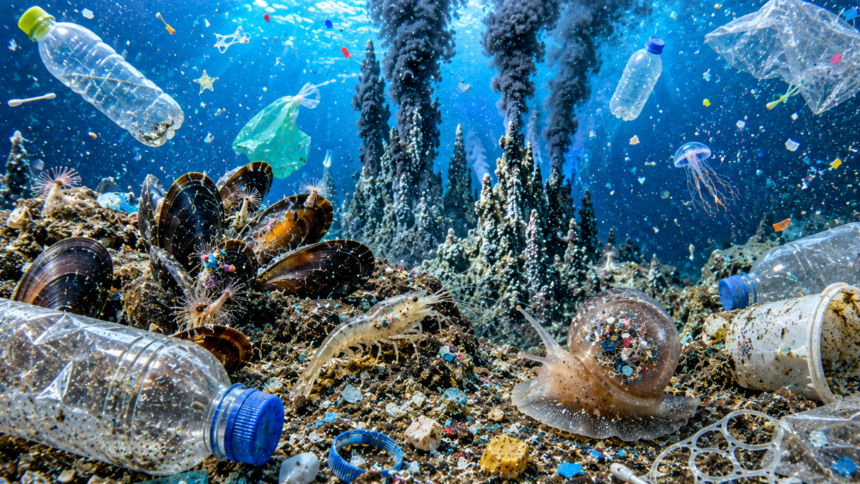
The deep ocean has long been considered a pristine environment, untouched by the ravages of human activity. However, a new study has revealed that this notion is nothing short of a myth. Scientists have discovered that nearly 9 out of 10 deep-sea animals living over 2,000 meters beneath the waves contain microplastics, sending shockwaves through the scientific community and raising alarm bells about the far-reaching consequences of plastic pollution.
First Section: The Depth of the Problem
The study, which analyzed the stomach contents of 72 deep-sea animals, including fish, squid, and crustaceans, found that 92% of the samples contained microplastics. These tiny plastic particles, which are smaller than 5 millimeters, can come from a variety of sources, including plastic bags, bottles, and other disposable items that have broken down over time. The researchers believe that the microplastics were ingested by the animals through their food or while swimming in the water.
The discovery is significant because it suggests that plastic pollution has reached even the most remote and isolated areas of the ocean. The deep ocean is a vast and largely unexplored environment, covering over 70% of the planet’s surface. It is home to a unique array of species that have adapted to the extreme conditions found at great depths. However, it appears that these species are not immune to the impacts of human activity.
Second Section: The Impact on Marine Ecosystems
The presence of microplastics in deep-sea animals could have significant implications for marine ecosystems. Microplastics have been shown to cause physical harm to animals, including blockages and nutrient deficiencies. They can also be ingested by smaller animals, which can then be consumed by larger predators, potentially leading to the transfer of toxins through the food chain.
The researchers warn that the discovery of microplastics in deep-sea animals may be just the tip of the iceberg. As plastic pollution continues to accumulate in the ocean, it is likely that more and more species will be affected. This could have far-reaching consequences for the health of marine ecosystems and the services they provide, including the regulation of climate and the production of oxygen.
Third Section: A Call to Action
The study’s findings are a stark reminder of the need for urgent action to address plastic pollution. The production and disposal of plastic waste have become major environmental concerns, with millions of tons of plastic entering the ocean every year. To mitigate the impacts of plastic pollution, scientists and policymakers must work together to develop effective solutions. This may involve changing consumer behavior, improving waste management practices, and developing new technologies to capture and remove plastic waste from the ocean.
The discovery of microplastics in deep-sea animals is a wake-up call for the scientific community and the general public. It highlights the need for greater awareness and understanding of the impacts of plastic pollution and the importance of taking action to protect the world’s oceans. By working together, we can reduce the amount of plastic waste that enters the ocean and help to preserve the health of marine ecosystems for future generations.