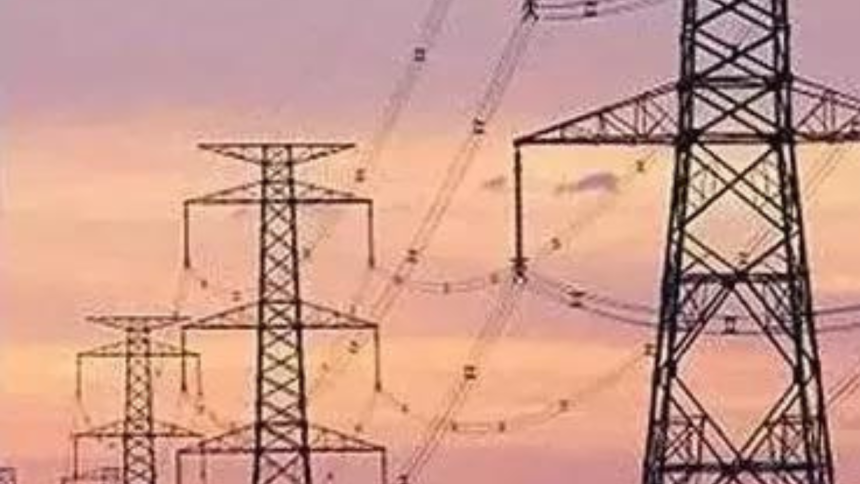
The Indian government’s push towards a sustainable energy future continues to gain momentum, with a recent meeting of the parliamentary consultative committee of the ministry of power shedding light on the pressing issues of grid stability and large-scale integration of renewable energy. As the country’s electricity demand continues to rise, policymakers and industry experts are working tirelessly to ensure that the grid is equipped to handle the increasing share of inverter-based generation resources and bulk loads. The meeting, which took place on Tuesday, served as a crucial platform for stakeholders to discuss the emerging requirements of grid stability and the steps needed to achieve a seamless transition to renewable energy.
Grid Stability: The Unsung Hero of India’s Energy Transition
Grid stability is the backbone of India’s energy infrastructure, and its importance cannot be overstated. As the country transitions to a cleaner and more sustainable energy mix, the grid must be able to accommodate the fluctuations in renewable energy generation. This requires a robust and flexible grid infrastructure that can absorb the variability of solar and wind power. The meeting highlighted the need for advanced grid management systems, including predictive analytics and artificial intelligence, to ensure that the grid remains resilient and efficient. Furthermore, the committee emphasized the importance of investing in grid infrastructure, including transmission lines and substations, to support the growing demand for electricity.
Experts also pointed out that the increasing adoption of electric vehicles (EVs) will further exacerbate the grid stability challenge. As EVs become more mainstream, the demand for electricity will surge, putting additional pressure on the grid. To mitigate this, policymakers are exploring innovative solutions, such as vehicle-to-grid (V2G) technology, which enables EVs to supply electricity back to the grid when not in use. This not only helps to stabilize the grid but also provides EV owners with a new revenue stream.
Large-Scale Integration of Renewable Energy: Opportunities and Challenges
The large-scale integration of renewable energy is a critical component of India’s energy transition strategy. The meeting highlighted the need for a comprehensive policy framework that enables the efficient integration of renewable energy into the grid. This includes the development of standardized guidelines for renewable energy projects, as well as the establishment of a robust monitoring and evaluation system to track progress. Experts also emphasized the importance of creating a favorable business environment for renewable energy developers, including simplified permitting processes and competitive pricing for renewable energy.
Furthermore, the committee discussed the need for advanced technologies, such as energy storage systems, to support the integration of renewable energy. Energy storage systems can help to mitigate the variability of renewable energy generation, ensuring a stable and reliable supply of electricity to the grid. Policymakers are also exploring the potential of green hydrogen as a new energy carrier, which can be produced using renewable energy and stored for later use.
Path Forward: Collaboration and Innovation
The meeting marked an important milestone in India’s journey towards a sustainable energy future. The committee’s recommendations and discussions will serve as a guiding framework for policymakers and industry experts as they work towards achieving grid stability and large-scale integration of renewable energy. The path forward requires collaboration and innovation, with stakeholders working together to develop and deploy cutting-edge technologies that support a seamless transition to renewable energy. By investing in grid infrastructure, adopting advanced technologies, and creating a favorable business environment, India can unlock the full potential of renewable energy and power a sustainable future for generations to come.
In conclusion, the meeting of the parliamentary consultative committee of the ministry of power has left a lasting impact on the energy landscape of India. As the country continues to navigate its energy transition journey, the lessons learned from this meeting will serve as a valuable resource for policymakers and industry experts. The path forward is uncertain, but one thing is clear: India’s commitment to a sustainable energy future is unwavering, and the country is poised to emerge as a global leader in renewable energy.