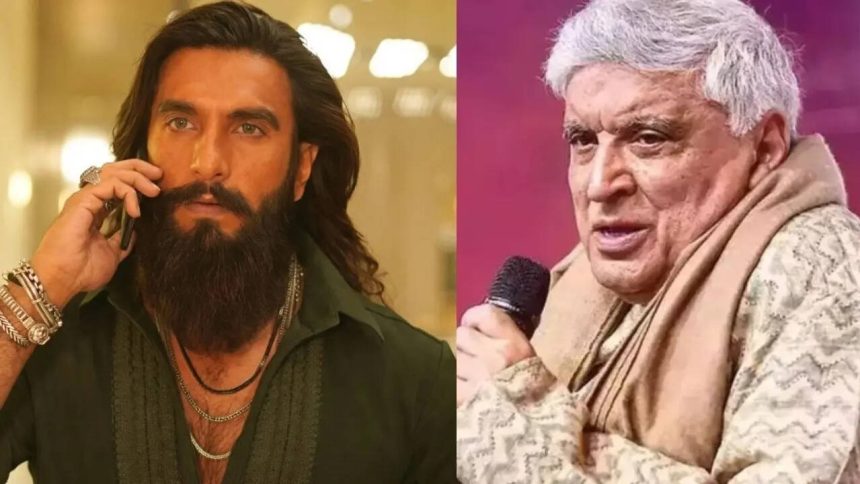
The world of cinema has been abuzz with the release of ‘Dhurandhar’ and its subsequent sequel ‘Dhurandhar: The Revenge’, with the films garnering both critical acclaim and intense scrutiny. The latest to join the conversation is renowned lyricist and poet Javed Akhtar, who has shared his thoughts on the controversy surrounding the film being labeled as a propaganda piece. Akhtar’s comments have sparked a fresh debate, with many taking to social media to share their opinions on the matter. The ‘Dhurandhar’ series has been making headlines since its release in December 2025, with its unique storyline and impressive visuals capturing the attention of audiences nationwide.
Understanding the Controversy
The controversy surrounding ‘Dhurandhar’ began when certain sections of the media and the public began to label the film as a propaganda piece, alleging that it promoted a particular ideology and presented a biased narrative. The film’s portrayal of certain historical events and its depiction of specific characters have been called into question, with some claiming that it distorted facts to suit a particular agenda. However, others have come to the film’s defense, arguing that it is a work of fiction and should not be judged on its historical accuracy. The debate has been ongoing, with both sides presenting their arguments and counterarguments.
Javed Akhtar’s comments on the matter have added a new dimension to the debate, with the veteran poet and lyricist stating that while he understands the concerns of those who label the film as propaganda, he believes that it is essential to separate fact from fiction. Akhtar emphasized the importance of artistic freedom and the need for filmmakers to be able to express themselves without fear of censorship or backlash. He also highlighted the significance of ‘Dhurandhar’ as a cultural phenomenon, stating that it has sparked a necessary conversation about the country’s history and its impact on contemporary society.
The Impact of ‘Dhurandhar’
The release of ‘Dhurandhar’ has had a significant impact on the film industry, with many praising its technical excellence and engaging storyline. The film’s success has also sparked a renewed interest in historical dramas, with several upcoming projects announced in the same genre. However, the controversy surrounding the film has also raised questions about the responsibility of filmmakers and the potential consequences of presenting a biased or inaccurate narrative. The debate has also highlighted the importance of media literacy and the need for audiences to critically evaluate the information presented to them.
The ‘Dhurandhar’ series has also been credited with promoting a sense of national pride and identity, with its portrayal of historical events and cultural heritage resonating with audiences across the country. The film’s success has also demonstrated the power of cinema to shape public discourse and influence cultural narratives. As the debate surrounding ‘Dhurandhar’ continues, it is essential to consider the film’s impact on the broader cultural landscape and its potential to shape our understanding of history and identity.
The Way Forward
As the controversy surrounding ‘Dhurandhar’ continues to unfold, it is essential to consider the way forward for filmmakers, audiences, and the broader cultural landscape. Javed Akhtar’s comments have emphasized the importance of artistic freedom and the need for filmmakers to be able to express themselves without fear of censorship or backlash. However, it is also essential to acknowledge the responsibility that comes with creative freedom and the potential consequences of presenting a biased or inaccurate narrative. The debate surrounding ‘Dhurandhar’ has highlighted the need for a nuanced and informed discussion about the role of cinema in shaping cultural narratives and promoting national identity.
The ‘Dhurandhar’ series has sparked a necessary conversation about the power of cinema and its potential to shape our understanding of history and identity. As we move forward, it is essential to consider the implications of this conversation and the potential consequences of the choices we make as filmmakers, audiences, and citizens. The controversy surrounding ‘Dhurandhar’ has demonstrated the significance of critical thinking and media literacy, and the need for us to engage with the information presented to us in a thoughtful and informed manner. As we continue to navigate the complex landscape of cinema and culture, it is essential to prioritize nuance, empathy, and understanding, and to approach these conversations with an open mind and a willingness to listen.