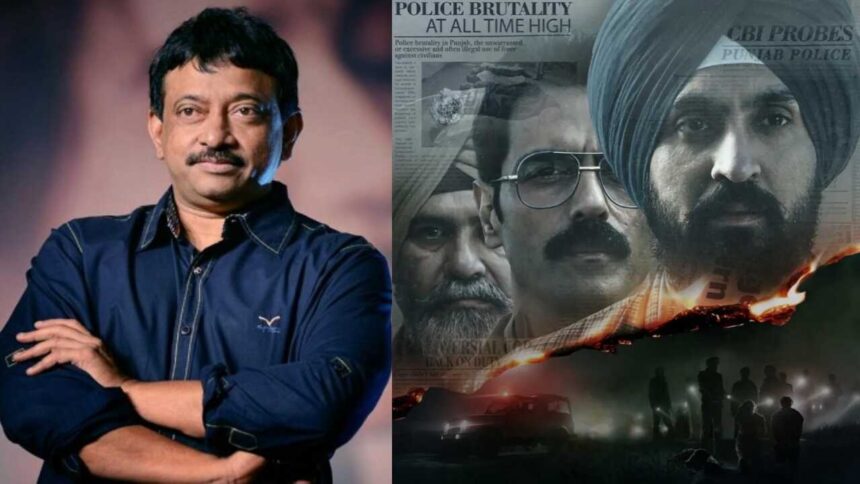
The recent removal of Diljit Dosanjh’s film ‘Satluj’ from its OTT platform has sparked a heated debate in the film industry, with many coming forward to voice their support for the film. Filmmaker Ram Gopal Varma is the latest to join the chorus, expressing his solidarity with the team behind ‘Satluj’, formerly titled ‘Punjab ’95’. The film, which is based on the life of human rights activist Jaswant Singh Khalra, had finally released on the platform on July 3 after years of delays, only to be taken down just two days later. This sudden move has left many in the industry shocked and disappointed, with many questioning the reasons behind the removal.
Background of the Film
The film ‘Satluj’ has been in the making for several years, with Diljit Dosanjh being closely involved with the project. The film is a biographical drama that tells the story of Jaswant Singh Khalra, a human rights activist who fought against the injustices faced by the people of Punjab during the 1980s and 1990s. The film’s release was highly anticipated, with many expecting it to shed light on a crucial period in Indian history. However, the film’s removal from the OTT platform has raised questions about censorship and the freedom of expression in the country.
The removal of ‘Satluj’ from the OTT platform is not an isolated incident, with several other films and shows facing similar issues in the past. The incident has highlighted the need for greater transparency and accountability in the way content is regulated on OTT platforms. Many have called for clearer guidelines and regulations to ensure that creative freedom is not compromised, while also ensuring that content does not offend or harm any individual or group.
Reaction from the Film Industry
Ram Gopal Varma’s support for ‘Satluj’ is significant, given his reputation as a filmmaker who has consistently pushed the boundaries of storytelling in Indian cinema. Varma has been vocal about his criticism of censorship and the ways in which it can stifle creative freedom. His support for ‘Satluj’ is a testament to the film’s importance and the need for it to be seen by a wider audience. Many other filmmakers and actors have also come forward to express their support for the film, highlighting the need for greater freedom of expression in the industry.
The incident has also sparked a debate about the role of OTT platforms in regulating content. While OTT platforms have given filmmakers and creators the freedom to experiment with new ideas and stories, they have also been criticized for their lack of transparency and accountability. The removal of ‘Satluj’ from the OTT platform has raised questions about the criteria used to decide what content is acceptable and what is not. Many have called for greater clarity and consistency in the way content is regulated on OTT platforms.
Future of the Film
The future of ‘Satluj’ remains uncertain, with the team behind the film exploring options to release it on other platforms. The film’s removal from the OTT platform has been a setback, but it has also generated a lot of buzz and interest in the film. Many are hoping that the film will be released on other platforms, where it can reach a wider audience. The incident has also highlighted the need for greater support and solidarity within the film industry, with many calling for filmmakers and creators to come together to protect their rights and freedom of expression.
The removal of ‘Satluj’ from the OTT platform is a reminder of the challenges faced by filmmakers and creators in India. Despite the growth of the film industry and the increasing popularity of OTT platforms, censorship and regulation remain major concerns. The incident has sparked an important debate about the need for greater freedom of expression and the importance of protecting creative rights. As the film industry continues to evolve and grow, it is essential that these issues are addressed, and filmmakers and creators are given the freedom to tell the stories they want to tell.