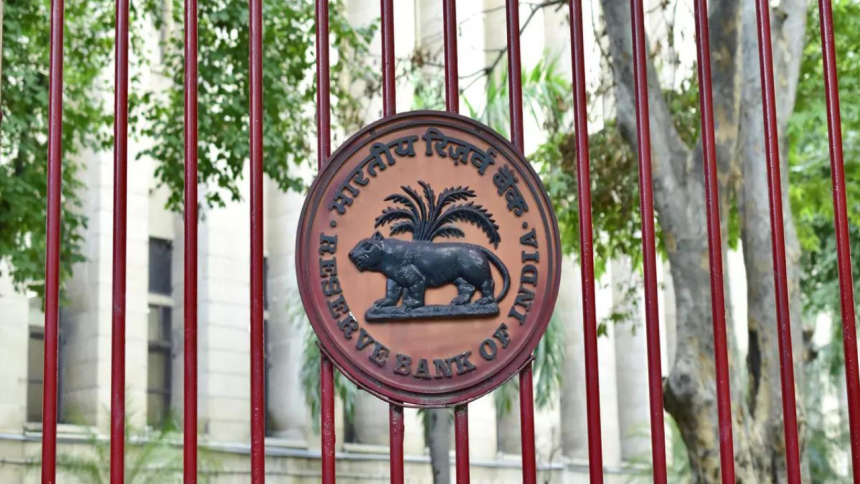
The Reserve Bank of India has taken a significant step towards increasing transparency in the banking sector, proposing a revised disclosure framework under Basel III norms. The new rules aim to provide a clearer picture of banks’ financial health by mandating the publication of detailed information on capital adequacy, leverage, liquidity, and risk exposure. This move is expected to promote market discipline and strengthen the overall resilience of the banking system.
More Transparency, Better Regulation
The RBI’s proposal is designed to bridge the gap between the information available to regulators and the public. Under the current framework, banks are required to submit detailed financial data to the RBI, but this information is not always made available to the public. The revised disclosure framework seeks to change this by mandating the publication of key data points, including capital and liquidity ratios, risk-weighted assets, and leverage ratios. This will enable investors, analysts, and the general public to make more informed decisions about bank investments.
The proposed framework also seeks to provide a more nuanced understanding of a bank’s risk profile. By publishing detailed information on risk exposure, banks will be able to demonstrate their ability to manage risk and mitigate potential losses. This, in turn, is expected to enhance investor confidence and promote a more stable financial system.
Liquidity and Leverage: The New Focus
The RBI’s revised framework places significant emphasis on liquidity and leverage ratios. Banks will be required to publish detailed information on their liquidity position, including their cash reserves, marketable securities, and other liquid assets. This will enable regulators to assess a bank’s ability to meet its short-term obligations and respond to unexpected shocks.
The leverage ratio, which measures a bank’s equity-to-assets ratio, will also be a key focus area. By publishing detailed information on leverage ratios, banks will be able to demonstrate their ability to manage debt and maintain a healthy capital cushion. This is expected to promote a more stable banking system and reduce the risk of bank failures.
A New Era of Transparency and Accountability
The RBI’s proposal marks a significant shift towards increased transparency and accountability in the banking sector. By mandating the publication of detailed financial data, banks will be held to a higher standard of disclosure and transparency. This, in turn, is expected to promote a more stable and resilient banking system, better equipped to withstand economic shocks.
The impact of the RBI’s proposal will be far-reaching, with banks required to adapt to the new disclosure framework within a specified timeframe. While the initial challenges may be significant, the long-term benefits of increased transparency and accountability are expected to outweigh the costs. As the banking sector continues to evolve, the RBI’s proposal will serve as a blueprint for a more transparent and resilient banking system.