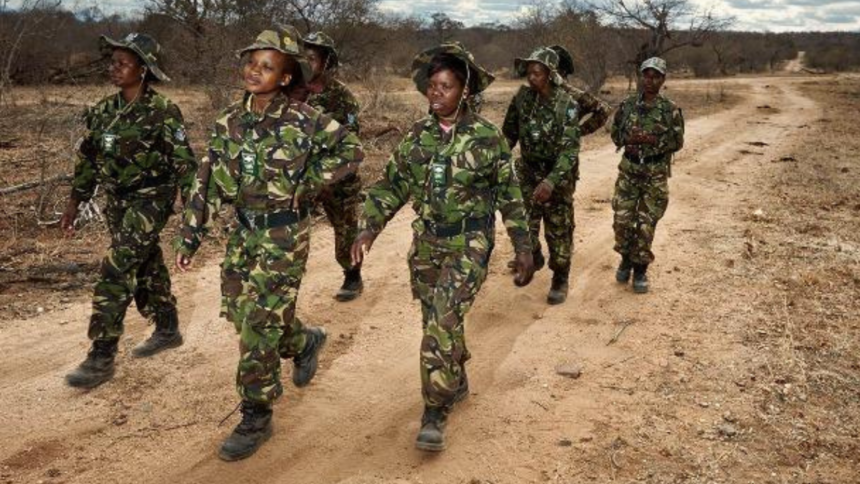
Deep within South Africa’s Greater Kruger landscape, a remarkable group of women is redefining the way endangered wildlife is protected. The Black Mambas, a team of 36 unarmed female rangers, are patrolling the frontline in one of the regions hardest hit by poaching, safeguarding endangered rhinos from the ever-present threat of illegal hunters. With unwavering dedication and unrelenting passion, these women are challenging conventional notions about conservation and wildlife protection, proving that even the most unlikely heroes can make a profound difference.
Patrolling the Frontline
The Black Mambas’ daily routine is a testament to their bravery and perseverance. Armed with nothing but their knowledge of the bush and an unshakeable commitment to their mission, these women scour the landscape for signs of poaching activity, from damaged fences and snares to footprints and other telltale signs of human presence. Their work is painstaking and often perilous, yet they remain undaunted, driven by a deep love for the land and its inhabitants. As they navigate the treacherous terrain, they are acutely aware of the risks they face, but their resolve remains unbroken.
By taking a proactive and preventive approach, the Black Mambas are able to disrupt poaching operations before they can take hold. Their presence in the bush serves as a powerful deterrent, sending a clear message to would-be poachers that this territory is fiercely protected. As a result, the incidence of poaching in the areas they patrol has begun to decline, offering a glimmer of hope for the long-term survival of the rhino population. The Black Mambas’ success is a powerful reminder that even the most marginalised communities can play a vital role in conservation efforts, and that empowering local women is a crucial step towards creating a more sustainable and equitable future.
Empowering Local Communities
The Black Mambas’ impact extends far beyond their immediate role as conservationists. By providing employment and training opportunities for local women, they are helping to break down social and economic barriers that have long hindered the development of rural communities. In a region where poverty and unemployment are rampant, the Black Mambas offer a beacon of hope, demonstrating that even in the most challenging circumstances, there are alternatives to a life of poverty and desperation. As the team’s reputation grows, so too does their influence, inspiring other women to follow in their footsteps and take an active role in shaping the future of their communities.
The Black Mambas’ commitment to community engagement is a key aspect of their approach, recognising that the conservation of wildlife is inextricably linked to the well-being of the people who live alongside it. By fostering a sense of ownership and responsibility among local residents, they are helping to build a more cohesive and sustainable relationship between humans and the natural world. This holistic approach to conservation is yielding remarkable results, as communities begin to see the value in protecting their natural heritage and the benefits that accrue from doing so.
A Symbol of Hope
The Black Mambas are more than just a group of dedicated conservationists – they are a symbol of hope for a brighter, more sustainable future. In a world where the natural world is facing unprecedented threats, their courage and conviction serve as a powerful reminder that even the most daunting challenges can be overcome. As the rhino population continues to teeter on the brink of collapse, the Black Mambas’ work is a poignant reminder that extinction is not inevitable, and that with determination, creativity, and a deep love for the land, it is possible to reverse the tide of destruction and restore the beauty and majesty of the natural world.
The story of the Black Mambas is one of inspiration and resilience, a testament to the human spirit’s capacity to adapt, to persevere, and to overcome even the most formidable obstacles. As their legend grows, so too will their impact, inspiring a new generation of conservationists and community leaders to take up the mantle and continue the fight against poaching and wildlife crime. The Black Mambas’ bravery and selflessness will never be forgotten, their names etched in the annals of history as pioneering heroes who dared to challenge the status quo and forge a new path towards a more sustainable future.