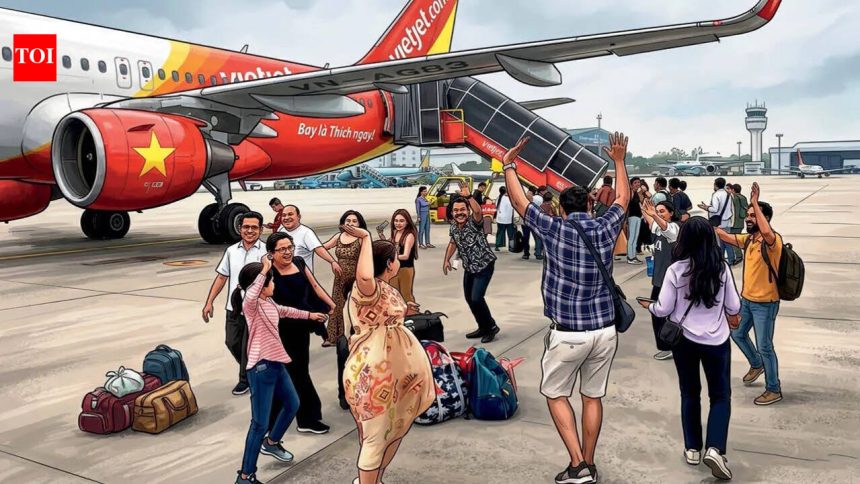
As I stood in the terminal, watching a group of passengers spontaneously break into a choreographed dance routine, I couldn’t help but feel a mix of emotions. On one hand, it was infectious and joyful, bringing smiles to the faces of everyone around them. On the other hand, I felt a pang of concern – were we sacrificing the sanctity of the airport experience for the sake of entertainment? As someone who loves dancing, I want to acknowledge the beauty of self-expression, but also consider the potential drawbacks of turning the airport into a stage.
Setting the Stage
Airports have long been a hub of activity, with people from all walks of life passing through their gates. In recent years, however, there has been a growing trend towards turning these spaces into entertainment venues. From flash mobs to live music performances, airports are increasingly being used as a platform for artistic expression. While this can be a wonderful way to bring people together and create a sense of community, it also raises important questions about the role of the airport in our lives.
For many of us, the airport is a place of transition, a temporary stopover on our journey from one place to another. It’s a space where we wait, where we hurry, and where we often feel a sense of disconnection from the world around us. By introducing entertainment into this environment, are we risking the loss of this quiet, contemplative space? Or are we simply enhancing the travel experience, making it more enjoyable and engaging for everyone involved?
The Impact on Travelers
The impact of airport entertainment on travelers is a complex issue, with both positive and negative effects. On the one hand, it can be a great way to alleviate stress and boredom, providing a much-needed distraction from the hassles of travel. On the other hand, it can also be a source of frustration, particularly for those who value their alone time or prefer a more subdued atmosphere. Furthermore, the introduction of entertainment into the airport environment can also raise concerns about noise levels, crowd control, and overall safety.
As airports continue to evolve and adapt to the changing needs of travelers, it’s essential that they strike a balance between entertainment and functionality. This might involve designating specific areas for performances, or implementing rules and regulations to ensure that the entertainment doesn’t disrupt the flow of traffic or compromise the safety of passengers. By finding this balance, airports can create a more enjoyable and engaging experience for everyone, while also maintaining their primary function as a hub of transportation.
Finding a Balance
So how can airports achieve this delicate balance between entertainment and functionality? One approach might be to incorporate entertainment into the airport’s design, rather than simply adding it as an afterthought. This could involve creating dedicated performance spaces, or integrating art and music into the airport’s architecture. By doing so, airports can create a more immersive and engaging experience for travelers, while also maintaining a sense of calm and serenity.
As I reflect on my experience at the airport, I’m reminded that the world is indeed a stage, but perhaps not the tarmac. While entertainment has its place in the airport environment, it’s essential that we prioritize the needs of travelers and maintain a sense of respect for this shared space. By finding a balance between entertainment and functionality, airports can create a more enjoyable, engaging, and ultimately, more human experience for everyone involved. And as I watch the dancers pack up their gear and head off to their next destination, I’m left with a sense of hope and optimism – that we can create a world where rhythm and runways coexist in perfect harmony.