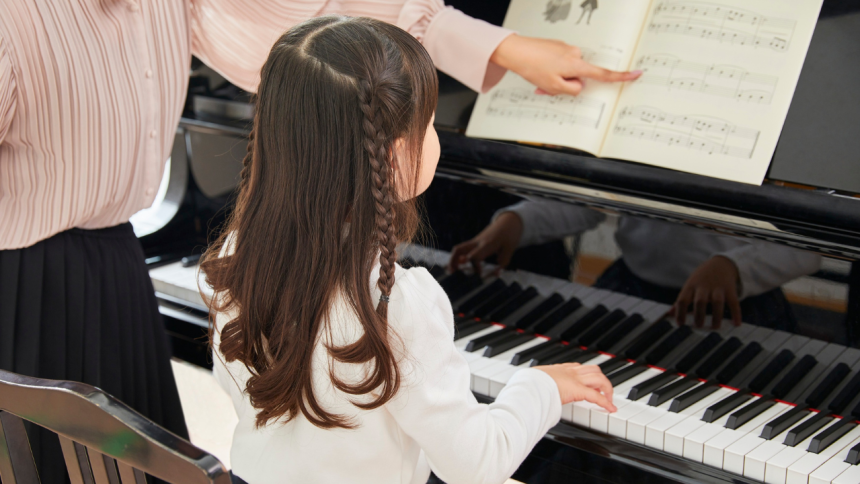
Imagine a world where your child’s brain is not only sharper, but also more resilient to stress and better equipped to handle the complexities of modern life. Sounds like a dream come true, right? But for researchers at McMaster University in Canada, this world is a reality, and it’s all thanks to the transformative power of music learning. For years, parents have been enrolling their children in music lessons, hoping to instill a lifelong love of music and a new hobby. But what they may not realize is that this simple decision can have a profound impact on their child’s brain development.
The Science Behind the Rhythm
Researchers at McMaster University conducted a study to explore the effects of music learning on the brains of young children. The study involved 37 children, aged 6-9, who received 12-30 months of music training. The results were nothing short of astonishing. The brains of these children showed significant changes in areas responsible for executive function, language development, and memory. The most striking finding, however, was the increased gray matter in the hippocampus, a region critical for learning and memory.
This is not the first study to highlight the benefits of music learning, but it’s one of the most comprehensive. The researchers believe that music learning triggers a unique sequence of brain changes that are not seen in other activities. ‘Music training has a profound impact on the developing brain,’ says Dr. Lee Bartel, a leading expert on music and cognition. ‘It’s a window of opportunity that’s not to be missed.’
The Benefits for Brain Health
The benefits of music learning are far-reaching and multifaceted. Research has shown that music can improve cognitive function in older adults, reduce stress and anxiety, and even alleviate symptoms of depression. But when it comes to young children, the impact is particularly pronounced. By stimulating the growth of new neurons and strengthening connections between brain cells, music learning can help children develop essential skills like language, math, and problem-solving.
But music learning is not just about academics; it’s also about emotional intelligence. Children who learn music are more empathetic, more patient, and more resilient to stress. They’re better equipped to navigate the ups and downs of life, and they’re more likely to develop a lifelong love of learning. ‘Music is a powerful tool for brain development,’ says Dr. Bartel. ‘It’s a way to unlock the potential of the brain and help children reach their full potential.’
The Power of Music in the Modern World
As we navigate the complexities of modern life, we’re constantly bombarded with new information, new challenges, and new stressors. But what if we could give our children a tool to better handle it all? Music learning is not just a hobby or a pastime; it’s a powerful tool for brain development, and it’s an essential part of a well-rounded education. By incorporating music learning into their daily routine, parents can give their children the gift of a sharper, more resilient brain – a gift that will last a lifetime.
The next time you’re considering enrolling your child in music lessons, remember that it’s not just about the music. It’s about the brain. It’s about the future. It’s about giving your child the tools they need to succeed in an increasingly complex world.