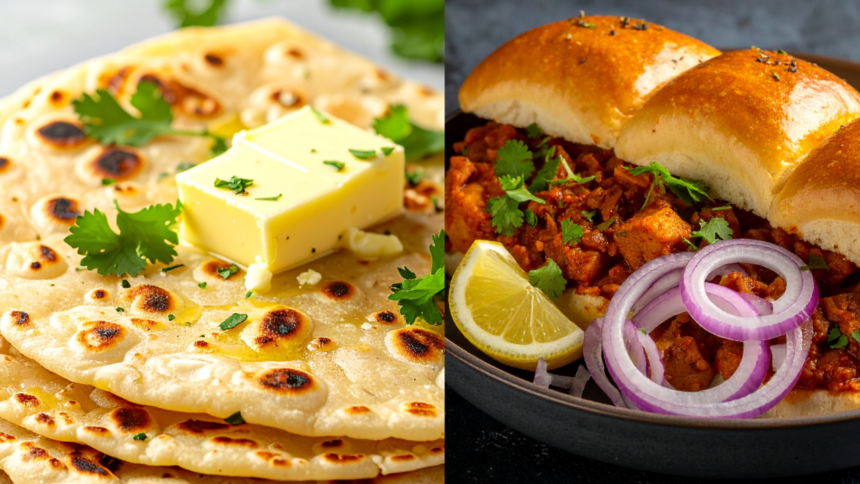
As the aroma of freshly baked naan wafts through the air, it’s hard not to crave a slice (or two) of India’s staple comfort food. While there’s no denying the allure of a warm, fluffy phulka or crispy puri, the reality is that not all Indian breads are created equal when it comes to nutrition. From whole grains to refined flours, and from steaming to deep-frying, the differences in ingredients and cooking methods can significantly impact the nutritional profile of our beloved breads. In this article, we’ll take a closer look at 11 popular Indian breads, ranking them from healthiest to least healthy, and explore the factors that influence their nutritional content.
The Healthiest of the Bunch
Starting at the top, we have the healthiest of the bunch: Bajra roti, made from pearl millet flour, and whole wheat roti. Bajra roti is a powerhouse of fibre, vitamins, and minerals, with a single serving providing up to 10% of the daily recommended intake of iron and selenium. Whole wheat roti, on the other hand, is rich in fibre and antioxidants, making it an excellent choice for those looking to manage blood sugar levels and promote digestive health. Both of these breads are steamed or baked, without any added oils or ghee, making them an excellent option for those seeking a healthy, guilt-free meal.
Other breads that made it to the top of our list include jowar roti, made from sorghum flour, and multi-grain roti, which combines the goodness of multiple whole grains. These breads are not only rich in fibre and nutrients but also lower in calories and carbohydrates compared to their refined flour counterparts.
The Middle Ground
As we move down the list, we encounter breads that, while not as nutrient-dense as the top contenders, still have their redeeming qualities. Phulka, made from whole wheat flour, is a staple in many Indian households, and for good reason. While it’s higher in calories and carbohydrates compared to its steamed counterpart, phulka is still a good source of fibre and antioxidants. Naan, on the other hand, is a popular choice for its buttery, flaky texture, but its refined flour content and deep-frying method make it a less healthy option.
Othert breads that fall into this category include chapati, made from whole wheat flour, and paratha, which combines whole wheat and refined flour. While they may not be as healthy as the top contenders, these breads are still relatively low in calories and can be part of a balanced diet when consumed in moderation.
The Least Healthy Options
Finally, we come to the least healthy of the bunch: puri, made from refined flour, and pav, which is essentially a deep-fried doughnut. While these breads may be tempting, they’re high in calories, refined carbohydrates, and unhealthy fats. A single serving of puri can provide up to 20% of the daily recommended intake of calories, making it a food to be enjoyed in moderation, if at all.
Other breads that made it to the bottom of our list include lachcha paratha, which is essentially a layered, deep-fried dough, and missi roti, made from refined flour and often deep-fried. While these breads may be delicious, they’re best enjoyed as an occasional indulgence rather than a regular part of a healthy diet.
As we conclude our ranking of India’s breads, it’s clear that not all of them are created equal when it comes to nutrition. By understanding the factors that influence the nutritional content of each bread, we can make informed choices about which ones to include in our diets and which ones to enjoy in moderation. Whether you’re a fan of whole grains or refined flours, there’s a bread out there for everyone – the key is to choose wisely and enjoy in balance.