For years, India’s real estate growth was synonymous with the country’s metro cities – Delhi, Mumbai, and Bengaluru. However, a significant shift is underway, with tier-2 and tier-3 cities emerging as hotspots for housing demand and business interest. This transformation is driven by a combination of factors that make these non-metro cities an attractive option for people looking to invest in property. With lower living costs, rising economic activity, expanding infrastructure, and stronger public investment in urban development, it’s no wonder that real estate growth is thriving in these areas.
Lower Living Costs and Higher Quality of Life
One of the primary reasons non-metro cities are gaining popularity is their lower cost of living. Compared to the metros, these cities offer a more affordable lifestyle, with lower housing costs, food prices, and transportation expenses. This makes them an attractive option for people looking to start a family or retire comfortably. Additionally, the non-metros offer a cleaner and healthier environment, with less pollution and more green spaces. As a result, people are flocking to these cities in search of a better quality of life.
Take, for example, the city of Ahmedabad in Gujarat. With a cost of living index score of 84.11, it is significantly lower than that of Delhi, which stands at 147.15. This means that Ahmedabad offers a 41% lower cost of living than Delhi, making it an attractive option for people looking to invest in property. Similarly, cities like Indore and Surat in Madhya Pradesh and Gujarat, respectively, are also gaining popularity due to their lower living costs and higher quality of life.
Rising Economic Activity and Job Opportunities
Non-metro cities are not just attractive due to their lower living costs; they are also gaining momentum due to rising economic activity and job opportunities. Cities like Lucknow in Uttar Pradesh and Jaipur in Rajasthan are witnessing a surge in IT and ITES jobs, with several major companies setting up shop in these cities. This has led to an increase in salaries and a rise in the standard of living for the people living in these cities.
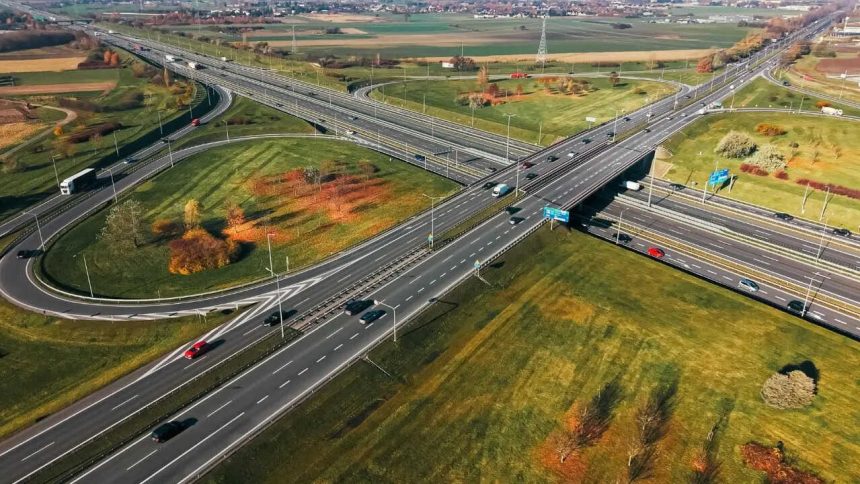
Additionally, non-metro cities are also witnessing significant investment in infrastructure development, including the construction of new roads, airports, and public transportation systems. This has made it easier for people to commute and has increased the overall quality of life in these cities. As a result, people are moving to these cities in search of better job opportunities and a higher standard of living.
Strong Public Investment and Urban Development
Another factor driving real estate growth in non-metro cities is strong public investment and urban development. Cities like Pune in Maharashtra and Coimbatore in Tamil Nadu are witnessing significant investment in urban development, including the construction of new housing projects, infrastructure development, and public transportation systems. This has led to an increase in property prices and a rise in the overall value of real estate in these cities.
Moreover, the government’s focus on promoting public-private partnerships (PPPs) is also contributing to the growth of real estate in non-metro cities. PPPs allow the government to partner with private companies to develop infrastructure projects, which has led to an increase in investment in these cities. As a result, people are moving to these cities in search of better job opportunities and a higher standard of living.
In conclusion, the real estate growth in India’s non-metro cities is driven by a combination of factors, including lower living costs, rising economic activity, expanding infrastructure, and stronger public investment in urban development. As more people move to these cities in search of a better quality of life and job opportunities, the demand for housing and commercial properties is expected to increase, leading to a surge in property prices. Therefore, investing in real estate in non-metro cities is a smart move for those looking to capitalize on the growth potential of these cities.