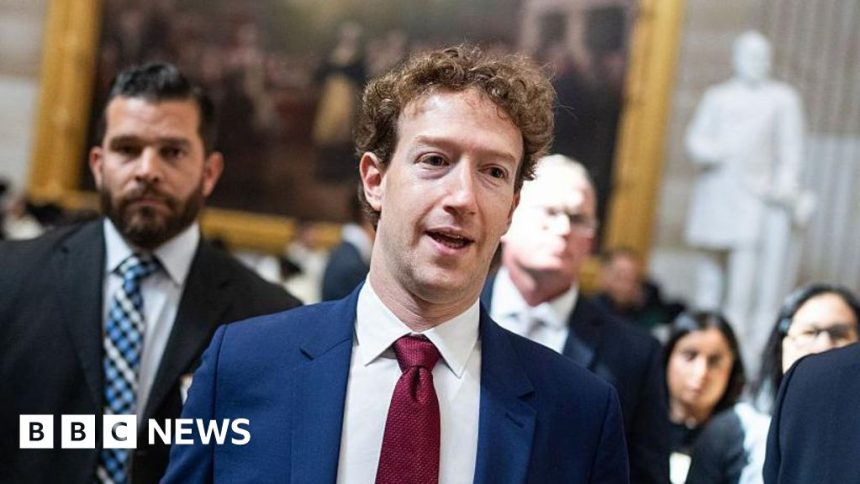
The tech hub of Silicon Valley is bracing itself for a seismic shift as a landmark court decision threatens to expose the dark underbelly of social media addiction. For years, the industry has been accused of prioritizing profits over people, with many critics arguing that the endless stream of notifications, likes, and shares is deliberately designed to be addictive. Now, with the LA court’s ruling, the spotlight is firmly on Meta and YouTube, but the implications stretch far beyond these two tech giants.
The Anatomy of Addiction
Social media platforms have long been aware of the psychological tricks they use to keep us hooked. From the infinite scroll to the carefully crafted algorithms that prioritize engagement over all else, every aspect of these platforms is designed to activate our brain’s reward system. It’s a clever tactic, but one that has serious consequences. As the trial highlights, the constant stream of information can lead to a state of continuous distraction, eroding our attention span and leaving us feeling anxious, depressed, and isolated.
But what’s even more disturbing is the way these platforms use our personal data to tailor their content, creating a personalized feedback loop that’s almost impossible to escape. It’s a vicious cycle, where our every move is tracked, analyzed, and used to feed us more of the same. The result is a culture of addiction, where we’re constantly craving the next fix, the next like, the next share. And it’s not just individuals who are suffering – the impact on society as a whole is profound, with social media addiction contributing to a decline in face-to-face communication, deepened social divisions, and a general sense of disconnection.
The Trial’s Far-Reaching Implications
The LA court’s decision has sent shockwaves through the tech industry, with many experts predicting a major overhaul of the way social media platforms operate. If Meta and YouTube are found liable for their role in perpetuating social media addiction, it could pave the way for a wave of similar lawsuits, forcing other platforms to re-examine their own practices. The potential consequences are enormous, with some predicting a complete rethink of the social media business model. No longer would platforms be able to prioritize engagement above all else; instead, they’d be forced to prioritize their users’ well-being.
The trial also raises important questions about the role of government regulation in the tech industry. For too long, social media platforms have been allowed to operate with relative impunity, with few checks on their power. But as the trial highlights, this lack of oversight has had devastating consequences. It’s time for governments to step in, to establish clear guidelines and regulations that prioritize users’ safety and well-being. The alternative is a future where social media addiction continues to spiral out of control, with disastrous consequences for individuals and society as a whole.
A New Era of Accountability
As the trial continues to unfold, one thing is clear: the era of social media addiction is coming to an end. The days of prioritizing profits over people are numbered, and a new era of accountability is dawning. It’s a shift that’s long overdue, and one that will require significant changes from the tech industry. But it’s not just about the industry – it’s about us, as individuals, taking control of our own social media use. By being more mindful of our online habits, by setting boundaries and prioritizing real-life connections, we can start to break free from the cycle of addiction.
So what does the future hold? It’s impossible to predict with certainty, but one thing is clear: the trial marks a major turning point in the history of social media. As we move forward, we can expect to see a shift towards more responsible, more sustainable, and more humane social media platforms. It’s a future where technology serves us, rather than the other way around. And it’s a future that’s long overdue.
The verdict may be out, but the real work is just beginning. As we look to the future, we must confront the darker aspects of social media and work towards a brighter, healthier future – one where technology enhances our lives, rather than controlling them. The trial is just the start of a long-overdue conversation about the impact of social media on our lives. It’s time to take back control, to reclaim our attention, and to build a healthier, more compassionate world – one where social media serves us, not the other way around.