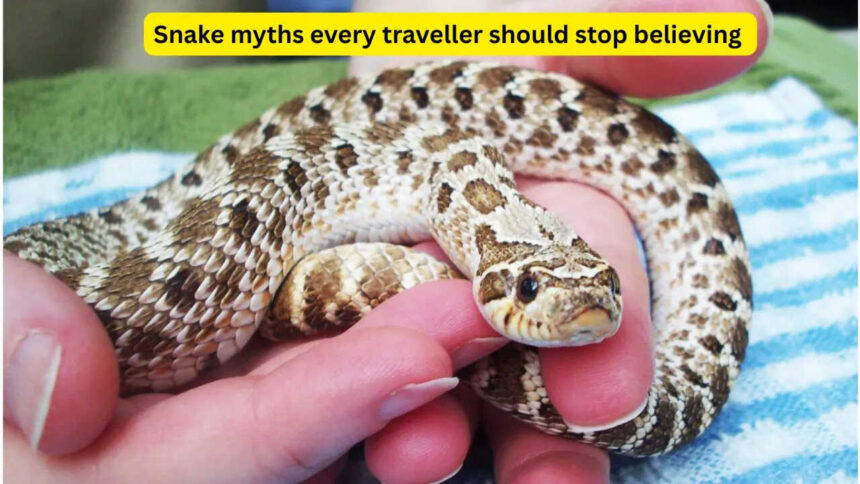
As we venture into the great outdoors, be it trekking through India’s Western Ghats, exploring the rainforests of Costa Rica, or embarking on a safari in Africa, the possibility of encountering a snake can be a daunting prospect. Movies, social media, and old folklore have created several myths that make travellers either panic unnecessarily or behave in ways that increase the risk of an accident. However, it’s essential to separate fact from fiction, especially when it comes to these often-misunderstood creatures. Snakes play a vital role in maintaining healthy ecosystems, controlling rodent populations and serving as important links in the food chain. Without them, many natural habitats would become ecologically imbalanced. So, let’s dispel some common myths and get to the truth about snakes.
Myth-Busting 101: Separating Fact from Fiction
One of the most common myths about snakes is that they are aggressive and will attack humans without provocation. However, most snakes are not aggressive and will only bite in self-defence. In fact, many species of snakes are harmless to humans and are actually beneficial to the ecosystem. Another myth is that all snakes are poisonous, which is not the case. While some species of snakes, like cobras and vipers, are venomous, many others are not. It’s also important to note that snakes are not slimy, as many people believe. Their scales are actually dry and smooth to the touch, and they are capable of regulating their body temperature, which helps them to thrive in a variety of environments.
A third myth is that snakes are attracted to noise and will seek out humans who are making loud noises. However, snakes are actually more likely to be repelled by noise and will often flee from areas with high levels of human activity. This is because snakes are ambush predators and rely on stealth and camouflage to catch their prey. By making loud noises, humans can actually scare snakes away, rather than attracting them. By understanding these myths and the realities of snake behaviour, travellers can reduce their risk of encountering a snake and enjoy their time in nature with greater peace of mind.
The Importance of Snake Conservation
Snakes play a vital role in maintaining the balance of ecosystems, and their loss could have significant consequences for the environment. By controlling rodent populations, snakes help to prevent the spread of diseases and protect crops from damage. They also serve as an important food source for other animals, such as birds, mammals, and other reptiles. In addition, snakes are an indicator species, meaning that their presence or absence can indicate the overall health of an ecosystem. By conserving snake populations and protecting their habitats, we can help to maintain the health and diversity of ecosystems around the world.
Unfortunately, many species of snakes are facing threats such as habitat destruction, hunting, and climate change. As a result, conservation efforts are necessary to protect these important animals and the ecosystems they inhabit. By supporting conservation initiatives and making environmentally conscious choices, travellers can help to make a positive impact on the environments they visit. This can include choosing eco-friendly tour operators, respecting local regulations and guidelines, and avoiding activities that harm the environment or disrupt wildlife habitats.
Staying Safe in Snake Country
While it’s essential to respect snakes and their role in the ecosystem, it’s also important to take precautions to stay safe in areas where snakes are present. This can include wearing protective clothing, such as long pants and boots, and staying on marked trails. Travellers should also avoid reaching or stepping into dark or hidden areas, such as under rocks or logs, where snakes may be hiding. By being aware of their surroundings and taking necessary precautions, travellers can minimize their risk of encountering a snake and enjoy their time in nature with greater confidence.
In the end, snakes are an integral part of the natural world, and by understanding and respecting them, we can coexist safely and appreciate the important role they play in maintaining healthy ecosystems. By dispelling common myths and taking necessary precautions, travellers can have a safe and enjoyable experience in snake country, while also contributing to the conservation of these fascinating creatures. Whether you’re a seasoned adventurer or just starting to explore the great outdoors, it’s essential to have a healthy respect for snakes and the important role they play in our world.