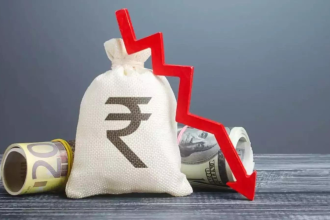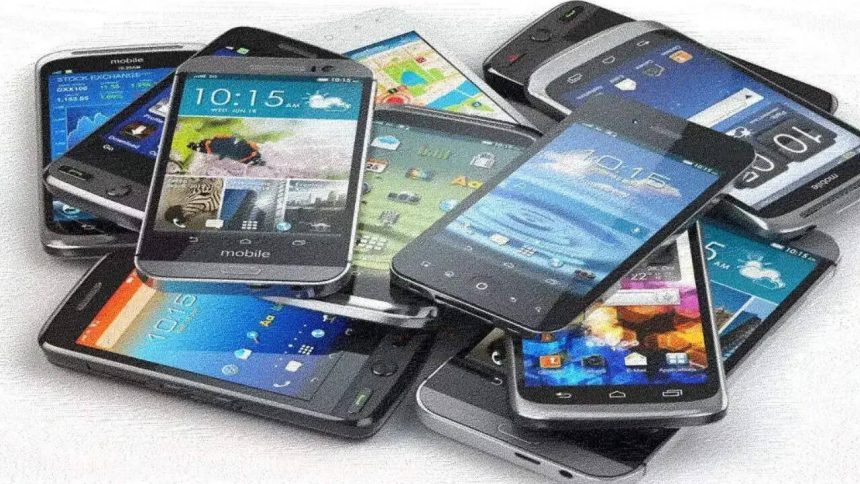
The Indian smartphone market has witnessed a seismic shift in the first quarter of 2026, with the entry-level segment experiencing a staggering 59% decline. This drastic drop is attributed to rising component costs and weakening consumer demand, leaving manufacturers and retailers scrambling to adapt to the new reality. As the market continues to evolve, it remains to be seen how industry players will respond to this unprecedented slump.
Market Dynamics
The entry-level smartphone market has traditionally been a high-volume, low-margin segment, with numerous players vying for market share. However, with increasing component costs, manufacturers are finding it challenging to maintain profitability while keeping prices competitive. This has resulted in a decrease in the number of new device launches, as companies are now focusing on higher-margin segments to mitigate losses. Furthermore, the ongoing global economic uncertainty has led to a decrease in consumer spending power, exacerbating the decline in demand for entry-level smartphones.
The impact of this decline is being felt across the entire supply chain, from component manufacturers to retailers. Many small and medium-sized retailers, who rely heavily on entry-level smartphone sales, are struggling to stay afloat. The situation is further complicated by the fact that many of these retailers have limited access to credit and are therefore unable to absorb the losses incurred due to the market downturn. As a result, there is a growing concern that the decline of the entry-level smartphone market could have far-reaching consequences for the entire industry.
Consumer Behavior
So, what is driving the decline in consumer demand for entry-level smartphones? One major factor is the increasing preference for mid-range and premium devices. As consumers become more discerning, they are willing to pay a premium for devices that offer better performance, camera quality, and design. This shift in consumer behavior is being driven by the growing awareness of the importance of smartphone quality and the increasing availability of affordable financing options. Additionally, the rise of online marketplaces has made it easier for consumers to research and compare devices, leading to a more informed and savvy consumer base.
Another factor contributing to the decline of the entry-level market is the growing trend of device reuse and recycling. As consumers become more environmentally conscious, they are opting to extend the life of their existing devices rather than upgrading to new ones. This trend is being driven by the increasing awareness of the environmental impact of electronic waste and the growing availability of device repair and recycling services. As a result, the traditional model of frequent device upgrades is being disrupted, leading to a decrease in demand for new entry-level smartphones.
Future Outlook
So, what does the future hold for the entry-level smartphone market? While the current situation appears bleak, there are opportunities for innovation and growth. Manufacturers can focus on developing devices that offer better value propositions, such as improved performance, camera quality, and design, at affordable price points. Additionally, the growing trend of device reuse and recycling presents an opportunity for companies to develop innovative repair and recycling services that can help extend the life of existing devices.
As the market continues to evolve, it is likely that we will see a consolidation of players, with only the most innovative and agile companies surviving. The decline of the entry-level smartphone market may be a blessing in disguise, as it forces manufacturers to rethink their strategies and focus on developing devices that meet the changing needs of consumers. Ultimately, the future of the smartphone industry will be shaped by the ability of companies to adapt to changing market dynamics and consumer behavior, and to innovate in the face of adversity.