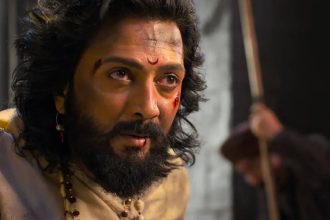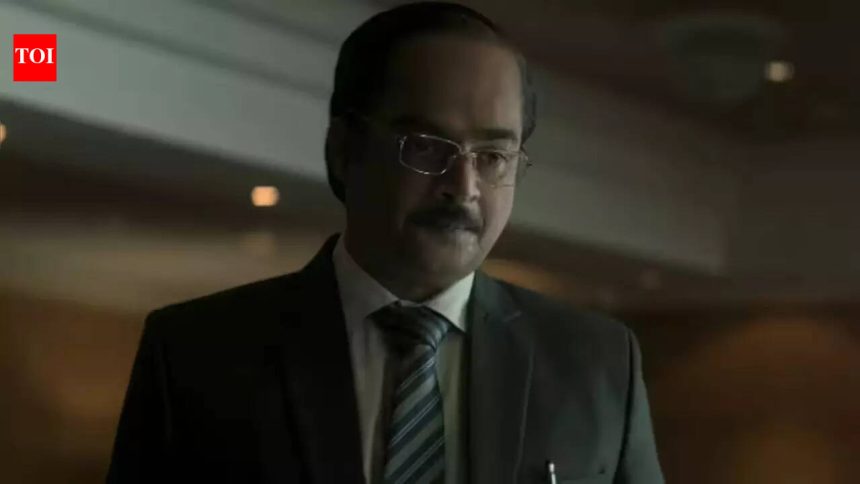
The world of cinema is no stranger to controversy, and the latest storm to hit the headlines involves ‘Dhurandhar 2’, a film that has found itself at the center of a maelstrom following a scene that has been deemed offensive by some. At the heart of the issue is a particular sequence featuring R Madhavan and Ranveer Singh, which has sparked outrage among the Sikh community, culminating in an FIR being filed against the film. As the situation continues to unfold, one thing is clear: the debate over artistic freedom and cultural sensitivity has never been more pertinent.
Understanding the Backlash
The backlash against ‘Dhurandhar 2’ is a complex issue, with many in the Sikh community expressing their deep-seated hurt and offense over the film’s perceived disrespect towards their faith. The scene in question, which appears to show R Madhavan’s character smoking a cigarette in a place of worship, has been viewed as a thoughtless and insensitive portrayal of the Sikh religion. For many, this is not just a matter of artistic license, but a fundamental issue of respect and understanding. As the community grapples with the fallout, it’s clear that the film’s makers have underestimated the depth of feeling that this scene would evoke.
At the same time, R Madhavan has moved swiftly to clarify his position, stating that he had extinguished the cigarette before entering the place of worship. While this may have been his intention, the fact remains that the scene has caused widespread offense, and the damage has already been done. As the film’s team navigates this treacherous landscape, they must confront the reality that their creative vision has been perceived as disrespectful and hurtful to many.
Navigating the Fine Line
The ‘Dhurandhar 2’ controversy highlights the delicate balance that filmmakers must strike when tackling sensitive subjects. On the one hand, artistic freedom is a fundamental right that allows creators to express themselves without fear of censorship or retribution. On the other hand, this freedom must be tempered with a deep respect for the cultures, traditions, and beliefs that are being portrayed on screen. As the film industry continues to evolve and push boundaries, it’s essential that makers are mindful of the impact that their work can have on different communities. This is not about censorship, but about being thoughtful and considerate in the creative process.
The implications of this controversy extend far beyond the film itself, speaking to broader questions about representation, diversity, and inclusion in the entertainment industry. As audiences become increasingly diverse and sophisticated, filmmakers must be willing to engage with these issues in a meaningful way, rather than simply paying lip service to them. This requires a fundamental shift in mindset, one that prioritizes empathy, understanding, and respect for the cultures and communities being portrayed.
A Way Forward
So what does the future hold for ‘Dhurandhar 2’, and for the film industry as a whole? As the controversy continues to simmer, it’s clear that the road ahead will be challenging. For R Madhavan and the film’s makers, the priority must be to listen to the concerns of the Sikh community and to engage in a constructive dialogue about the issues that have been raised. This is an opportunity for growth and learning, rather than simply a crisis to be managed. By embracing this moment of reckoning, the film industry can emerge stronger, more resilient, and more attuned to the needs and sensitivities of its diverse audiences.
As we move forward, it’s essential that we prioritize empathy, understanding, and respect in the creative process. This is not about compromising artistic vision, but about being thoughtful and considerate in the way that we portray different cultures and communities. By doing so, we can create a more inclusive, more diverse, and more vibrant film industry that truly reflects the world we live in. The ‘Dhurandhar 2’ controversy may have sparked a firestorm, but it also presents a chance for the film industry to rise from the ashes, wiser and more compassionate than before.
The real test of the film industry’s commitment to diversity and inclusion will come in the months and years ahead. Will we see a genuine shift towards more thoughtful and considerate storytelling, or will this controversy be relegated to the footnotes of history? Only time will tell, but one thing is certain: the conversation has started, and it’s not going away anytime soon. As we look to the future, it’s clear that the film industry has a unique opportunity to redefine its relationship with the communities it serves, and to create a more just, equitable, and compassionate world, one frame at a time.