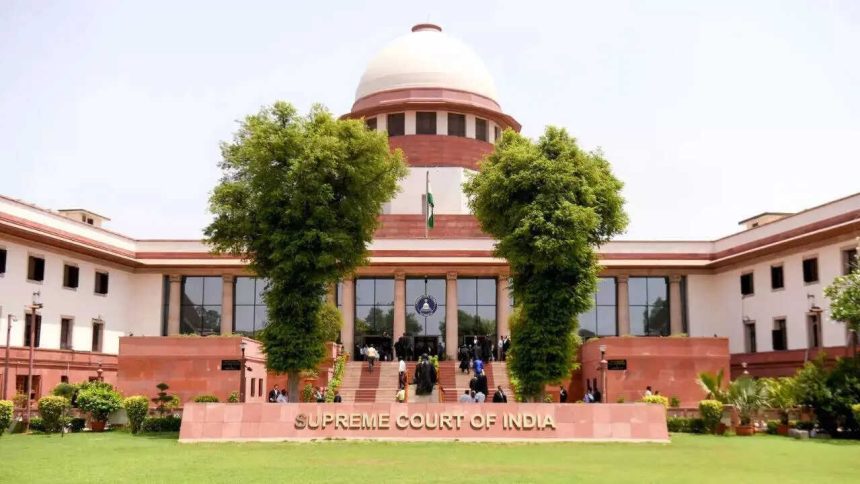
The Supreme Court of India has issued a landmark ruling that emphasizes the power of lawmakers in driving religious reforms, paving the way for the people to have a stronger voice in shaping the nation’s spiritual landscape. A nine-judge bench, led by Chief Justice Surya Kant, has cautioned constitutional courts against making any changes to religious practices, effectively putting the onus on lawmakers to effect meaningful reforms.
Lawmakers Must Rise to the Challenge
The ruling has significant implications for the way India’s laws and policies are framed, particularly in relation to religious practices. The court has made it clear that constitutional courts will no longer be the sole arbiters of change, and that lawmakers must take the reins in addressing the grievances of various religious communities. This shift in approach is expected to lead to more inclusive and representative policies that cater to the diverse needs of the nation’s citizens.
The court’s decision has been welcomed by many who have been calling for greater accountability in the way religious practices are governed. Activists and social workers argue that this ruling provides an opportunity for lawmakers to engage with the grassroots and understand the nuances of different religious practices. They also see it as a chance for the government to address long-standing issues, such as the treatment of minority communities and the enforcement of personal laws.
A New Era for Religious Reforms?
The ruling has also sparked debate about the potential for greater citizen participation in shaping the country’s laws and policies. Many are hailing it as a major victory for the people, who will now have a greater say in how their religious practices are governed. Others, however, are cautioning that this may lead to a more complex and contentious process, with different groups vying for influence.
As the nation grapples with the implications of this ruling, one thing is clear: the people of India will have a greater voice in shaping the country’s spiritual landscape. Whether this leads to meaningful reforms or increased polarization remains to be seen, but one thing is certain – the stage is set for a new era of citizen-driven change.
A Call to Action for Lawmakers
The court’s ruling has sent a clear message to lawmakers: it is time to rise to the challenge and engage with the people. Lawmakers must now work to create policies that are inclusive, representative, and responsive to the needs of different religious communities. This will require a fundamental shift in the way they approach lawmaking, with a greater emphasis on consultation, dialogue, and collaboration.
As the nation moves forward, it is essential that lawmakers remember that they are accountable to the people. They must be willing to listen, to learn, and to adapt to the changing needs of the nation’s citizens. By doing so, they can ensure that the people’s will is truly reflected in the laws and policies that govern the country.
The Supreme Court’s ruling has opened the door for people-powered religious reforms. It is now up to lawmakers to seize this opportunity and create a more just, equitable, and inclusive society for all.