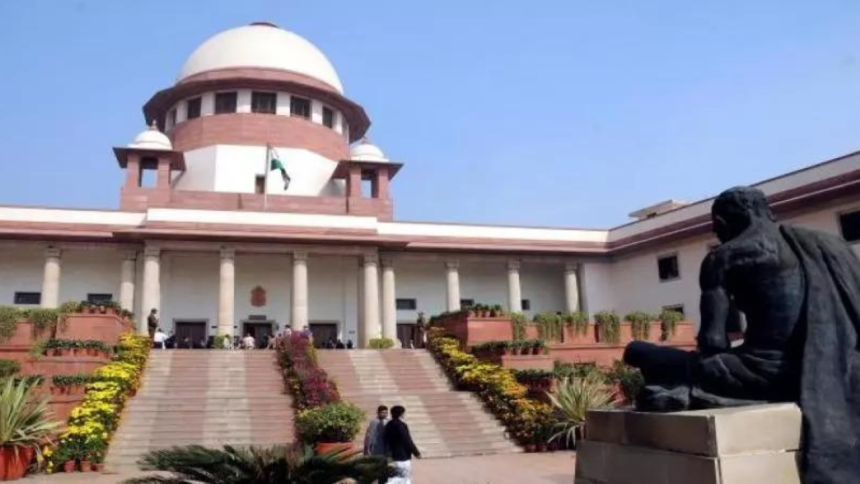
The Indian Supreme Court has made a landmark ruling on the 70-year-old Immoral Traffic Prevention Act (ITPA), shedding light on the legislation’s true intent and sparking a national debate on the morality and justice of commercialising prostitution. The court’s exhaustive analysis has revealed that the principal objective of the ITPA is neither to abolish prostitution nor to make it a criminal offence, but to prevent its commercialisation. This ruling has significant implications for the lives of sex workers and the entire sex industry, raising important questions about the role of the state in regulating their rights and freedoms.
What Does the Ruling Mean for Sex Workers?
The Supreme Court’s ruling highlights the need for a nuanced understanding of the complexities surrounding prostitution. Sex workers, who have long been stigmatised and marginalised, are now being recognised as individuals with rights and dignity. The court’s emphasis on preventing the commercialisation of prostitution suggests that the state’s primary concern is not to eradicate the practice altogether, but to ensure that it is not exploited for profit. This approach acknowledges the agency and autonomy of sex workers, who are often forced to operate in the shadows, without access to basic rights and protections.
The court’s ruling has significant implications for the lives of sex workers, who will now be entitled to greater protections and rights under the law. However, it also raises important questions about the role of the state in regulating the sex industry. Should the government be responsible for licensing and regulating brothels, or should it focus on providing support and services to sex workers? These are complex questions that will require careful consideration and debate.
The Historical Context of the ITPA
The Immoral Traffic Prevention Act was enacted in 1956, with the primary objective of preventing the commercialisation of prostitution. However, the Act has been subject to numerous amendments and interpretations over the years, leading to confusion and contradiction. The court’s ruling has finally clarified the Act’s true intent, highlighting the need for a more nuanced understanding of the complexities surrounding prostitution.
The court’s analysis of the ITPA is a testament to the country’s rich history and cultural heritage. The Act was enacted during a time of great social change, when the country was grappling with the legacy of colonialism and the rise of urbanisation. The court’s ruling acknowledges the complexities and contradictions of this historical context, highlighting the need for a more informed and empathetic approach to understanding the sex industry.
What’s Next for the Sex Industry?
The Supreme Court’s ruling has significant implications for the sex industry, which is likely to undergo significant changes in the coming months. The government will now need to consider the court’s recommendations, which include licensing and regulating brothels, as well as providing support and services to sex workers. This will require careful consideration and debate, involving stakeholders from across the sex industry, including sex workers, brothel owners, and government officials.
The Supreme Court’s ruling has sparked a national debate on the morality and justice of commercialising prostitution. As the country grapples with the complexities of this issue, it is essential to remember the dignity and agency of sex workers, who are at the heart of this debate. The court’s ruling has provided a vital opportunity for the country to re-examine its approach to the sex industry, and to work towards a more just and equitable society for all.