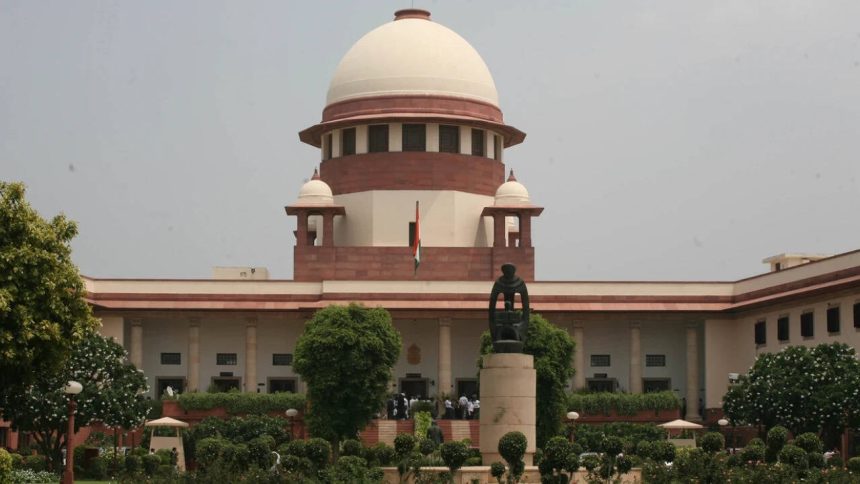
The Supreme Court has delivered a significant blow to the National Commission for Scheduled Castes (NCSC), the country’s premier body tasked with protecting the rights of the Scheduled Castes. In a landmark judgment, the apex court has ruled that the NCSC does not have the authority to pass adjudicatory orders, effectively limiting its powers to that of a recommendatory and advisory body. This ruling has far-reaching implications for the millions of Scheduled Castes who rely on the NCSC for justice and protection.
Background and Rationale Behind the Ruling
The NCSC was established in 2004 to investigate complaints of atrocities against the Scheduled Castes and to recommend measures for their redressal. Over the years, the commission has been empowered to investigate complaints, conduct inquiries, and recommend compensation to victims of atrocities. However, the Supreme Court’s ruling has now clarified that the NCSC’s recommendations are not binding on the state governments, and that they have no authority to pass adjudicatory orders. The court has ruled that the NCSC’s role is limited to providing recommendations and advisory opinions, which can be accepted or rejected by the state governments at their discretion.
The rationale behind the ruling is that the NCSC’s powers are derived from the Constitution and the Scheduled Castes and Scheduled Tribes (Prevention of Atrocities) Act, 1989. The court has held that the NCSC’s role is to provide a platform for the Scheduled Castes to air their grievances and to facilitate dialogue between the communities. However, the court has also held that the NCSC’s recommendations are not a substitute for the legal process, and that the state governments have the final say in matters related to the implementation of the law.
Implications of the Ruling
The implications of the ruling are far-reaching, and it is likely to impact the lives of millions of Scheduled Castes who rely on the NCSC for justice and protection. The ruling has effectively limited the NCSC’s powers to that of a recommendatory and advisory body, which means that the state governments will have the final say in matters related to the Scheduled Castes. This has raised concerns among civil society organizations and human rights activists, who have argued that the ruling will undermine the rights of the Scheduled Castes and create a power vacuum in the commission.
The ruling has also raised questions about the role of the NCSC in the governance of the Scheduled Castes. If the NCSC’s powers are limited to that of a recommendatory and advisory body, what is the purpose of the commission? Will it continue to function as a platform for the Scheduled Castes to air their grievances, or will it be relegated to a mere advisory body with no teeth? The answers to these questions will only emerge in the coming weeks and months as the implications of the ruling become clearer.
Way Forward
The way forward is uncertain, and it will require a concerted effort from the government, civil society organizations, and human rights activists to ensure that the rights of the Scheduled Castes are protected. The government will need to revisit the laws and policies related to the Scheduled Castes and ensure that they are in line with the Supreme Court’s ruling. Civil society organizations and human rights activists will need to continue to push for meaningful reforms and to hold the government accountable for its actions. The NCSC will need to adapt to its new role and to find ways to continue to serve the Scheduled Castes despite the limitations imposed by the Supreme Court’s ruling.
As the dust settles on the Supreme Court’s ruling, one thing is clear: the National Commission for Scheduled Castes has been dealt a significant blow, and its future is uncertain. However, this is also an opportunity for the government and civil society to come together and to find ways to strengthen the commission and to protect the rights of the Scheduled Castes. The Supreme Court’s ruling has laid bare the limitations of the NCSC’s powers, but it has also highlighted the need for meaningful reforms and for a more effective system of governance for the Scheduled Castes.