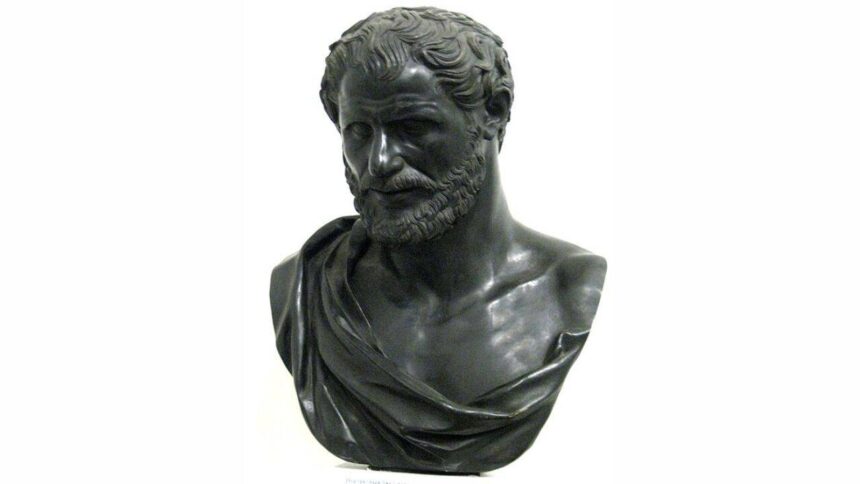
The age-old adage ‘good people don’t do bad things’ masks a profound paradox at the heart of human nature. While we often associate goodness with virtuous actions, the truth is more complex. This nuance is reflected in the words of Democritus, an ancient Greek philosopher who observed, ‘Good means not merely not to do wrong, but rather.’ He was highlighting the distinction between behavior and character, a distinction that remains just as relevant today.
What We Do vs. Who We Are
On the surface, it’s easy to assume that behaving well is the same as being good. We may think that as long as we don’t lie, cheat, or steal, we are essentially good people. However, this simplistic view overlooks the fact that our behavior can be influenced by a multitude of factors, including environment, upbringing, and social pressures. A person may refrain from wrongdoing due to fear of consequences, a desire to maintain a good reputation, or even a lack of courage. In these cases, their actions may be driven by self-interest rather than a genuine desire to do good.
Consider a scenario where an individual witnesses a crime taking place but chooses not to intervene. They may claim to be a good person because they didn’t participate in the crime, but Democritus would argue that their true character remains untested. Are they good because they chose not to act, or are they simply avoiding taking responsibility for their actions? This dichotomy highlights the importance of distinguishing between behavior and character, a distinction that requires a deeper understanding of our motivations and values.
The Role of Intention and Motivation
So, what drives us to act with goodness? Is it simply a matter of avoiding wrongdoing, or is it something more profound? Research in psychology and philosophy suggests that our intentions and motivations play a crucial role in shaping our character. When we act with a genuine desire to do good, our actions are infused with a sense of purpose and meaning. We may choose to help others not just because it’s expected of us, but because we genuinely care about their well-being. This distinction is critical, as it speaks to the heart of what it means to be a good person.
Take, for example, a person who chooses to volunteer their time at a local charity. On the surface, their actions may appear virtuous, but what drives them to do so? Are they seeking to boost their self-esteem, or is their motivation rooted in a genuine desire to make a positive impact? The answer to this question reveals a great deal about their character, and whether their actions are truly driven by a desire to do good.
The Pursuit of Authenticity
The ancient idea that real goodness is about what we want, not just what we do, speaks to the pursuit of authenticity. In a world where social norms and expectations can often dictate our behavior, it’s easy to get caught up in the idea that we must conform to certain standards in order to be considered good. However, this approach can lead to a shallow understanding of character, one that is driven more by external pressures than internal values.
Democritus’ words challenge us to look beyond our actions and examine our motivations. What drives us to act with goodness? What values do we hold dear? By exploring these questions, we can begin to understand the complex interplay between behavior and character, and develop a deeper appreciation for what it truly means to be a good person.
As we navigate the complexities of human nature, it’s essential to remember that goodness is not simply a matter of behavior, but a reflection of our character. By examining our motivations and values, we can cultivate a deeper understanding of what it means to be good, and strive to become the people we aspire to be.