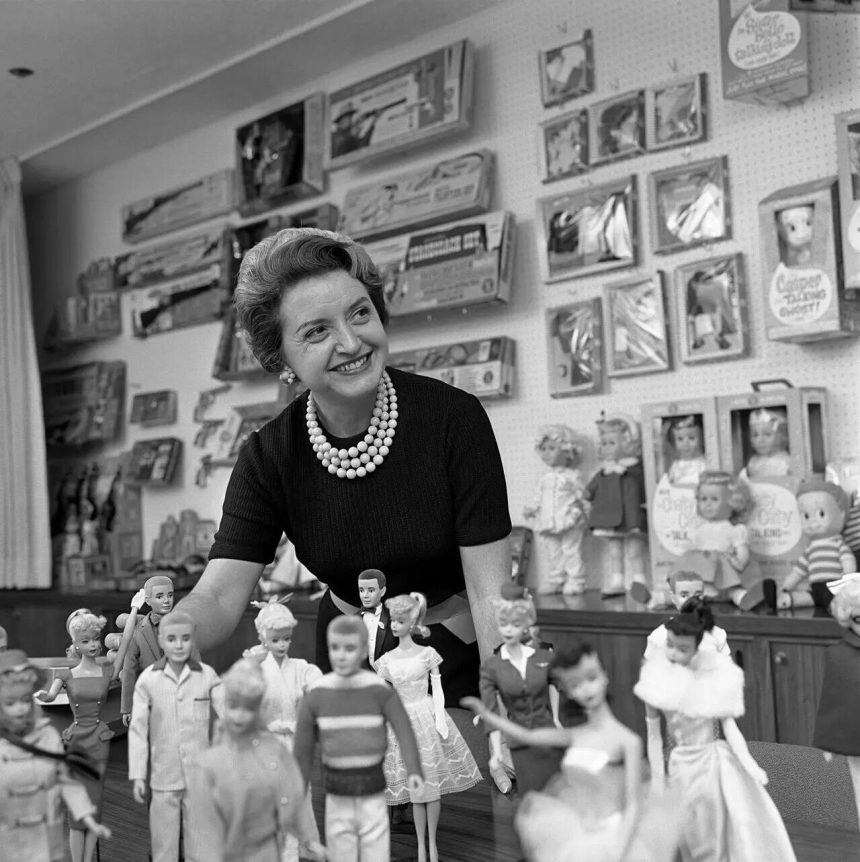
The creation of Barbie in 1959 marked a pivotal moment in the history of the toy industry, but it was Ruth Handler’s observation of her daughter’s play habits that sparked the idea behind this iconic doll. Born in 1916, Handler was no stranger to the toy industry, having founded Mattel with her husband Elliot Handler in 1945. However, it was her daughter’s fascination with paper dolls that led her to realize the potential for a more comprehensive and empowering play experience for young girls. The paper dolls, with their simplistic and restrictive roles, seemed to be limiting the imaginative possibilities for her daughter, and Handler saw an opportunity to create something that would not only be a more engaging play experience but also one that would promote independence and self-expression.
A Doll for the Modern Girl
Ruth Handler’s vision for Barbie was not just a simple doll, but a representation of a modern and independent woman. She drew inspiration from her daughter’s love of paper dolls, but also from her own experiences as a woman navigating the male-dominated toy industry. Handler wanted to create a doll that was not only visually appealing but also one that would reflect the aspirations and ambitions of young girls. The first Barbie, named after Handler’s daughter Barbara, was launched at the American International Toy Fair in New York City in 1959. With its sleek and fashionable design, Barbie quickly became a sensation, captivating the imaginations of girls around the world. The doll’s impact extended beyond the toy industry, influencing societal views of women and their roles in society.
The introduction of Barbie was also significant in the way it allowed girls to engage in imaginative play that was previously unimaginable. With Barbie, girls could not only play out traditional motherhood roles but also experiment with various careers, such as doctor, teacher, and astronaut. This was a departure from the traditional paper dolls, which often reinforced restrictive roles for women. Handler’s creation of Barbie marked a turning point in the way girls were encouraged to think about their futures and the possibilities that lay ahead. The doll’s impact was not limited to the toy industry, but also had far-reaching implications for cultural attitudes towards women.
Breaking Down Barriers and Stereotypes
The impact of Barbie on societal views of women was multifaceted. The doll’s introduction challenged traditional notions of femininity and the roles that women were expected to play in society. By offering a range of careers and professions, Barbie encouraged girls to think beyond the traditional roles of motherhood and domesticity. This was particularly significant in the 1950s and 1960s, when women’s roles in society were increasingly defined by their domestic responsibilities. The doll’s influence extended beyond the toy industry, influencing cultural attitudes towards women and their potential. As a cultural icon, Barbie has been subject to criticism and controversy over the years, with some arguing that the doll perpetuates unrealistic beauty standards and others claiming that it limits girls’ aspirations to traditional and narrow roles. However, Handler’s creation of Barbie was always intended to be a reflection of the changing times and the aspirations of young girls.
The legacy of Ruth Handler and her creation of Barbie continues to be felt today. The doll has undergone numerous transformations over the years, with the introduction of new careers, ethnicities, and body types. The impact of Barbie on societal views of women has been profound, challenging traditional notions of femininity and encouraging girls to think beyond the boundaries of what was once considered acceptable. As a cultural icon, Barbie continues to inspire debate and discussion, with some arguing that the doll is a symbol of empowerment and others claiming that it perpetuates negative stereotypes and beauty standards. Regardless of the controversy, one thing is clear: Ruth Handler’s creation of Barbie marked a turning point in the history of the toy industry and had far-reaching implications for cultural attitudes towards women.
A Lasting Legacy
Ruth Handler’s legacy extends beyond the creation of Barbie, as she paved the way for future generations of women in the toy industry. Handler’s determination and resilience in the face of adversity are an inspiration to women everywhere, and her creation of Barbie will always be remembered as a testament to her innovative spirit and her commitment to empowering young girls. The impact of Barbie on societal views of women will continue to be felt for generations to come, and Handler’s legacy will remain a lasting reminder of the power of imagination and creativity in shaping our understanding of the world and our place in it.
Today, Barbie remains one of the most recognizable and beloved toys in the world, with sales of over a billion dolls worldwide. The doll has undergone numerous transformations over the years, with the introduction of new careers, ethnicities, and body types. However, at its core, Barbie remains the same doll that Handler created over 60 years ago, a symbol of independence, self-expression, and the limitless possibilities of the imagination.
The story of Ruth Handler and her creation of Barbie is a testament to the power of imagination and creativity in shaping our understanding of the world and our place in it. It is a reminder that even the most seemingly simple ideas can have profound and lasting impacts on society. As we look to the future, we would do well to remember the legacy of Ruth Handler and the impact of Barbie on societal views of women.