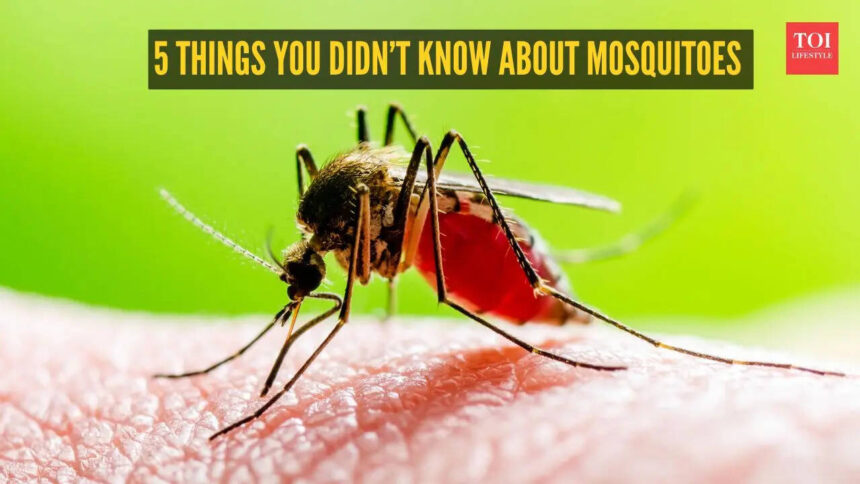
Mosquitoes have been a thorn in the side of humans for centuries, and yet, despite their ubiquity, they remain shrouded in mystery. Every summer and monsoon, we arm ourselves with an arsenal of repellents, plug in mosquito machines, and engage in a never-ending battle to swat them away. But beyond their annoying buzz and itchy bites, mosquitoes hold many secrets that are still unknown to most people. For instance, only female mosquitoes bite humans, and some people seem to attract them more than others. They have been buzzing around the planet since the age of dinosaurs, and their persistence is a testament to their remarkable adaptability.
Mosquito Mysteries
One of the most fascinating aspects of mosquitoes is their unique life cycle. Mosquitoes go through four distinct stages of development: egg, larva, pupa, and adult. The female mosquito lays her eggs in standing water, which hatch into larvae within 48 hours. The larvae then feed on organic matter and grow, eventually transforming into pupae. After a few days, the adult mosquito emerges, ready to begin the cycle again. This complex life cycle is a key factor in the mosquito’s ability to thrive in a wide range of environments.
Another intriguing aspect of mosquitoes is their ability to detect humans. Mosquitoes use a combination of visual and olfactory cues to locate their hosts. They are attracted to the carbon dioxide we exhale, as well as the lactic acid and other compounds present in our sweat. Some people seem to attract mosquitoes more than others, and research suggests that this may be due to differences in their body chemistry. For example, people with higher concentrations of cholesterol and other lipids in their skin may be more attractive to mosquitoes.
The Science of Attraction
So, why do some people attract mosquitoes more than others? The answer lies in the complex interplay of chemicals and cues that mosquitoes use to locate their hosts. As mentioned earlier, mosquitoes are attracted to the carbon dioxide we exhale, as well as the lactic acid and other compounds present in our sweat. However, they also use visual cues, such as movement and color, to locate their hosts. People who are more active, or who wear darker clothing, may be more visible to mosquitoes and therefore more attractive to them.
Additionally, research has shown that mosquitoes are able to detect the unique chemical signature of each individual. This signature is influenced by a variety of factors, including diet, genetics, and environmental factors. For example, people who consume a diet rich in garlic and other pungent foods may be less attractive to mosquitoes, as these compounds can alter the chemical signature of their skin. On the other hand, people who are stressed or anxious may be more attractive to mosquitoes, as these emotional states can alter the chemical composition of their sweat.
Living with Mosquitoes
So, what can we do to coexist with these ancient pests? The first step is to understand their habits and habitats. Mosquitoes thrive in areas with standing water, so eliminating these breeding sites is crucial. This can be as simple as emptying standing water from flowerpots and pet water dishes, or as complex as implementing large-scale drainage projects. Additionally, using mosquito repellents and wearing protective clothing can help to reduce the risk of bites.
Ultimately, the key to living with mosquitoes is to adopt a multifaceted approach that takes into account their complex life cycle, their ability to detect humans, and their unique chemical signature. By understanding these factors, we can develop more effective strategies for preventing mosquito bites and reducing the risk of mosquito-borne diseases. And who knows, we may even learn to appreciate these fascinating creatures, even if they do drive us crazy with their buzzing and biting.