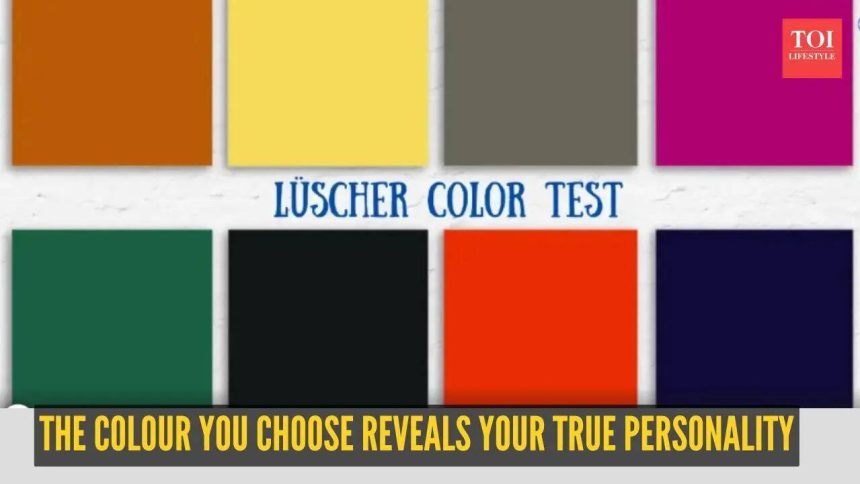
Colour is more than just a visual choice, it can be a window into our minds, exposing our deepest needs, desires, and coping mechanisms. The Lüscher Colour Test, developed by Swiss psychologist Dr Max Lüscher in the 1940s, has been helping people gain a deeper understanding of themselves by analysing their spontaneous colour preferences. But what does it reveal about us, and how can we use it to better understand our own personalities?
The Grounded and the Dreamers
Those who gravitate towards earthy tones such as brown, green, and beige are often seen as grounded individuals, with a strong connection to the natural world. They’re the types of people who appreciate simplicity and value stability, often prioritising functionality over aesthetics. On the other hand, dreamers who are drawn to vibrant hues like pink, orange, and purple are often creative and imaginative, with a strong sense of idealism. They’re the free spirits who see the world as a canvas, waiting to be painted with colour and vibrancy.
But it’s not just about the colours themselves; it’s also about how we use them in our lives. For example, a person who uses brown and beige in their home decor might be trying to create a sense of calm and stability, while someone who surrounds themselves with bright colours might be trying to stimulate their creativity and imagination.
The Rebels and the Sensitives
Rebels who are drawn to bold and edgy colours like black, red, and silver are often seen as confident and assertive individuals, who aren’t afraid to take risks and push boundaries. They’re the types of people who value individuality and nonconformity, often challenging the status quo and questioning authority. On the other hand, sensitives who are drawn to softer colours like blue, lavender, and pale pink are often empathetic and compassionate individuals, with a strong sense of intuition and emotional intelligence. They’re the types of people who care deeply about others and value harmony and cooperation.
But it’s not just about the colours we choose; it’s also about how we react to different hues. For example, someone who is drawn to red might be drawn to its energy and passion, while someone who is sensitive to red might find it overwhelming and stressful.
The Controlling and the Chilled Out
Those who are drawn to cool colours like blue, green, and purple are often seen as calm and relaxed individuals, who value balance and harmony in their lives. They’re the types of people who prefer to take a step back and observe before acting, often prioritising logic and reason over emotion. On the other hand, those who are drawn to warm colours like orange, yellow, and red are often seen as passionate and energetic individuals, who value excitement and adventure. They’re the types of people who live life to the fullest and aren’t afraid to take risks.
But what does it all mean? The Lüscher Colour Test is not a definitive or scientific tool, but rather a fun and engaging way to gain insight into our personalities and preferences. By understanding our colour choices, we can gain a deeper understanding of ourselves and how we interact with the world around us. So next time you’re choosing a colour, remember that it’s not just about aesthetics – it’s about who you are and what you value.