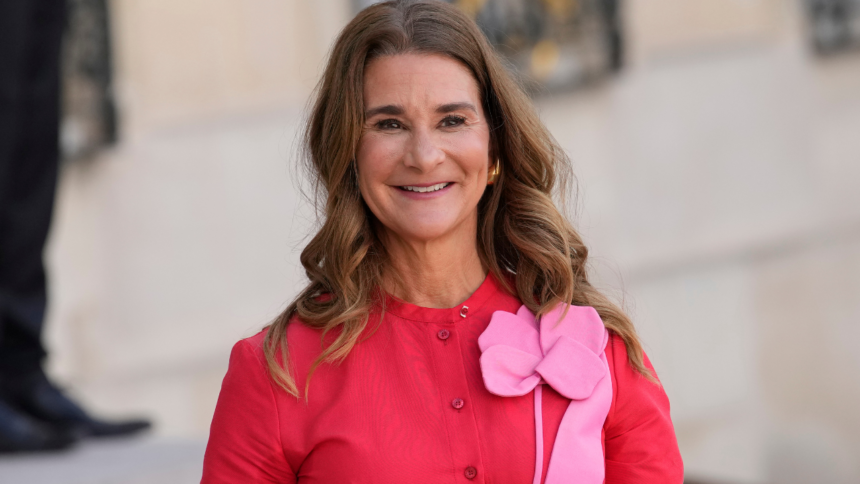
Women around the world are speaking out against the pervasive and devastating impact of shame on their lives. Melinda French Gates, co-chair of the Bill and Melinda Gates Foundation, recently highlighted the insidious tactic used to silence women: shaming them for their sexuality. This standard practice is a potent tool for maintaining the status quo, suppressing dissent, and perpetuating inequality. Shame is one of the oldest tools for keeping people quiet, making someone feel embarrassed enough about who they are, and you can often stop them from speaking up or standing their ground.
The Long Shadow of Shame
The effects of shame on women are far-reaching and multifaceted. From reproductive health to education, employment, and even personal relationships, shame can undermine a woman’s confidence, self-worth, and resilience. In many cultures, women are socialized to prioritize others’ opinions over their own needs and desires, making them more vulnerable to shame and self-doubt. This can lead to feelings of isolation, self-blame, and even self-loathing, ultimately silencing their voices and stifling their potential.
For example, a woman who experiences an unintended pregnancy may be shamed for her perceived failure to control her body, rather than receiving support and resources to make informed choices about her reproductive health. Similarly, a woman who speaks out against harassment or abuse may be shamed for ‘being too sensitive’ or ‘making a scene,’ rather than being believed and protected. By shaming women for their sexuality, we perpetuate a culture of silence, where women are less likely to seek help, speak out, or assert their rights.
Breaking Free from Shame
So, how can we break free from the suffocating grip of shame and create a more inclusive and supportive society? The first step is to acknowledge the pervasive and systemic nature of shame, particularly as it affects women. We must recognize that shame is not a personal failing, but a cultural construct that perpetuates inequality and suppresses marginalized voices. By listening to and amplifying women’s stories, we can begin to dismantle the shame that has been imposed upon them.
Education and awareness are key to creating a shame-free culture. We must educate ourselves and others about the impact of shame on women’s lives, and work to create inclusive spaces where women feel safe to speak out and be themselves. This requires a fundamental shift in how we perceive and value women’s bodies, desires, and contributions. By embracing diversity, promoting empathy, and challenging shame-based narratives, we can create a more just and equitable society where women’s voices are heard, respected, and valued.
Empowering Women, Empowering Humanity
The empowerment of women is not just a moral imperative; it is a critical step towards creating a more just and equitable world. When women are free from shame and empowered to speak out, they are more likely to assert their rights, challenge inequality, and drive positive change. By breaking free from the shackles of shame, we can unlock the full potential of women and girls, fostering a more compassionate, inclusive, and sustainable world for all.
As we strive to create a world where women’s voices are heard and valued, we must acknowledge the dark power of shame and its pervasive impact on women’s lives. By working together to break free from shame and create a more inclusive culture, we can empower women, empower humanity, and create a brighter, more just future for all.