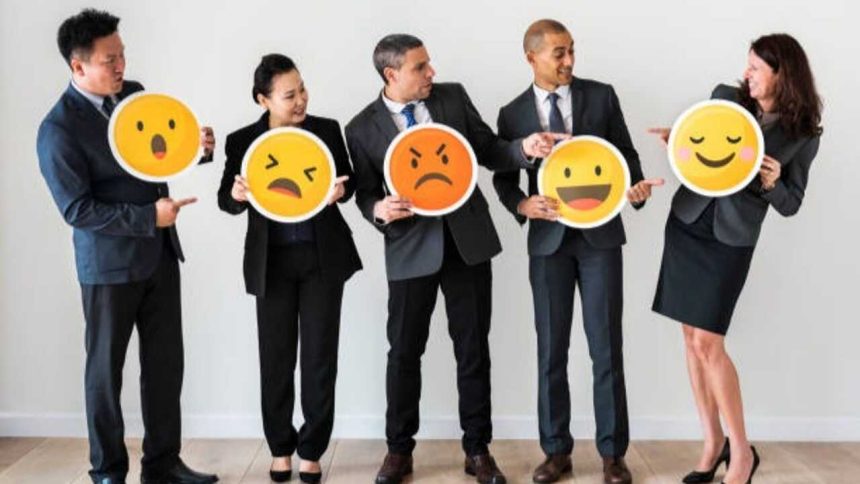
In today’s digital age, emojis have become an integral part of our online communication. They add a touch of personality to our messages, convey emotions, and even help break the ice in professional settings. However, with the rise of emojis, there’s a growing concern that these small characters can sometimes lead to misunderstandings in office emails and team chats. A manager’s simple thumbs-up, for instance, might be perceived as a casual sign-off by some, but others might interpret it as a lack of urgency or even a sign of disapproval. This phenomenon highlights the importance of understanding the potential pitfalls of emoji usage in professional communication.
Lost in Translation: The Cultural and Regional Divide
The world is a melting pot of cultures, languages, and customs. When it comes to emojis, what might seem like a harmless gesture to one person can have a completely different meaning in another culture or region. For instance, the smiley face 🙂 can be seen as mocking or condescending in some cultures, while the peace sign 👌 is a popular gesture of approval in others. This cultural divide can lead to misinterpretations, hurt feelings, and even damaged relationships in the workplace. To avoid such situations, it’s essential to be aware of the cultural context and nuances of emoji usage.
Another challenge is the varying levels of familiarity with emojis across different age groups, professions, and industries. For example, younger employees might be more comfortable using emojis in their messages, while older colleagues might find them unprofessional or confusing. As a result, it’s crucial to consider the audience and the tone of your message when using emojis in office communication.
Emoji Overload: The Dangers of Misusing These Small Characters
With the rise of social media and instant messaging apps, emojis have become an integral part of our digital language. However, this over-reliance on emojis can lead to a few problems. Firstly, excessive emoji usage can come across as unprofessional or immature, especially in formal communication. Secondly, using too many emojis can make your message look cluttered, confusing, or even spammy. Thirdly, relying too heavily on emojis can overshadow the actual content of your message, making it harder for the recipient to understand the key points or takeaways.
To avoid these pitfalls, it’s essential to use emojis judiciously and in context. A well-placed emoji can add emphasis, convey emotion, or even lighten the mood, but it should never distract from the main message or tone of the communication. By striking the right balance between emoji usage and clear, concise language, you can ensure that your message is understood and appreciated by your audience.
The Bottom Line: A More Thoughtful Approach to Emoji Usage
As we continue to navigate the complexities of digital communication, it’s essential to take a step back and reassess our emoji usage. By understanding the potential pitfalls, cultural nuances, and audience considerations, we can use emojis more effectively in our office emails and team chats. A more thoughtful approach to emoji usage can help us avoid misunderstandings, build stronger relationships, and even enhance our professional reputation. So the next time you’re about to hit send, take a moment to consider the emoji impact – and make sure your message lands the way you intend it to.