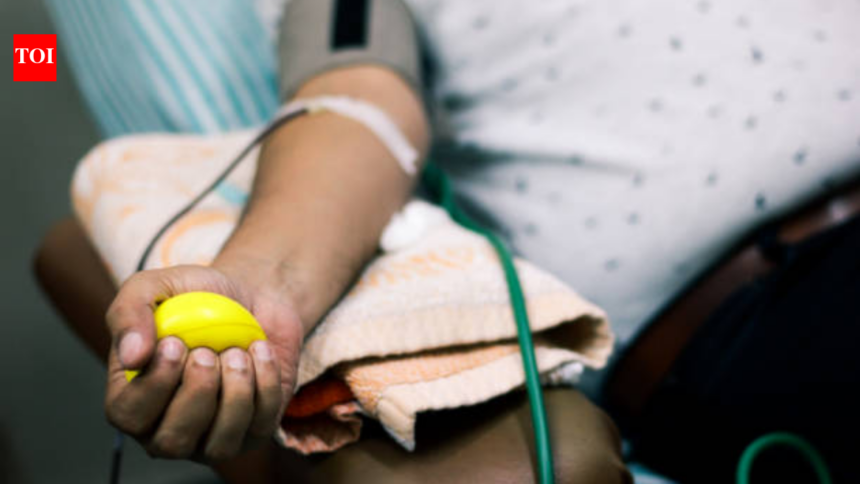
For many people, the idea of donating blood is a noble and selfless act, yet it’s often met with hesitation and uncertainty. The moment of truth arrives when standing at the door of the donation centre, where doubt and fear can take over. However, by understanding the real biological impact of blood donation, individuals can make informed decisions and potentially save countless lives. The process of blood donation is complex, involving a series of physical and biological responses that can have both short-term and long-term effects on the donor’s body.
The Biology of Blood Donation
The biological process of blood donation begins with the removal of approximately 10% of the donor’s blood volume, which is then replaced by the body over a period of 24-48 hours. This process triggers a series of physiological responses, including the release of hormones such as erythropoietin, which stimulates the production of new red blood cells. The body’s natural response to blood loss also involves the activation of the immune system, which can lead to a temporary increase in white blood cell count. Furthermore, the removal of blood can cause a decrease in blood pressure, which can lead to dizziness and lightheadedness in some individuals.
Despite these temporary effects, the benefits of blood donation far outweigh the risks. Regular blood donation has been shown to reduce the risk of heart disease, cancer, and other chronic conditions, possibly due to the removal of excess iron from the body. Additionally, the process of blood donation can help to stimulate the production of new blood cells, which can lead to improved overall health and wellbeing. Many donors also report feeling a sense of pride and satisfaction after donating, which can have a positive impact on mental health and self-esteem.
Debunking Common Myths
One of the most common myths surrounding blood donation is that it can lead to anaemia or iron deficiency. While it is true that blood donation can cause a temporary decrease in iron levels, the body is able to replenish these stores over time. In fact, regular blood donation can actually help to reduce the risk of iron overload, which can lead to serious health problems. Another common myth is that blood donation can cause long-term damage to the immune system, however, research has shown that the immune system is able to recover quickly after donation.
It’s also important to note that the screening process for blood donation is rigorous, involving a series of tests and questionnaires to ensure that donors are eligible and healthy enough to give blood. This process helps to minimize the risk of adverse reactions and ensures that the blood supply is safe for recipients. By understanding the facts behind blood donation, individuals can make informed decisions and help to alleviate the shortage of blood supplies. Donors can also take steps to prepare for donation, such as eating a healthy meal, staying hydrated, and getting plenty of rest.
The Future of Blood Donation
As medical technology continues to advance, the process of blood donation is becoming safer and more efficient. New technologies, such as automated blood collection systems, are being developed to reduce the risk of human error and improve the overall donor experience. Additionally, researchers are exploring new ways to increase blood supply, such as the use of artificial blood substitutes and the development of more effective blood storage methods. These advancements have the potential to revolutionize the field of blood donation, making it possible to save even more lives in the future.
Ultimately, the decision to donate blood is a personal one, but by understanding the real biological impact of blood donation, individuals can make informed choices and potentially save countless lives. As the demand for blood continues to grow, it’s essential that we debunk common myths and misconceptions surrounding blood donation, and encourage more people to roll up their sleeves and give the gift of life. With its many benefits and advancements in medical technology, blood donation is an act of selflessness that can have a lasting impact on individuals and communities around the world.