
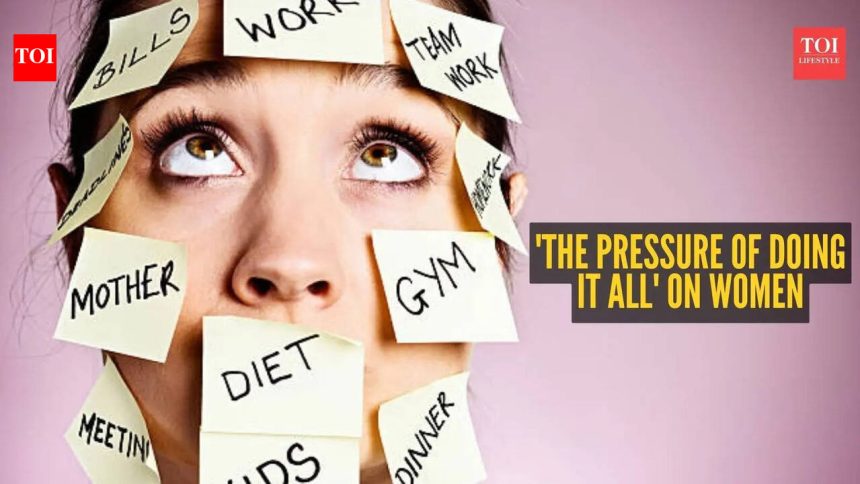
The modern woman – a paragon of strength, resilience, and determination. Or so the myth goes. But scratch beneath the surface, and the facade begins to crumble. Women today are expected to excel in an array of roles: career high-achiever, devoted mother, loving partner, fitness enthusiast, fashionista, caregiver, and selfless friend. The list goes on. And with each new expectation comes a fresh wave of anxiety, guilt, and exhaustion. It’s no wonder that women are more likely to experience stress and burnout than men, leading to a devastating impact on their mental and physical well-being.
The Unrealistic Expectations
The pressure to ‘do it all’ is a cultural phenomenon that has been perpetuated for decades. We’ve been sold a bill of goods: the idea that a successful woman is one who has it all: a high-powered job, a perfect family, a flawless physique, and a spotless home. But this ideology is a myth, one that has left countless women feeling inadequate, overwhelmed, and defeated. The media and social media platforms have contributed to this narrative, showcasing the seemingly effortless lives of celebrities and influencers, while hiding the unglamorous reality of their struggles behind a veil of curated perfection.
And yet, the expectations remain. Women are expected to be caregivers, homemakers, and breadwinners, often simultaneously. They’re expected to be perfect mothers, friends, and partners, while also striving for self-improvement and personal growth. The weight of these responsibilities is crushing, leading to feelings of inadequacy, anxiety, and depression. The statistics are sobering: a recent study found that 60% of women experience stress related to their work-life balance, while 40% report feeling overwhelmed by their responsibilities.
The Human Cost
So what’s the human cost of this impossible task? Women’s well-being is suffering. Chronic stress and anxiety are leading to a range of physical and mental health problems, from insomnia and digestive issues to depression and anxiety disorders. Women are also more likely to experience burnout, a state of emotional, mental, and physical exhaustion caused by prolonged stress. The consequences are far-reaching, affecting not just individual women but also their families, communities, and society as a whole.
The impact on women’s relationships is also significant. Women are often expected to be the emotional glue that holds families together, managing the emotional needs of their loved ones while neglecting their own. This can lead to resentments, conflicts, and feelings of isolation. Women are also more likely to experience conflict in their relationships, with 70% of women reporting that they feel unheard or unvalued by their partners.
Rethinking the Modern Woman’s Burden
So what’s the solution? It’s time to rethink the modern woman’s burden. We need to move away from the ideology of ‘doing it all’ and toward a more realistic, more compassionate understanding of what it means to be a woman. We need to recognize that women are not superheroes, but human beings with their own limitations, vulnerabilities, and needs. We need to acknowledge that it’s okay to ask for help, to prioritize our own needs, and to take breaks when we need them.
It’s time to create a new narrative, one that celebrates women’s strength and resilience without expecting perfection. We need to redefine what it means to be successful, to prioritize women’s well-being, and to create a society that supports women’s health and happiness. Only then can we begin to break free from the impossible task and build a more just, equitable world for all.


