The once-thriving fishing city of Minamata on Japan’s southern coast has been forever marred by an invisible poison that seeped into its marine ecosystem, leaving a trail of devastation that has only now begun to emerge from the shadows. For decades, families lived and died by the sea, unaware that their livelihoods were built on a foundation of toxic deceit. The waters that once provided for them had become a source of poison, a slow-moving killer that crept through the food chain, leaving behind a legacy of trauma and loss that will haunt the community for generations to come.
Devastating Consequences of a Silent Killer
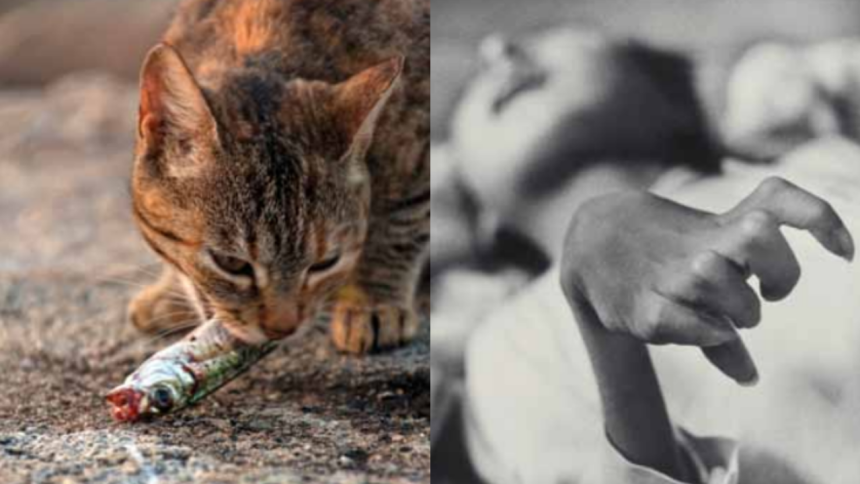
The people of Minamata had grown accustomed to the annual ritual of the cat massacres, when hundreds of the once-beloved pets would fall ill and die in a bizarre display of feline madness. The cats would foam at the mouth, lose their coordination, and succumb to a mysterious illness that no one could explain. Meanwhile, birds fell from the sky, their bodies riddled with tiny, dark spots that seemed to appear overnight. The cause of these strange occurrences remained a mystery, but the impact on the community was undeniable. As the number of afflicted animals grew, a sense of unease settled over the city, like a dark cloud hanging over its residents.
But it was only when the first whispers of a disease linked to poisoned seafood began to circulate that the true extent of the disaster became clear. The local hospital was soon overwhelmed with cases of people suffering from a range of debilitating symptoms, including numbness in their extremities, partial paralysis, and in some cases, even death. As the authorities struggled to comprehend the full scope of the crisis, it became clear that the people of Minamata had been unwittingly poisoned by the seafood they had eaten for generations.
The Poisoned Legacy of the Sea
The culprit behind the devastating outbreak was soon identified as a toxic compound called methylmercury, which had accumulated in the fish and shellfish that the people of Minamata had been consuming for years. The source of the poison was a nearby chemical plant that had been releasing mercury-laced waste directly into the ocean, where it had been absorbed by the marine ecosystem. As the toxin worked its way up the food chain, it eventually found its way onto the plates of the people who had come to rely on the sea for their livelihoods and sustenance.
The legacy of the Minamata disaster is one of unimaginable trauma and loss, a stark reminder of the devastating consequences of human negligence and environmental recklessness. As the city struggles to come to terms with its dark past, the people of Minamata are being forced to confront the true cost of their connection to the sea, and the devastating impact that it has had on their lives and their community.
A Community in Mourning
The people of Minamata are still grappling with the aftermath of the disaster, and the sense of grief and loss that pervades the community is palpable. Families who had once gathered around the dinner table to share a meal of fresh seafood now struggle to come to terms with the toxic legacy that has been left behind. As they work to rebuild their community and their lives, they are also seeking justice and accountability for the harm that was done to them, and the devastating impact that it has had on their community.
The story of Minamata is a powerful reminder of the need for vigilance and accountability in the face of environmental threats, and the importance of protecting the health and well-being of local communities. It is a tale of trauma, loss, and resilience, a testament to the strength and determination of the human spirit in the face of adversity.
As the people of Minamata look to the future, they do so with a sense of hope and determination, but also with a deep understanding of the importance of learning from the past. They know that the sea that had once provided for them had also betrayed them, and that the legacy of the Minamata disaster will continue to shape their lives for generations to come.