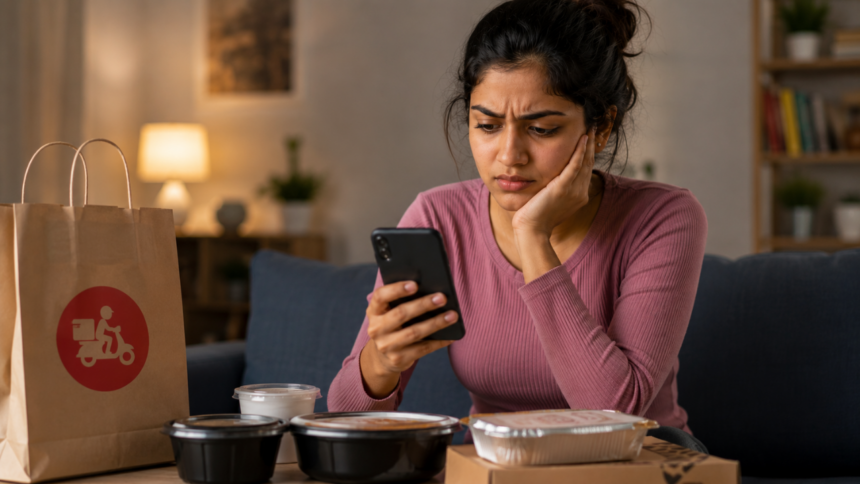
Have you ever stopped to think about how much you’re really spending on food delivery apps? It’s a question that might seem trivial at first, but the truth is, the convenience of swiping a few buttons can come at a steep price. For many of us, the daily habit of ordering takeout or having food delivered has become an ingrained part of our lives, but the costs can quickly add up and before we know it, we’re losing hundreds, if not thousands, of dollars due to a simple lack of awareness and discipline.
Tracking the Hidden Expenses
One of the most surprising ways that food delivery apps can quietly drain your wallet is through the sheer number of small transactions that can quickly turn into a significant financial burden. By examining your order history on your favorite food delivery app, you may be shocked to see just how many times you’ve ordered in a given month, and the cumulative cost of these small transactions can be staggering. For example, if you order takeout or have food delivered just five times a week, that’s 260 orders in a year, translating to potentially thousands of dollars spent on food delivery alone.
Another way that food delivery apps can sneakily drain your wallet is through the various fees and charges that are often hidden in the fine print. From delivery fees to service charges, these extra costs can quickly add up and before you know it, you’re paying upwards of 20% more for your food than you initially thought. And let’s not forget about the often-overlooked tip, which can further inflate the final cost of your order.
The Psychology of Convenience
So, why do we allow ourselves to get caught up in the convenience of food delivery apps, even when it means overspending on our food budgets? The answer lies in the psychology of convenience, which often trumps our rational decision-making abilities. By making food delivery just a few taps away on our smartphones, we’ve effectively created a system that rewards instant gratification over long-term financial sustainability. This can lead to a vicious cycle of overspending, as we continue to prioritize the convenience of food delivery over the financial consequences of our actions.
Breaking this cycle will require a combination of awareness, discipline, and a willingness to make some changes to our daily habits. By taking the time to track our spending on food delivery apps, setting realistic budgets, and finding alternative ways to satisfy our cravings for convenience, we can start to break free from the financial trap of convenience and develop healthier, more sustainable relationships with food and money.
Taking Back Control
So, what can you do to take back control of your finances and break free from the sneaky costs of convenience? First and foremost, it’s essential to become aware of your spending habits and track your expenses on food delivery apps. This will give you a clear picture of just how much you’re spending and help you identify areas where you can cut back. Next, set realistic budgets and stick to them, and consider finding alternative ways to satisfy your cravings for convenience, such as cooking at home or exploring local restaurants and cafes.
Ultimately, taking back control of your finances will require a combination of awareness, discipline, and a willingness to make some changes to your daily habits. By doing so, you’ll be able to break free from the financial trap of convenience and develop healthier, more sustainable relationships with food and money.
By making a few simple changes to our daily habits and being more mindful of our spending, we can break the cycle of convenience and start building a more sustainable financial future.