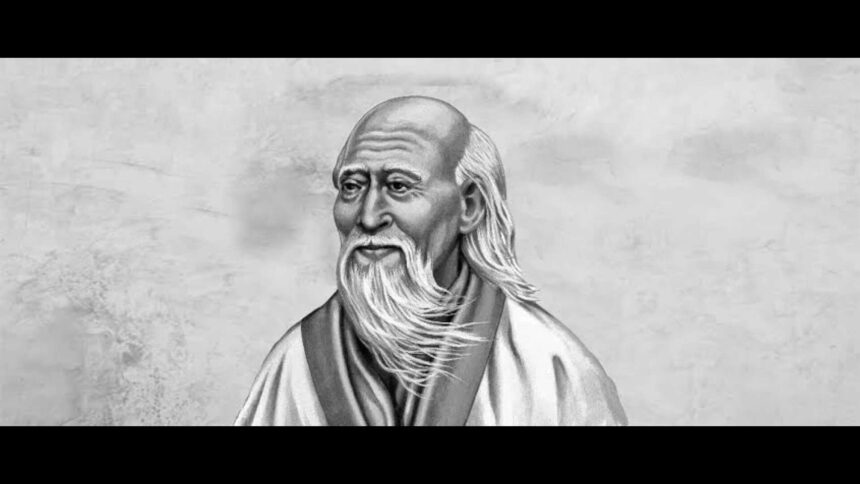
The words of ancient Chinese philosopher Lao Tzu continue to resonate deeply in modern times, offering insights that transcend centuries and cultures. His quote, ‘Time is a created thing. To say ‘I don’t have time,’ is like saying, ‘I don’t want to,’ serves as a stark reminder of how our perception of time influences our priorities and actions. In an era where the pace of life seems to accelerate by the day, Lao Tzu’s wisdom prompts us to reflect on how we allocate our time and what truly matters to us.
Understanding Lao Tzu’s Perspective
Lao Tzu, the founder of Taoism, lived around the 6th century BCE, a time of great philosophical and political upheaval in China. His teachings, as recorded in the Tao Te Ching, emphasize the importance of living in harmony with the natural world and finding balance within oneself. The concept of time, in Lao Tzu’s view, is not an absolute measure but a human construct, designed to organize our experiences and activities. By saying ‘I don’t have time,’ we are, in essence, making a choice about what we value and what we are willing to prioritize.
This perspective challenges the common notion that time is a fixed, scarce resource. Instead, Lao Tzu suggests that our experience of time is fluid and dependent on our intentions and focus. When we claim to lack time, we are often expressing a lack of desire or will to engage with a particular activity or person. This subtle yet profound distinction encourages us to examine our motivations and the reasons behind our time management decisions.
The Reality of Priorities
The way we prioritize our time reflects our values and what we consider important. In today’s fast-paced world, it’s easy to get caught up in the demands of work, social media, and other obligations, leaving us feeling drained and without sufficient time for personal pursuits or relationships. However, Lao Tzu’s quote invites us to reconsider our priorities and to recognize that time is a tool, not a tyrant. By being more mindful of how we spend our time, we can align our daily activities with our deeper aspirations and goals.
This process of reevaluation can lead to a more authentic and fulfilling life. When we acknowledge that our time is a reflection of our choices, we empower ourselves to make different decisions. We might choose to dedicate more time to personal growth, creative endeavors, or nurturing our connections with others. Such choices not only enhance our well-being but also contribute to a richer, more balanced life, where every moment feels more meaningful and purposeful.
Embracing the Wisdom of Lao Tzu
Embracing Lao Tzu’s wisdom on time and priorities requires a shift in our mindset and behavior. It involves moving away from the mindset of scarcity and towards an understanding of abundance, where time is seen as a resource that can be managed and allocated in a way that reflects our true desires and values. This shift is not about having more time but about living more fully in the time we have.
As we integrate Lao Tzu’s insights into our daily lives, we may find ourselves approaching challenges and opportunities with a renewed sense of purpose and clarity. We learn to say ‘yes’ to what truly matters and ‘no’ to what distracts us from our path. This discernment is a powerful tool for creating a life that is more aligned with our deepest aspirations, a life where every moment counts and every decision reflects our commitment to living authentically.
Lao Tzu’s quote serves as a timeless reminder of the power of choice and the importance of living intentionally. As we navigate the complexities of modern life, his wisdom offers a guiding light, encouraging us to prioritize what truly adds value and meaning to our existence. By embracing this wisdom, we can transform our relationship with time and cultivate a more profound appreciation for the present moment, where the beauty of life unfolds.