The monsoon season in India is a time-honored tradition that evokes memories of carefree days spent splashing in puddles, sipping steaming cups of chai, and indulging in crispy pakoras. For many, it’s a welcome respite from the sweltering summer heat, a time when the world seems to slow down and the gentle patter of raindrops on the roof is a soothing lullaby. However, this year, the monsoon’s arrival is shrouded in uncertainty, thanks to the looming presence of El Niño, a climate phenomenon that could have far-reaching consequences for India’s weather patterns and, in turn, your household budget.
Understanding El Niño’s Impact on the Monsoon
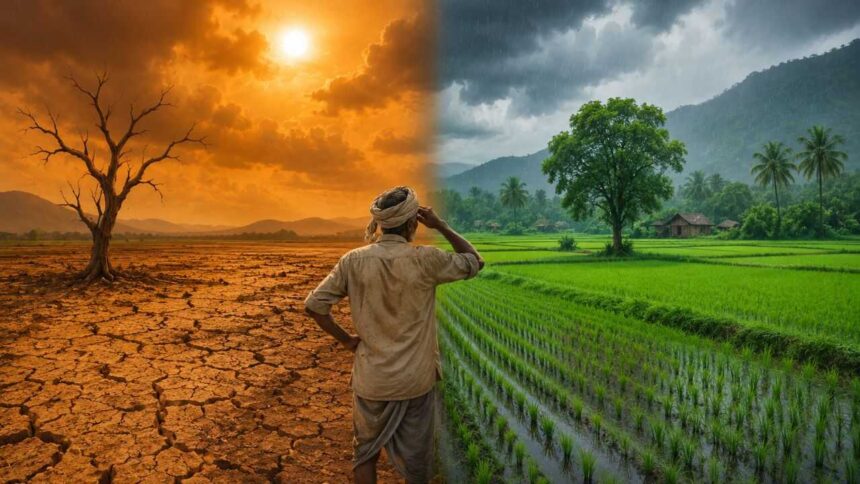
El Niño is a complex weather pattern that arises when the surface temperature of the Pacific Ocean warms up, causing changes in the atmospheric circulation and precipitation patterns around the world. In the case of India, El Niño is known to disrupt the monsoon, leading to drought-like conditions in some regions and excessive rainfall in others. This can have devastating effects on agriculture, which accounts for a significant portion of India’s economy, and, subsequently, your household budget. For instance, a drought can lead to crop failures, reducing the availability and affordability of staple foods like wheat, rice, and pulses, while excessive rainfall can cause flooding, damaging crops and infrastructure, and disrupting supply chains.
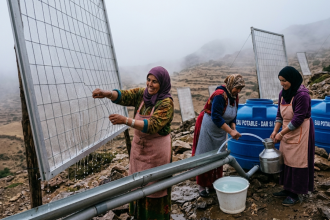
The impact of El Niño on the monsoon is not just limited to agriculture. The changing weather patterns can also affect the availability and price of water, a crucial resource for households, industries, and agriculture. According to data from the Ministry of Water Resources, River Development, and Ganga Rejuvenation, India’s water scarcity is projected to worsen in the coming years, with over 60% of the country’s districts facing high to extreme water scarcity. El Niño’s influence on the monsoon could exacerbate this issue, leading to even shorter supply of water for households, industries, and agriculture, and, in turn, increasing the cost of water treatment and supply.
The Human Cost of El Niño’s Impact on the Monsoon
The effects of El Niño on the monsoon are not just economic; they also have a significant human cost. Droughts and floods can lead to displacement, health problems, and even loss of life. For instance, the 2016 drought in India’s Maharashtra state led to a shortage of drinking water, forcing thousands of people to migrate to urban areas in search of work and resources. Similarly, the 2018 Kerala floods, which were exacerbated by El Niño’s influence on the monsoon, killed over 400 people and displaced thousands more. The human cost of El Niño’s impact on the monsoon is a stark reminder of the need for preparedness and resilience in the face of climate change.
The impact of El Niño on the monsoon is a pressing concern for policymakers, researchers, and households alike. As the country struggles to adapt to the changing climate, it is essential to understand the complex relationships between climate patterns, weather events, and household budgets. By doing so, we can develop strategies to mitigate the effects of El Niño on the monsoon, ensuring that the country’s most vulnerable populations are protected from the worst of the impacts.
Preparing for the Uncertain Monsoon
While the arrival of El Niño and its impact on the monsoon are uncertain, there are steps that households can take to prepare for the uncertain times ahead. One of the most effective ways is to build a water storage system, such as a rainwater harvesting tank, to store water for non-potable purposes like flushing toilets, washing clothes, and watering plants. This can reduce the reliance on municipal water supplies and help households save money on water bills. Additionally, households can invest in drought-resistant crops and plants, which can help reduce the impact of droughts on agriculture. By taking proactive steps, households can build resilience against the uncertainties of the monsoon and, in turn, reduce the financial strain on their budgets.
As the monsoon season approaches, it’s essential to remember that the impact of El Niño on the monsoon is a complex issue that requires a multifaceted approach. By understanding the relationships between climate patterns, weather events, and household budgets, we can develop strategies to mitigate the effects of El Niño on the monsoon and ensure that the country’s most vulnerable populations are protected from the worst of the impacts. Whether you’re a policymaker, researcher, or household, it’s time to take action and prepare for the uncertain monsoon ahead.