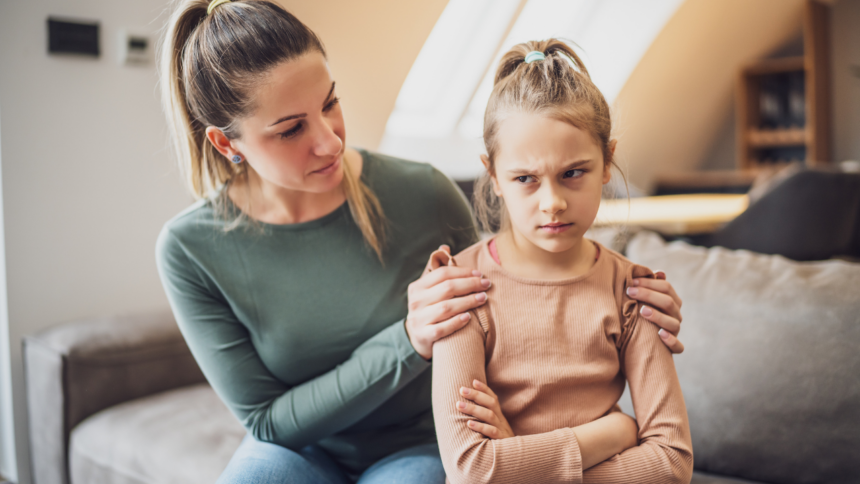
For many children, the simple sentence ‘You know what your father did today?’ becomes the beginning of a burden they were never meant to carry. It often starts innocently, with a mother venting after an argument or a father complaining about feeling unappreciated. Most parents don’t do this on purpose, it’s not malicious, rather it’s exhaustion. But what parents do not realise is that kids cannot process emotional stuff the way adults can. They may sit quietly and nod but cannot offer solutions. They can only absorb the emotions being placed on them. And sometimes, they carry those emotions for years.
The Emotional Toll on Children
Children are highly attuned to their environment and the emotions of those around them. When parents share their marital problems with their kids, it can create a sense of uncertainty and anxiety. Kids may feel like they are walking on eggshells, never knowing when the next argument will erupt. This can lead to feelings of guilt, shame, and self-blame, as they may feel like they are somehow responsible for their parents’ problems. Furthermore, children may also feel like they are being pulled into the conflict, forced to take sides or mediate between their parents.
This can be particularly damaging for children who are already struggling with their own emotional regulation. Kids who are prone to anxiety or depression may be more susceptible to the negative effects of parental conflict. Additionally, children who are exposed to chronic marital stress may have difficulty developing healthy relationships in the future. They may struggle with trust, intimacy, and communication, as they may have learned that relationships are inherently unstable and conflict-ridden.
The Hidden Ways Children Are Affected
There are five hidden ways children can be affected when they become the emotional dumping ground for their parents’ marital struggles. Firstly, children may experience emotional numbing, where they become desensitized to their own emotions and the emotions of those around them. This can lead to difficulties in forming and maintaining healthy relationships. Secondly, children may develop anxiety or depression, as they struggle to cope with the stress and uncertainty of their parents’ conflict. Thirdly, children may have difficulty with emotional regulation, leading to mood swings, irritability, and explosive behavior. Fourthly, children may feel like they are losing their childhood, as they are forced to take on adult responsibilities and worries. Finally, children may struggle with self-esteem and confidence, as they feel like they are not good enough or that they are somehow to blame for their parents’ problems.
These effects can be long-lasting, even if the parents’ marital problems are eventually resolved. Children who are exposed to chronic conflict may carry the emotional scars into adulthood, struggling with relationships, mental health, and overall well-being. It’s essential for parents to recognize the potential harm they may be causing and take steps to protect their children from the negative effects of marital stress.
Breaking the Cycle: What Parents Can Do Instead
So, what can parents do instead of sharing their marital problems with their kids? Firstly, they can seek support from other adults, such as friends, family members, or therapists. This can provide a safe and healthy outlet for their emotions, rather than relying on their children. Secondly, parents can work on developing healthy communication and conflict resolution skills, reducing the likelihood of arguments and stress in the home. Thirdly, parents can prioritize their children’s emotional well-being, making sure they feel safe, supported, and loved. This can involve setting clear boundaries, providing emotional validation, and encouraging open communication.
By taking these steps, parents can help break the cycle of marital stress and protect their children from the negative effects of conflict. It’s essential for parents to recognize that their children are not their therapists, and that they need to prioritize their kids’ emotional well-being above all else. By doing so, parents can help their children develop into happy, healthy, and well-adjusted adults, with strong relationships and a positive outlook on life. As parents, it’s our responsibility to provide a safe and nurturing environment for our kids, and that includes shielding them from the emotional fallout of our marital problems.