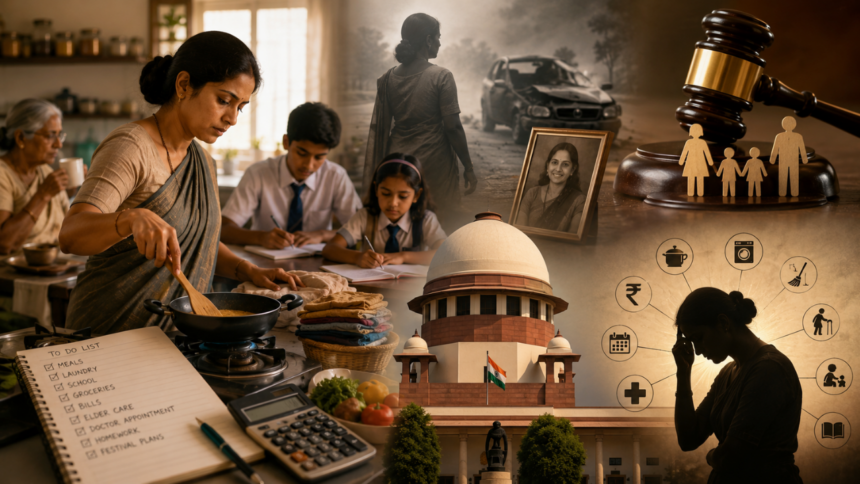
Before the sun rises, Nidhi’s day has already begun. As a homemaker, she is responsible for managing her household, taking care of her family, and ensuring everything runs smoothly. From cooking and cleaning to caring for her children and elderly mother-in-law, Nidhi’s work is never done. Yet, despite her tireless efforts, her labour goes unrecognized and unrewarded. This is the reality for millions of homemakers in the country, who are now asking if their 24-hour work can be valued at a minimum of Rs 30,000 per month.
The Value of Unpaid Labour
The issue of valuing unpaid labour has been a topic of discussion for years. Many argue that the work done by homemakers is invaluable and cannot be quantified in monetary terms. However, others believe that recognizing the economic value of unpaid labour can help to reduce the burden on homemakers and promote gender equality. A recent study found that if unpaid labour were to be valued, it would contribute significantly to the country’s GDP. In fact, the study estimated that the value of unpaid labour could be as high as 30% of the country’s GDP.
The study also highlighted the importance of recognizing unpaid labour in reducing poverty and promoting economic growth. By valuing unpaid labour, policymakers can develop strategies to support homemakers and reduce the burden of care work. This can include providing access to education and job training, as well as implementing policies that promote flexible work arrangements and childcare support. For Nidhi and millions of homemakers like her, recognition of their unpaid labour is not just about monetary compensation, but also about respect and dignity for their work.
The Struggle for Recognition
Despite the importance of recognizing unpaid labour, homemakers continue to face significant challenges in their struggle for recognition. Many homemakers are not recognized as workers and are therefore excluded from social security benefits and labour protections. This can leave them vulnerable to poverty and exploitation. Furthermore, the lack of recognition for unpaid labour can also perpetuate gender stereotypes and reinforce the notion that care work is the responsibility of women.
To address these challenges, advocates are calling for policymakers to develop strategies to recognize and value unpaid labour. This can include implementing policies that provide homemakers with access to education and job training, as well as promoting flexible work arrangements and childcare support. Additionally, advocates are pushing for the development of social security benefits and labour protections that recognize the rights of homemakers as workers. By recognizing the value of unpaid labour, policymakers can help to promote gender equality and reduce the burden on homemakers.
A New Era for Homemakers
As the debate over valuing unpaid labour continues, homemakers like Nidhi are hopeful that their work will soon be recognized and valued. With the rise of the women’s movement and growing awareness of gender equality, there is a renewed focus on promoting the rights of homemakers. Advocates believe that recognizing the value of unpaid labour can help to challenge traditional gender stereotypes and promote a more equitable distribution of care work.
For Nidhi, recognition of her unpaid labour is not just about personal satisfaction, but also about creating a better future for her children. She hopes that one day, her daughter will not have to face the same challenges that she has faced as a homemaker. By valuing unpaid labour, policymakers can help to create a more just and equitable society, where all workers, including homemakers, are recognized and respected for their contributions. As Nidhi looks to the future, she is hopeful that her work will soon be valued and recognized, and that she will finally receive the respect and dignity she deserves.