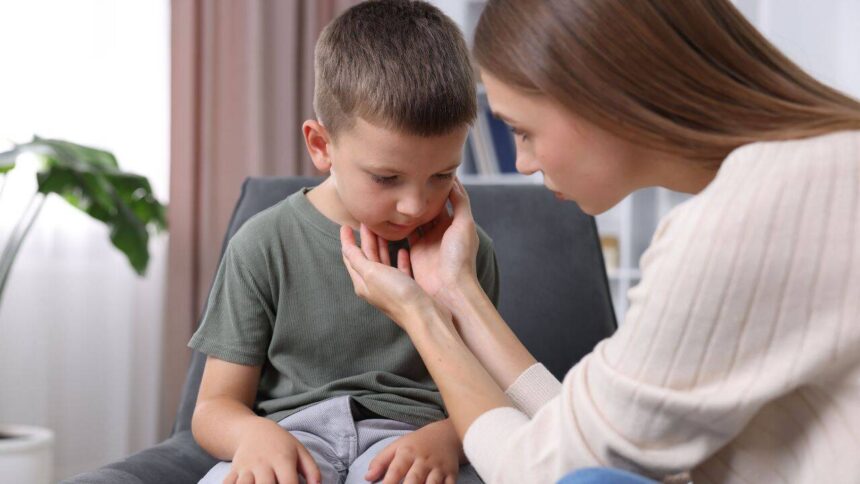
Children are the most vulnerable and impressionable members of our society, and as such, they soak up everything around them like sponges. They may not remember every toy they received or every meal they ate, but they often remember how the people closest to them made them feel. What adults see as harmless teasing or innocent comments can sometimes leave a lasting mark on a child’s confidence. Think back to your own childhood – do you remember the times when a careless word or a well-meaning comment made you feel small, inadequate, or unworthy? It’s a painful memory that can be difficult to shake, and one that can have a profound impact on a child’s self-esteem and confidence.
Comments That Can Leave a Lasting Mark
While it may seem insignificant at the time, a well-meaning comment or even a joke can become a source of anxiety and self-doubt for a child. Take, for example, the parent who tells their child that they’re not ‘good enough’ at a particular activity or sport. On the surface, it may seem like a lighthearted way to encourage improvement, but to a child, it can be a constant reminder of their perceived inadequacies. Similarly, a parent’s tendency to compare their child to others – whether it’s a sibling, a friend, or a classmate – can lead to feelings of inadequacy and low self-esteem. And let’s not forget the classic ‘you’re so sensitive’ comment, which can be particularly damaging to a child’s emotional well-being.
Another comment that can be particularly damaging is the phrase ‘don’t be so silly.’ On the surface, it may seem like a harmless way to calm a child down, but to a child, it can be a dismissive comment that minimizes their feelings and concerns. It’s a subtle way of telling a child that their emotions and thoughts aren’t valid or important, and it can be a source of anxiety and self-doubt for many children. And finally, the comment ‘you’re too old for that’ can be particularly damaging to a child’s confidence. On the surface, it may seem like a way to encourage a child to grow up and move on, but to a child, it can be a reminder that they’re not good enough or capable enough to continue enjoying something they love.
The Impact on a Child’s Confidence
The impact of these comments can be long-lasting and far-reaching. A child who is constantly told they’re not good enough or that they need to ‘grow up’ can develop a negative self-image and low self-esteem. They may become anxious and self-doubting, struggling to make decisions and take risks. They may also become overly critical of themselves, constantly seeking validation and approval from others. And in extreme cases, these comments can even lead to depression and anxiety disorders.
But it’s not all doom and gloom. By being more mindful of the comments we make to our children, we can help to build their confidence and self-esteem. We can encourage them to take risks and try new things, and we can praise their efforts and accomplishments. We can also model healthy self-talk and self-acceptance, showing our children that it’s okay to make mistakes and that we’re all worthy of love and respect, regardless of our accomplishments or failures.
Breaking the Cycle
So how can we break the cycle of negative comments and build our children’s confidence instead? It starts with being more mindful of the comments we make to our children. Before we speak, we need to take a moment to consider the impact of our words. Are we saying something that will uplift and encourage our child, or are we saying something that will hurt and belittle them? By choosing our words more carefully, we can help to build our children’s confidence and self-esteem, and set them up for a lifetime of success and happiness.
It’s a simple yet powerful way to make a difference in our children’s lives, and it’s something that we can all do. By being more mindful of the comments we make, we can help to create a more confident, more self-assured, and more resilient generation of children. And who knows – we may just change the course of their lives forever.
As parents, we want the best for our children, and that includes helping them to develop a healthy and positive self-image. By being more mindful of the comments we make, we can help to build their confidence and self-esteem, and set them up for a lifetime of success and happiness. It’s a simple yet powerful way to make a difference in our children’s lives, and it’s something that we can all do.