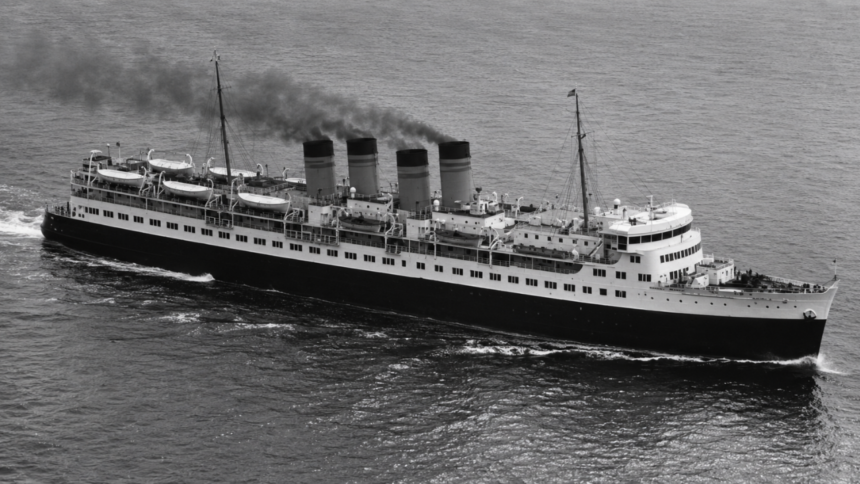
The evening of 26 September 1954 will forever be etched in the memories of the Japanese people as the day the Toya Maru, a passenger ferry, met its tragic demise in the Tsugaru Strait. The ferry, which was attempting to cross the narrow but treacherous stretch of water separating the islands of Honshu and Hokkaido, was no match for the fury of Typhoon Marie, known in Japan as the Toya Maru Typhoon. Despite the worsening weather conditions, the vessel initially tried to maintain its schedule, a decision that would ultimately prove to be catastrophic, claiming the lives of over 1,500 people and leaving an indelible mark on the nation’s maritime history.
Causes of the Tragedy
The sinking of the Toya Maru was a result of a combination of factors, including the ferry’s outdated design, inadequate safety measures, and the crew’s ill-fated decision to venture into the stormy waters. The vessel, which was built in 1947, lacked the modern safety features that are now standard in the shipping industry, making it vulnerable to the extreme weather conditions. Furthermore, the crew’s failure to heed the warning signs of the impending typhoon and their reluctance to alter the ferry’s course or delay its departure ultimately sealed the fate of the Toya Maru and its passengers.
The tragedy also highlighted the need for improved weather forecasting and warning systems, as well as more stringent safety regulations for ferries operating in Japan’s coastal waters. In the years that followed, the Japanese government implemented a series of reforms aimed at preventing such disasters from occurring in the future, including the establishment of a more advanced weather forecasting system and the introduction of stricter safety standards for ferries.
Aftermath and Reforms
The sinking of the Toya Maru sent shockwaves across Japan, prompting a nationwide outpouring of grief and outrage. The tragedy led to a major overhaul of the country’s maritime safety regulations, with a focus on improving ferry design, safety equipment, and crew training. The Japanese government also invested heavily in the development of more advanced weather forecasting systems, enabling more accurate predictions of severe weather events and allowing for more effective emergency response planning.
The construction of the Seikan Tunnel, which was completed in 1988, also played a significant role in reducing the reliance on ferries for crossing the Tsugaru Strait. The tunnel, which spans over 53 kilometers, provides a safer and more efficient means of transportation between Honshu and Hokkaido, and has significantly reduced the number of ferry accidents in the region.
Legacy of the Toya Maru
Today, the Toya Maru is remembered as one of the most tragic maritime disasters in Japanese history, and its legacy continues to shape the country’s approach to ferry safety. The tragedy serves as a poignant reminder of the importance of prioritizing safety and heeding the warning signs of severe weather events. The Toya Maru’s story has also been immortalized in various forms of media, including films, books, and documentaries, ensuring that its memory will never be forgotten.
The sinking of the Toya Maru on that fateful day in 1954 will always be remembered as a turning point in Japan’s maritime history, a tragedy that led to significant improvements in ferry safety and weather forecasting. As the years go by, the legacy of the Toya Maru continues to serve as a reminder of the importance of safety, vigilance, and responsible decision-making, and its impact will be felt for generations to come.