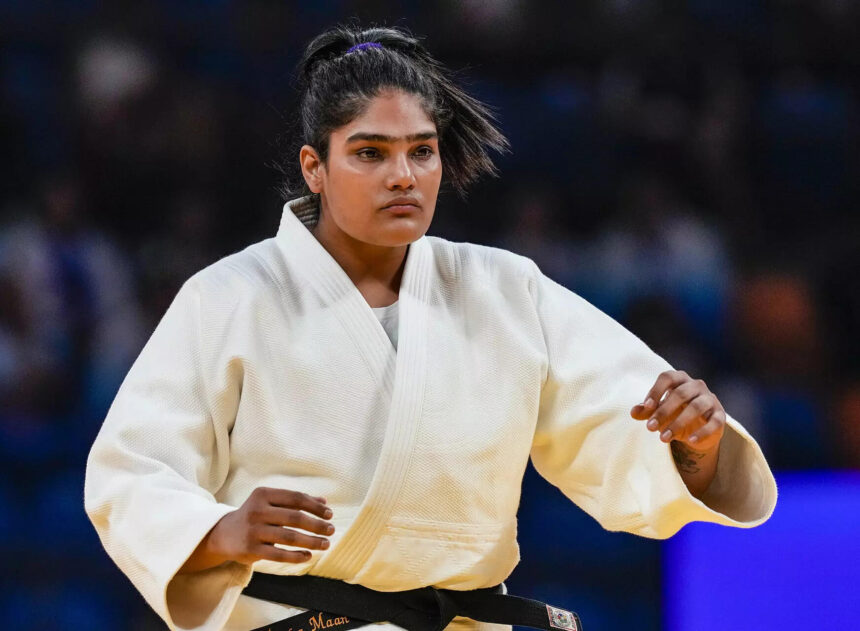
India’s judo campaign at the 2026 Commonwealth Games in Glasgow has been marred by controversy, with the latest setback being the withdrawal of CWG silver medallist Tulika Maan. The Judo Federation of India (JFI) chief confirmed that Maan has been withdrawn from the Glasgow Games due to alleged whereabouts failures, a development that has sent shockwaves through the Indian judo fraternity. This news comes on the heels of another judoka, Arun Kumar, being ruled out after failing a dope test, leaving India’s judo fans reeling.
Whereabouts Failures and Doping Violations
The whereabouts rule is a crucial aspect of anti-doping regulations, requiring athletes to disclose their location for a one-hour time slot each day, making it possible for them to be located for out-of-competition testing. JFI chief stated that Maan did not adhere to this rule, which led to her withdrawal from the Games. The JFI has a responsibility to ensure that all athletes comply with anti-doping regulations, and any failure to do so can result in severe consequences. The incident has raised questions about the JFI’s ability to monitor and manage its athletes’ whereabouts and adherence to anti-doping rules.
The news of Maan’s withdrawal has been met with disappointment and frustration from the Indian judo community. Many had pinned their hopes on Maan to bring home a medal, given her impressive performance at the previous Commonwealth Games. With her withdrawal, India’s judo campaign has been dealt a significant blow, and it remains to be seen how the other judokas will perform in Glasgow.
Impact on India’s Judo Campaign
The withdrawal of Tulika Maan and the doping violation by Arun Kumar have severely impacted India’s judo campaign at the Commonwealth Games. The team was already facing an uphill task, given the strong competition from other nations. The loss of two key athletes has further weakened the team’s chances of winning medals. The JFI will need to regroup and reassess its strategy to ensure that the remaining athletes are able to perform to the best of their abilities and bring home some medals.
The incident has also raised questions about the JFI’s preparation and planning for the Games. The federation will need to conduct a thorough review of its processes and procedures to ensure that such incidents do not happen in the future. The athletes, coaches, and support staff will need to work together to overcome this setback and focus on the task at hand.
Future Implications and Lessons Learned
The withdrawal of Tulika Maan and the doping violation by Arun Kumar have significant implications for the future of Indian judo. The JFI will need to take concrete steps to prevent such incidents from happening in the future. This includes implementing stricter anti-doping measures, providing education and training to athletes on the importance of adhering to whereabouts rules, and ensuring that athletes are aware of the consequences of non-compliance. The federation will also need to review its selection process to ensure that only athletes who are compliant with anti-doping regulations are selected to represent the country.
The incident has also highlighted the need for greater transparency and accountability within the JFI. The federation will need to be more proactive in communicating with athletes, coaches, and support staff to ensure that everyone is aware of their responsibilities and the consequences of non-compliance. By learning from this experience, the JFI can take steps to prevent such incidents from happening in the future and ensure that Indian judo emerges stronger and more resilient.