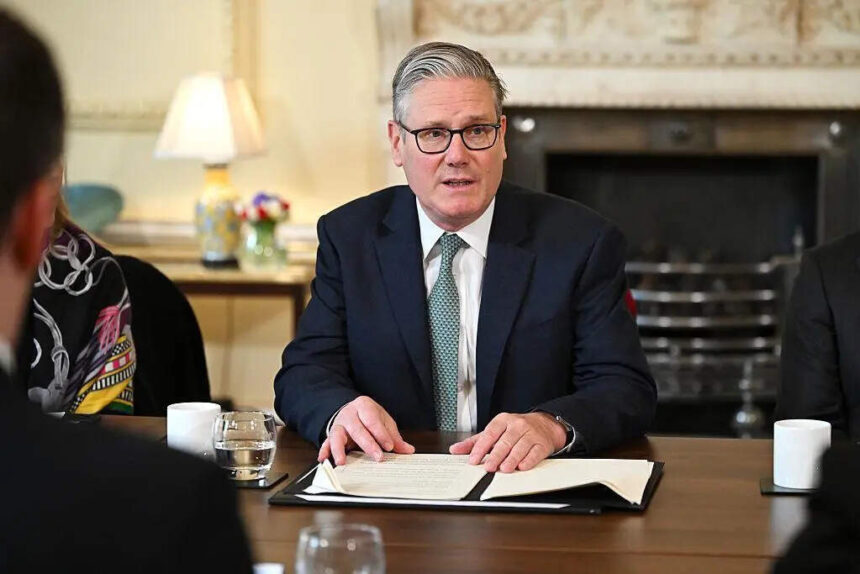
The UK government has announced a groundbreaking plan to ban children under the age of 16 from using major social media platforms, including TikTok, Instagram, and Snapchat. In a move aimed at protecting children’s online safety, Prime Minister Keir Starmer has proposed the most significant overhaul of online child safety rules in a generation. The proposal, which is set to be put to parliament for approval, is a bold response to concerns about the potential risks of social media use on young people’s mental health, wellbeing, and social development.
Concerns Over Social Media’s Impact on Children
The decision to ban social media use for under-16s comes after growing concerns about the impact of these platforms on children’s mental health. Research has shown that excessive social media use can lead to increased symptoms of anxiety and depression, lower self-esteem, and reduced attention span. Moreover, studies have also highlighted the potential risks of online harassment, cyberbullying, and the spread of misinformation on social media. The UK government has acknowledged these risks and is taking a proactive approach to protect children from the potential harm of social media.
In particular, the government is concerned about the role of social media in promoting unrealistic and unattainable beauty standards, the spread of body shaming, and the normalisation of unhealthy behaviors. The plan to ban social media use for under-16s is seen as a crucial step towards addressing these issues and promoting a healthier online environment for children.
How the Ban Will Work
The proposed ban will require social media companies to implement age verification systems to prevent children under 16 from creating accounts on their platforms. Social media companies will also be required to take steps to reduce the spread of harmful content, including age-inappropriate advertisements and explicit material. Additionally, the government will introduce new regulations to ensure that social media companies prioritise children’s safety and wellbeing.
The government has announced plans to work closely with social media companies to ensure a smooth transition to the new regulations. The proposal also includes plans for education and awareness-raising campaigns to help parents and children understand the risks and benefits of social media use. Furthermore, the government will establish a new independent regulator to oversee the implementation of the new regulations and ensure that social media companies comply with the law.
Implications and Next Steps
The proposal to ban social media use for under-16s has sparked a heated debate about the potential implications of the ban. Some experts have raised concerns about the potential impact on children’s communication skills, social development, and access to information. However, others see the ban as a necessary step towards protecting children’s online safety and wellbeing.
The UK government has announced plans to engage with stakeholders, including parents, children, and social media companies, to refine the proposal and address any concerns. The proposal will be put to parliament for approval in the coming weeks, and it is expected to face significant scrutiny and debate. If approved, the ban will come into effect in 2025, giving social media companies time to implement the necessary changes.
The proposed ban on social media use for under-16s is a significant step towards protecting children’s online safety and wellbeing. While the proposal has sparked debate and controversy, it is clear that the UK government is taking a proactive approach to address the potential risks of social media use on young people. The proposal will be closely watched by other countries, and it is likely to have significant implications for the global online safety agenda.