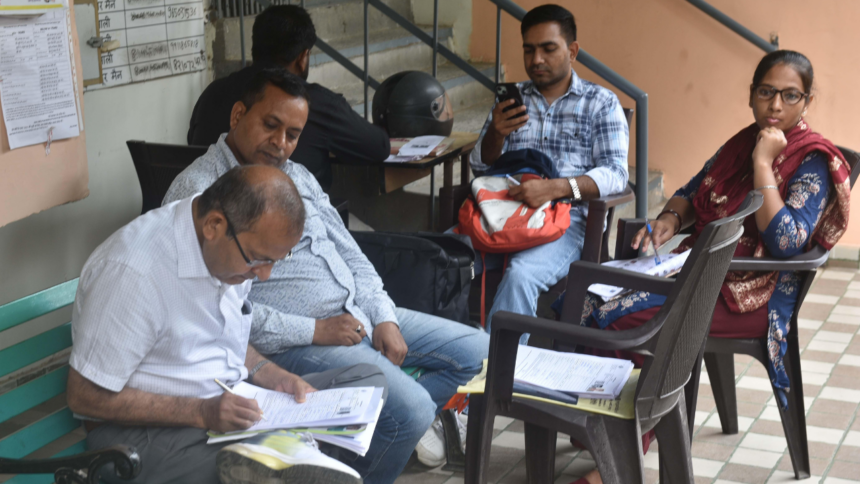
The integrity of India’s electoral process has come under scrutiny after three United Nations special rapporteurs expressed concerns over the special intensive revision (SIR) process, which has been completed in 13 states and union territories and is ongoing in others. The UN experts have raised red flags over the use of opaque AI-driven systems, weak grounds for deletion of names, inadequate time given to electors for documentation and objections, and the exclusion of minorities. These concerns have sparked a heated debate over the fairness and transparency of the electoral roll revision process, with the Election Commission of India dismissing the concerns as baseless.
Concerns Over the SIR Process
The SIR process is a comprehensive review of the electoral rolls to ensure their accuracy and purity. However, the UN special rapporteurs have alleged that the process is marred by several shortcomings, including the use of AI-driven systems that are not transparent or accountable. They have also expressed concerns over the deletion of names from the electoral rolls, citing weak grounds and inadequate opportunities for electors to object. Furthermore, the rapporteurs have pointed out that the process has exclude minorities, which could have serious implications for their right to participate in the electoral process.
The concerns raised by the UN special rapporteurs have been echoed by several civil society groups and opposition parties, who have demanded greater transparency and accountability in the SIR process. They have also called for the Election Commission to engage in a more consultative and inclusive process, involving all stakeholders, to ensure that the electoral rolls are accurate and representative of the diverse population of India. The Election Commission, however, has dismissed these concerns, stating that the SIR process is robust and transparent, and that the UN special rapporteurs’ allegations are baseless.
Implications for India’s Electoral Process
The controversy over the SIR process has significant implications for India’s electoral process, which is widely regarded as a model for democratic elections. The use of AI-driven systems, which are not transparent or accountable, could undermine the integrity of the electoral process, and raise questions over the accuracy and reliability of the electoral rolls. Furthermore, the exclusion of minorities from the SIR process could have serious consequences for their right to participate in the electoral process, and could exacerbate existing social and economic inequalities.
The Election Commission’s dismissal of the UN special rapporteurs’ concerns has also raised questions over its commitment to transparency and accountability. The Commission’s assertion that the SIR process is robust and transparent is not borne out by the facts, and its refusal to engage with the concerns raised by the UN special rapporteurs and civil society groups has created an impression of arrogance and indifference. The controversy over the SIR process has highlighted the need for greater transparency and accountability in India’s electoral process, and the need for the Election Commission to engage in a more consultative and inclusive process, involving all stakeholders.
Way Forward
The controversy over the SIR process has sparked a heated debate over the future of India’s electoral process. The UN special rapporteurs’ concerns have highlighted the need for greater transparency and accountability in the SIR process, and the need for the Election Commission to engage in a more consultative and inclusive process, involving all stakeholders. The Election Commission must take the concerns raised by the UN special rapporteurs and civil society groups seriously, and take concrete steps to address them. This could involve making the AI-driven systems used in the SIR process more transparent and accountable, providing adequate opportunities for electors to object to the deletion of their names, and ensuring that the process is inclusive and representative of the diverse population of India.
The Indian government must also take a closer look at the SIR process and the concerns raised by the UN special rapporteurs. The government must ensure that the electoral process is fair, transparent, and accountable, and that the rights of all citizens, including minorities, are protected. The controversy over the SIR process has highlighted the need for greater transparency and accountability in India’s electoral process, and the need for the government and the Election Commission to engage in a more consultative and inclusive process, involving all stakeholders. Ultimately, the integrity of India’s electoral process depends on the ability of the government and the Election Commission to address the concerns raised by the UN special rapporteurs and civil society groups, and to ensure that the process is fair, transparent, and accountable.