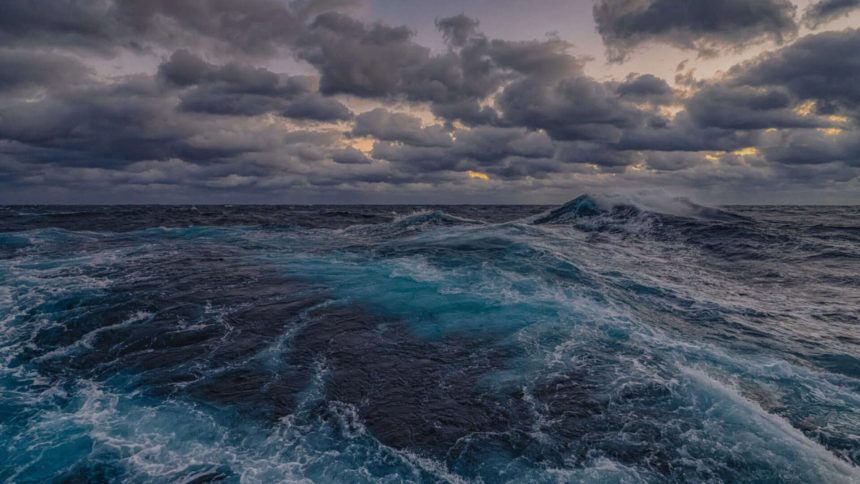
The ocean, covering over 70% of our planet, has long been a source of fascination and mystery. Yet, despite its immense size and importance, less than 30% of the world’s ocean floor has been mapped to modern standards. This staggering reality is a stark reminder of the vast and unexplored regions of the seabed that lie beneath the surface, with clearer high-resolution data available for Mars and the moon than for much of our own planet.
The lack of detailed mapping of the ocean floor is a result of a combination of factors. Firstly, the sheer scale of the task at hand is daunting, with the ocean covering over 361 million square kilometers of the Earth’s surface. Additionally, the ocean is a hostile environment, with pressure and temperature conditions that are inhospitable to human exploration. Current mapping efforts rely on sonar and other technologies that are limited in their ability to capture the complex topography of the seafloor.
Exploring the Ocean Floor: Challenges and Opportunities
Despite the challenges, scientists and researchers continue to push the boundaries of ocean exploration. Advances in technology have enabled the development of more sophisticated and autonomous underwater vehicles, which can collect high-resolution data and imagery of the seafloor. However, these efforts are often hindered by funding constraints and the high costs associated with conducting deep-sea research.
In recent years, there has been a growing recognition of the importance of mapping the ocean floor. Not only does it have significant implications for our understanding of the Earth’s geology and ecosystems, but it also has important applications in the fields of natural resource management, fisheries, and climate change. As the world’s population continues to grow and demand for resources increases, the need for accurate and comprehensive mapping of the ocean floor has become more pressing.
The Benefits of Ocean Mapping
One of the most significant benefits of ocean mapping is the discovery of new species and ecosystems. The deep sea is home to a vast array of unique and often bizarre creatures that have evolved in isolation over millions of years. By exploring and mapping the ocean floor, scientists can gain a better understanding of the complex interactions between these species and their environments.
Additionally, ocean mapping can also help us better understand the Earth’s climate system. The ocean plays a critical role in regulating the Earth’s temperature, and by studying the ocean floor, scientists can gain insights into the Earth’s geological history and the processes that shape our planet.
The Future of Ocean Exploration
As technology continues to advance and funding for ocean research increases, the prospects for exploring and mapping the ocean floor are exciting. New initiatives, such as the General Bathymetric Chart of the Oceans (GEBCO) project, aim to create the first-ever complete map of the ocean floor by 2030. This ambitious goal will require the coordination of governments, researchers, and industry partners, but the potential rewards are significant.
By exploring and mapping the ocean floor, we can gain a deeper understanding of our planet and the complex systems that shape it. We can discover new species and ecosystems, better understand the Earth’s climate system, and unlock the secrets of the deep sea. As we continue to push the boundaries of ocean exploration, we may yet uncover the hidden secrets of the ocean floor.