The Arctic, often referred to as the earth’s refrigerator, is undergoing a transformation of unprecedented proportions. As the planet warms, the frozen north is feeling the heat, and its waterways are responding in unexpected ways. Arctic rivers, which play a crucial role in shaping the region’s ecosystem, are experiencing changes that are not uniform across the board – a finding that has significant implications for our understanding of the Arctic’s hydrological system.
Understanding the Complexity of Arctic Rivers
Arctic rivers are the lifeblood of the region, pouring vast volumes of freshwater into the Arctic Ocean and influencing seawater salinity, sea-ice formation, and ocean circulation. These rivers are fed by a combination of snowmelt, glacier runoff, and rainfall, making them highly sensitive to changes in temperature and precipitation patterns. As the Arctic warms, the timing and magnitude of these hydrological events are shifting, leading to changes in river discharge and water quality. For instance, earlier springs and later autumns are altering the duration and intensity of river flow, while changes in precipitation patterns are affecting the amount of sediment and nutrients carried by these rivers.
The complexity of Arctic rivers is further compounded by the unique characteristics of the region’s geology and topology. The Arctic landscape is dotted with permafrost, glaciers, and wetlands, which all play a role in shaping the region’s hydrological system. As temperatures rise, permafrost is thawing, and glaciers are retreating, leading to changes in river channels, floodplains, and deltas. These changes, in turn, are affecting the habitats and ecosystems that depend on these rivers, from fish and wildlife to human communities that rely on them for drinking water, transportation, and livelihoods.
Regional Variations and Implications
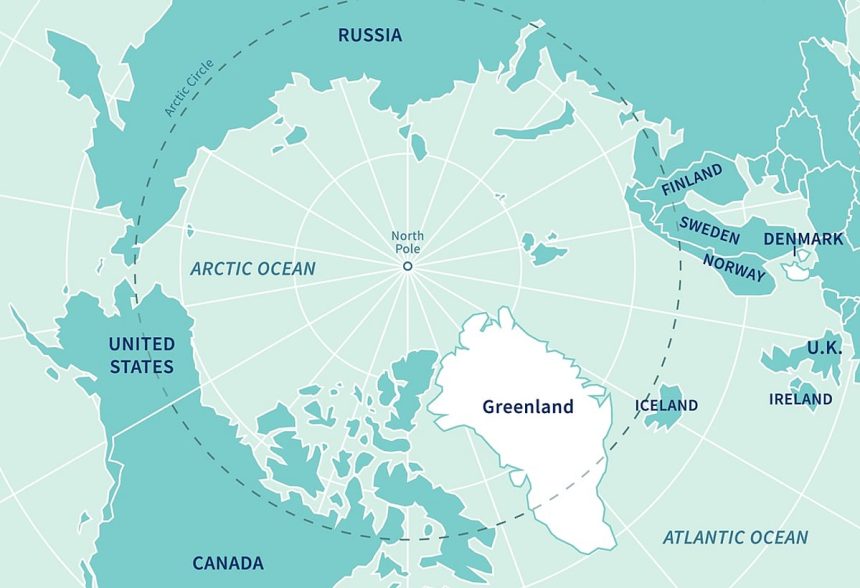
A closer look at the regional variations in Arctic hydrological change reveals a more nuanced picture. Some rivers, such as those in Alaska and western Canada, are experiencing increased discharge due to glacier runoff and changes in precipitation patterns. In contrast, rivers in eastern Canada and Greenland are seeing decreased discharge due to reduced snowmelt and glacier mass loss. These regional variations have significant implications for ocean circulation, sea-ice formation, and the global climate system as a whole. For example, changes in river discharge can affect the formation of sea ice, which in turn can impact global ocean currents and weather patterns.
The implications of these changes are far-reaching and multifaceted. As the Arctic continues to warm, we can expect to see more extreme hydrological events, such as floods and droughts, which will have devastating impacts on local ecosystems and communities. Moreover, changes in Arctic river discharge will have cascading effects on the global ocean system, potentially leading to changes in ocean circulation, marine ecosystems, and the global climate. As scientists and policymakers, it is essential that we understand these regional variations and their implications to develop effective strategies for mitigating and adapting to these changes.
A Call to Action: Monitoring and Managing Arctic Hydrological Change
The study of Arctic hydrological change highlights the need for continued monitoring and research into the region’s complex and dynamic systems. By improving our understanding of these systems, we can better predict and prepare for the changes that are coming. This requires a coordinated effort from scientists, policymakers, and local communities to develop and implement effective management strategies for Arctic rivers and the ecosystems they support. For instance, this could involve the development of early warning systems for extreme hydrological events, the implementation of sustainable water management practices, and the protection of critical habitats and ecosystems.
As we look to the future, it is clear that the Arctic will continue to play a critical role in shaping our planet’s climate and ecosystems. By working together to understand and manage Arctic hydrological change, we can reduce the risks associated with these changes and capitalize on the opportunities they present. The fate of the Arctic, and indeed the planet, depends on our ability to respond to these changes in a proactive and sustainable way. As we move forward, it is essential that we prioritize the health and resilience of Arctic ecosystems, recognize the interconnectedness of the global climate system, and work towards a future that is more equitable, sustainable, and just for all.
The journey ahead will be long and challenging, but it is also filled with opportunities for discovery, innovation, and collaboration. As we navigate the uncharted waters of Arctic hydrological change, we must remain committed to the principles of sustainability, equity, and justice, and work together to create a brighter future for the Arctic and the planet as a whole. By doing so, we can ensure that the Arctic remains a vibrant and thriving ecosystem, capable of supporting the diverse range of life that calls this unique and fascinating region home.