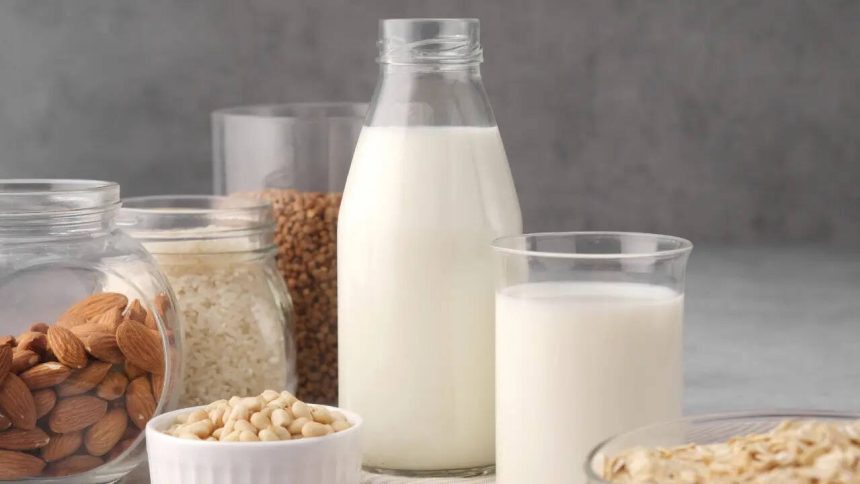
When it comes to calcium-rich foods, milk has long been hailed as the ultimate champion. However, a closer look at the culinary world of India reveals a treasure trove of nutritious alternatives that pack more calcium per 100 grams than milk itself. From humble rajma to the revered rajgira, these Indian food items are not only delicious but also a game-changer for those following plant-based or dairy-free diets. In this article, we’ll explore seven of these calcium powerhouses that will make you rethink your dairy intake.
Legumes: The Unsung Heroes of Indian Cuisine
Legumes, including lentils, chickpeas, and kidney beans, are often overlooked as a rich source of calcium. However, one of the most calcium-dense foods in the Indian diet is the humble rajma, also known as kidney beans. With 247 milligrams of calcium per 100 grams, rajma beats milk’s 120 milligrams by a significant margin. Another standout legume is the moong daal, which boasts an impressive 218 milligrams of calcium per 100 grams. These legumes are not only rich in calcium but also packed with protein, fiber, and other essential nutrients, making them an excellent addition to a plant-based diet.
Other calcium-rich legumes worth exploring include chana (chickpeas) and masoor daal. Chana, with its 123 milligrams of calcium per 100 grams, is a great source of plant-based protein, while masoor daal, with 143 milligrams of calcium per 100 grams, is a staple in many Indian households. By incorporating these legumes into your diet, you can significantly boost your calcium intake without relying on dairy products.
Seeds and Nuts: Tiny but Packed with Calcium
Seeds and nuts are often overlooked as a rich source of calcium, but they are indeed a treasure trove of this essential nutrient. One of the most calcium-rich seeds is the sesame seed, with an impressive 340 milligrams per 100 grams. Another standout is the pumpkin seed, which boasts 220 milligrams of calcium per 100 grams. Almonds, with 78 milligrams of calcium per 100 grams, are also an excellent addition to a dairy-free diet. These tiny seeds and nuts are not only rich in calcium but also packed with healthy fats, protein, and fiber, making them an excellent snack or addition to your favorite recipes.
Other calcium-rich seeds worth exploring include sunflower seeds and melon seeds. Sunflower seeds, with 124 milligrams of calcium per 100 grams, are a great source of protein and healthy fats, while melon seeds, with 136 milligrams of calcium per 100 grams, are a staple in many Indian households. By incorporating these seeds and nuts into your diet, you can significantly boost your calcium intake without relying on dairy products.
Whole Grains and Leafy Greens: The Calcium-Fortified Indian Diet
Whole grains and leafy greens are often the unsung heroes of the Indian diet, providing a wealth of essential nutrients, including calcium. One of the most calcium-rich whole grains is the amaranth, with an impressive 345 milligrams per 100 grams. Another standout is the ragi, which boasts 240 milligrams of calcium per 100 grams. Leafy greens, such as kale and spinach, are also packed with calcium, with kale boasting 90 milligrams of calcium per 100 grams and spinach boasting 80 milligrams of calcium per 100 grams. These whole grains and leafy greens are not only rich in calcium but also packed with fiber, vitamins, and minerals, making them an excellent addition to a plant-based diet.
Other calcium-rich whole grains worth exploring include oatmeal and quinoa. Oatmeal, with 75 milligrams of calcium per 100 grams, is a great source of fiber and protein, while quinoa, with 84 milligrams of calcium per 100 grams, is a complete protein, making it an excellent addition to a dairy-free diet. By incorporating these whole grains and leafy greens into your diet, you can significantly boost your calcium intake without relying on dairy products.
As we explore the culinary world of India, it’s clear that there are numerous alternatives to milk that are rich in calcium. From legumes to seeds and nuts, whole grains to leafy greens, the options are endless. By incorporating these nutritious foods into your diet, you can significantly boost your calcium intake without relying on dairy products. So, the next time you’re at the grocery store or cooking up a storm in the kitchen, remember the calcium power of Indian cuisine and unlock the secrets of these delicious and nutritious foods.