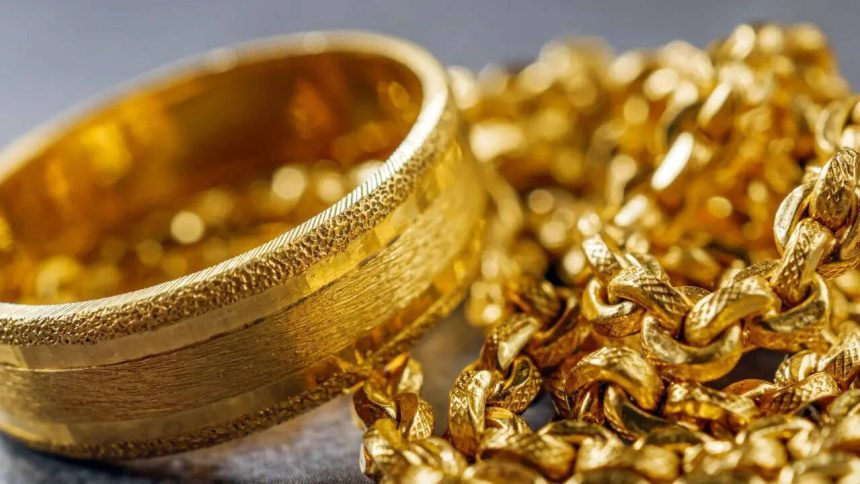
For many of us, a piece of gold jewellery is more than just a decorative item – it’s a treasured family heirloom, a symbol of love, or a personal milestone. But have you ever stopped to think about the small numbers etched onto the back or clasp of your gold necklace or ring? These numbers, known as hallmark numbers, are often overlooked, yet they hold a significant secret: the purity of the gold. Hallmark numbers such as 375, 585, 750, 916, and 999 are more than just random digits – they reveal the proportion of gold in your jewellery, and understanding what they mean can help you appreciate the value and craftsmanship of your piece.
Understanding Gold Purity
The hallmark numbers on gold jewellery represent the proportion of gold in the alloy, with the remaining percentage consisting of other metals such as silver, copper, or zinc. The most common hallmark numbers are 375, 585, 750, 916, and 999, which correspond to 9-karat, 14-karat, 18-karat, 22-karat, and 24-karat gold, respectively. The higher the number, the higher the proportion of gold in the alloy. For example, a piece of jewellery stamped with 750 contains 75% gold, while a piece stamped with 585 contains 58.5% gold.
The reason for alloying gold with other metals is to increase its strength and durability. Pure gold, or 24-karat gold, is relatively soft and prone to scratching, making it less suitable for everyday wear. By adding other metals to the alloy, goldsmiths can create stronger and more durable pieces that are better suited to daily life. However, the addition of other metals also affects the colour and appearance of the gold, with higher-karat gold generally having a more vibrant yellow colour.
The History of Hallmarking
The practice of hallmarking gold dates back to ancient times, when goldsmiths would stamp their mark onto their creations to guarantee their quality and authenticity. Over time, hallmarking evolved to include not only the maker’s mark but also the metal content and other relevant information. Today, hallmarking is a legal requirement in many countries, with strict regulations governing the use of hallmark numbers and other marks.
In addition to the hallmark number, gold jewellery may also bear other marks, such as the maker’s mark, a serial number, or a stamp indicating the country of origin. These marks can provide valuable information about the piece, including its provenance and history. For example, a piece of jewellery bearing the mark of a renowned goldsmith or jewellery house can increase its value and desirability.
What Hallmark Numbers Mean for You
So why should you care about hallmark numbers? For one, understanding the hallmark number on your gold jewellery can help you appreciate its value and craftsmanship. A higher-karat gold piece may be more valuable and desirable, but it may also be more prone to scratching and wear. On the other hand, a lower-karat gold piece may be more durable and practical, but it may also be less valuable and less desirable.
Additionally, knowing the hallmark number on your gold jewellery can help you make informed decisions when buying or selling. If you’re buying a piece of gold jewellery, look for the hallmark number to ensure that it’s genuine and of high quality. If you’re selling a piece of gold jewellery, the hallmark number can help you determine its value and authenticity. By understanding the secret code of gold hallmark numbers, you can unlock the full value and significance of your gold jewellery and appreciate its beauty and craftsmanship even more.