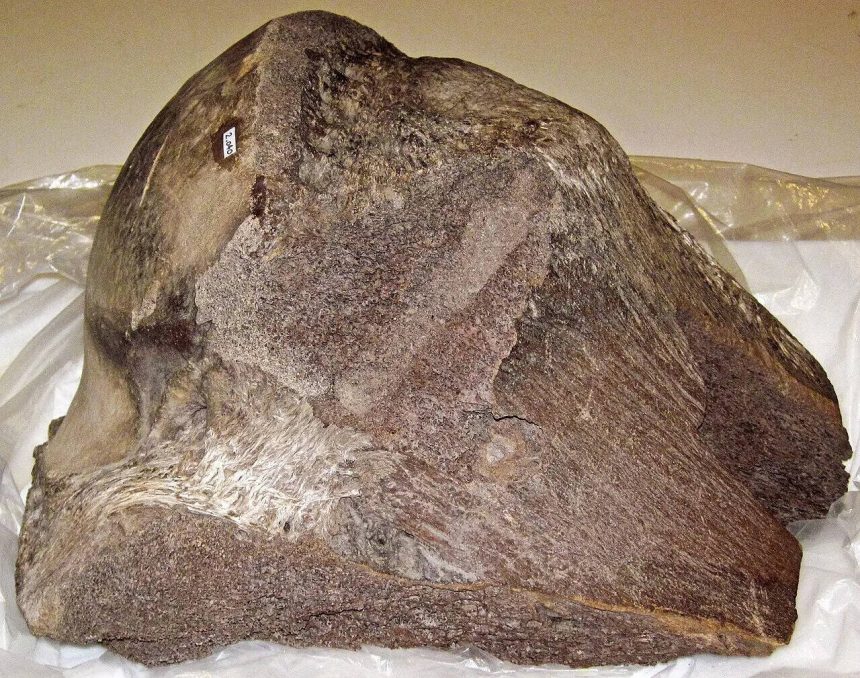
In the Colorado Rockies, a chance discovery by a bulldozer driver in 2010 would shake the foundations of our understanding of high-altitude wildlife during the last Ice Age. As the machine pushed through the muddy terrain near the town of Snowmass Village, it unearthed a juvenile Columbian mammoth tusk, a find that would send shockwaves through the scientific community. The revelation would rewrite the narrative on Ice Age ecosystems, challenging long-held assumptions about the type of wildlife that thrived in the region’s harsh, subalpine environment.
Unearthing the Past: The Snowmastodon Site
The discovery of the mammoth tusk marked the beginning of an extensive excavation at the Snowmastodon site, which would eventually yield a treasure trove of fossils and artifacts from the Late Pleistocene era. The site, nestled in the foothills of the Rocky Mountains, had long been a subject of fascination for paleontologists and geologists, who suspected that it might hold the key to understanding the region’s unique Ice Age ecosystem. As the team of scientists and researchers began to dig, they uncovered a stunning array of fossils, including those of giant ground sloths, camels, and even a short-faced bear.
The Snowmastodon site proved to be a veritable time capsule, preserving a snapshot of life in the high-altitude region during a period of significant climate change. The fossils and artifacts revealed a complex ecosystem, teeming with a diverse array of species that had adapted to the harsh, subalpine environment. The discovery of a giant ice-age beaver, for example, provided a fascinating glimpse into the region’s hydrological history, while the presence of ancient tree species suggested that the area may have been much warmer and more hospitable during the Ice Age than previously thought.
Reevaluating the Past: Implications for High-Altitude Wildlife
The Snowmastodon site has sent shockwaves through the scientific community, forcing a reevaluation of our understanding of high-altitude wildlife during the last Ice Age. The discovery of a diverse array of species, including those that were previously thought to be absent from the region, has challenged long-held assumptions about the type of wildlife that thrived in the area’s harsh environment. The revelation that the region may have been home to a variety of tree species, for example, suggests that the area may have been much warmer and more hospitable during the Ice Age than previously thought.
The implications of the Snowmastodon site are far-reaching, with significant repercussions for our understanding of high-altitude ecosystems and the impact of climate change on biodiversity. As scientists continue to unravel the secrets of the site, they are providing a fascinating glimpse into the region’s Ice Age past, one that is forcing us to rethink our assumptions about the type of wildlife that thrived in the high-altitude environment.
Preserving the Legacy of Snowmastodon
As the team of scientists and researchers continues to study the Snowmastodon site, they are working tirelessly to preserve the legacy of this incredible discovery. The site, now a designated archaeological preserve, is being carefully excavated and documented, with the aim of creating a comprehensive record of the region’s Ice Age past. The preservation of the site is a testament to the power of scientific inquiry and the importance of protecting our cultural and natural heritage for future generations.
The Snowmastodon site is a remarkable example of the importance of preserving our natural and cultural heritage, and the need for continued scientific inquiry and exploration. As we continue to unravel the secrets of the site, we are reminded of the awe-inspiring complexity and beauty of the natural world, and the importance of protecting it for future generations.
The discovery of the Snowmastodon site is a testament to the power of human curiosity and the importance of ongoing scientific inquiry. As we continue to explore the region’s Ice Age past, we are reminded of the significance of preserving our natural and cultural heritage, and the need for continued scientific investigation and discovery.