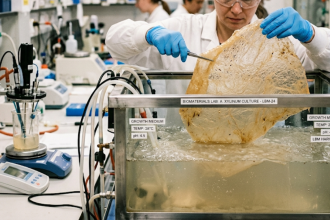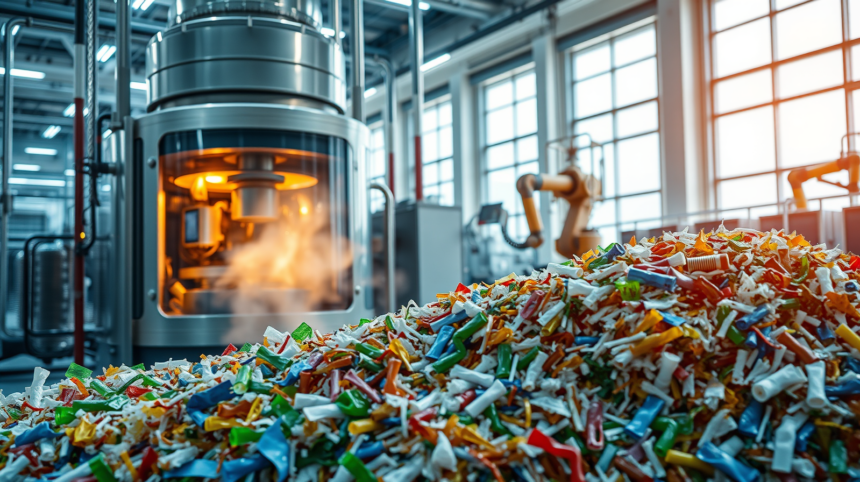
In a groundbreaking breakthrough that could revolutionize the way we think about waste management and sustainable energy, a team of researchers at Penn State University has successfully transformed discarded plastic water bottles into battery-grade graphite, a crucial component used in the production of lithium-ion batteries that power electric vehicles, smartphones, and renewable energy systems. This innovative method not only reduces plastic waste but also offers a cost-effective and environmentally friendly alternative to traditional graphite production methods, which rely heavily on energy-intensive processes and often result in the release of toxic chemicals into the environment.
Turning Trash into Treasure
The team, led by Dr. Michael Weisbecker, a materials scientist at Penn State, used a novel approach to convert waste polyethylene terephthalate (PET) plastic, a common material used in disposable drink bottles, into highly ordered synthetic graphite. This process involved a series of chemical treatments and thermal processing steps that ultimately resulted in the creation of high-quality graphite with properties comparable to those of natural graphite, the conventional material used in lithium-ion batteries. The researchers achieved this remarkable feat by leveraging the unique properties of PET plastic, which can be easily transformed into a graphite-like structure through a combination of heat, pressure, and chemical reactions.
The development of this upcycling method has significant implications for the production of lithium-ion batteries, which are used in a wide range of applications, from electric vehicles to renewable energy systems. Currently, the demand for graphite is outpacing supply, leading to concerns about the long-term sustainability of the lithium-ion battery industry. By providing a viable alternative to traditional graphite production methods, the Penn State researchers have taken a crucial step towards addressing this challenge and promoting a more circular and sustainable approach to energy storage.
Breaking Down Barriers to Adoption
While the potential of this upcycling method is vast, there are still several hurdles that need to be overcome before it can become a mainstream solution. One of the primary challenges is scaling up the process to meet the demands of the lithium-ion battery industry, which requires large quantities of high-quality graphite. Additionally, the cost-effectiveness of the upcycling method needs to be validated through further research and development. However, the Penn State researchers are optimistic that their findings can serve as a catalyst for innovation in the field, driving the development of more sustainable and efficient graphite production methods.
The team’s research has already sparked interest among industry stakeholders, with several companies expressing enthusiasm about the potential of the upcycling method. As the world continues to grapple with the challenges of plastic waste and climate change, the development of this innovative technology offers a beacon of hope for a more sustainable future. By transforming waste plastic into battery-grade graphite, the Penn State researchers have demonstrated the power of human ingenuity and creativity in addressing some of the world’s most pressing environmental and energy challenges.
A New Era for Sustainable Energy
The implications of this breakthrough extend far beyond the realm of lithium-ion batteries, with potential applications in a wide range of industries, from renewable energy to consumer electronics. As the world continues to transition towards a more sustainable and low-carbon economy, the development of innovative technologies like this upcycling method will play a critical role in driving progress towards a cleaner and more environmentally friendly future. The Penn State researchers’ work serves as a reminder that even the most seemingly insurmountable challenges can be overcome through creativity, determination, and a commitment to sustainability.
Ultimately, the transformation of waste plastic into battery-grade graphite represents a significant step towards a more circular and sustainable economy, where waste is seen as a valuable resource rather than a liability. As the world continues to grapple with the challenges of plastic waste and climate change, the development of innovative technologies like this upcycling method offers a beacon of hope for a more sustainable future, where energy and resources are harnessed in a way that benefits both people and the planet.