The US economy has hit a speed bump, with GDP growth slowing to 1.5% in the second quarter, its slowest pace this year. Despite this, strong consumer spending and steady business investment have helped cushion the blow, keeping the economy on track. The surge in imports has been a major drag on growth, but inflation has shown further signs of easing, providing a silver lining for policymakers. As the economy navigates this slowdown, all eyes are on the Federal Reserve, which is expected to take a more dovish stance in the coming months.
Economic Indicators
The second quarter GDP growth of 1.5% is a significant slowdown from the 3.2% growth seen in the first quarter. The main culprit behind this slowdown is the surge in imports, which increased by 5.5% in the second quarter, outpacing export growth. This has resulted in a wider trade deficit, which has subtracted from GDP growth. However, consumer spending, which accounts for roughly 70% of the economy, has remained robust, growing at a 4.3% annualized rate. Business investment has also been steady, with a 2.7% increase in the second quarter.
The slowdown in GDP growth has been anticipated by many economists, who point to the fading impact of the 2017 tax cuts and the ongoing trade tensions. However, the fact that consumer spending has remained strong is a positive sign, as it suggests that the economy is still on a solid footing. The easing of inflation is also a welcome development, as it reduces the pressure on the Federal Reserve to raise interest rates. The core personal consumption expenditures (PCE) index, which is the Fed’s preferred measure of inflation, has slowed to 1.8%, below the central bank’s 2% target.
Consumer Spending
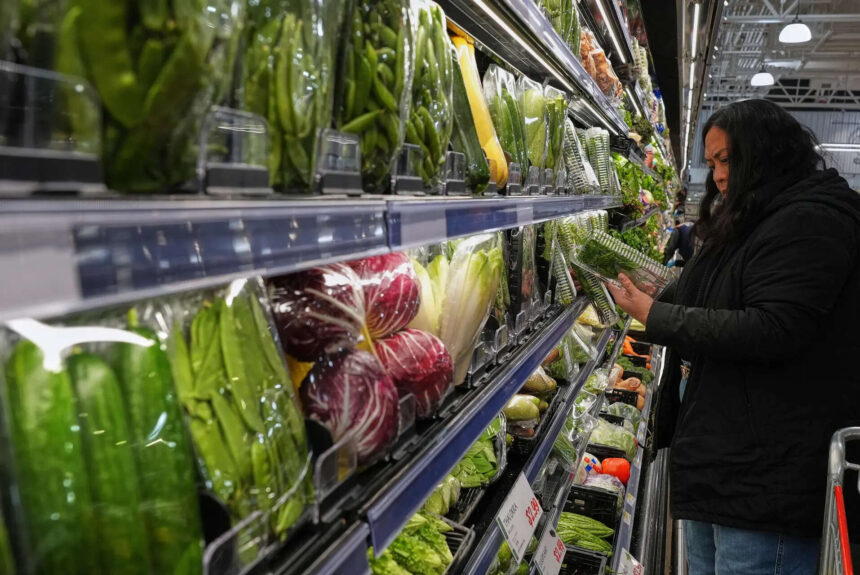
Consumer spending has been the bright spot in the economy, with households continuing to splurge on goods and services. The strong labor market, with low unemployment and rising wages, has been a major driver of consumer spending. The savings rate has also remained healthy, providing households with the financial cushion to absorb any economic shocks. The consumer confidence index has remained high, with respondents expressing optimism about their financial prospects and the overall economy.
The strength in consumer spending has been broad-based, with increases seen in both durable and non-durable goods. Spending on services has also been robust, with healthcare and financial services seeing significant increases. The housing market has also been a beneficiary of the strong consumer spending, with housing starts and existing home sales increasing in recent months. As the economy navigates this slowdown, consumer spending is likely to remain a key driver of growth, providing a cushion against any external shocks.
Outlook and Implications
The slowdown in GDP growth has significant implications for monetary policy, with the Federal Reserve likely to take a more dovish stance in the coming months. The easing of inflation and the slowdown in growth have reduced the pressure on the Fed to raise interest rates, and a rate cut is now seen as a distinct possibility. The Fed’s next meeting is scheduled for September, and policymakers will be watching the data closely before making any decisions. The slowdown in growth also has implications for the ongoing trade tensions, with the US and China engaged in a protracted trade war.
The US economy is expected to continue growing, albeit at a slower pace, with consumer spending remaining the main driver of growth. The slowdown in GDP growth is a reminder that the economy is not immune to external shocks, and policymakers need to remain vigilant to ensure that the economy remains on track. As the economy navigates this slowdown, all eyes are on the Federal Reserve, which holds the key to monetary policy. The next few months will be crucial in determining the trajectory of the economy, and policymakers will be watching the data closely before making any decisions.