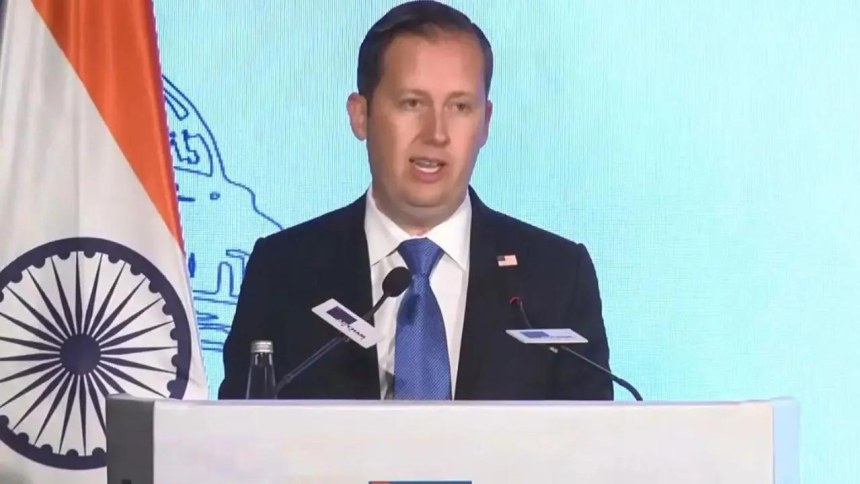
The United States and India are on the cusp of a major breakthrough in their trade negotiations, with US Ambassador to India Sergio Gor announcing that the proposed agreement is in its final stages. After nearly 18 months of intense talks, the two nations have managed to resolve almost all of the outstanding issues, with only the last one per cent remaining to be ironed out. This significant progress has sparked optimism that the pact will be concluded soon, paving the way for a new era of economic cooperation between the two countries. The US-India trade deal is expected to have far-reaching implications for businesses and industries on both sides, and its successful completion would be a major achievement for the governments of both nations.
Background and Context
The US-India trade negotiations have been a long and complex process, with multiple rounds of talks taking place over the past year and a half. The two countries have been working to resolve a range of issues, including tariffs, market access, and intellectual property rights. Despite the challenges and setbacks that have arisen along the way, the negotiators have persisted, driven by a shared commitment to strengthening the economic relationship between the US and India. The progress that has been made so far is a testament to the hard work and dedication of the teams involved, and it is clear that a major breakthrough is now within sight.
The US-India trade deal has the potential to be a major boost to the economies of both countries, and its successful completion would send a powerful signal to the rest of the world about the strength and resilience of the bilateral relationship. The deal would provide a framework for increased trade and investment between the two nations, and would help to create new opportunities for businesses and industries on both sides. It would also demonstrate the ability of the US and India to work together to resolve complex issues and achieve common goals, and would be a major step forward in the development of a more comprehensive and strategic partnership.
Key Issues and Challenges
Despite the progress that has been made, there are still some significant challenges that need to be overcome before the US-India trade deal can be finalized. One of the main issues that remains to be resolved is the question of tariffs, with the US seeking greater access to the Indian market for its goods and services. The Indian government has been reluctant to concede on this point, and has been pushing for greater concessions from the US in areas such as agriculture and pharmaceuticals. The two sides have also been discussing issues related to intellectual property rights, with the US seeking stronger protections for American companies operating in India.
Another key challenge that needs to be addressed is the issue of trade imbalances, with the US seeking to reduce its trade deficit with India. The US has been pushing for India to open up its markets to American goods and services, and to reduce its tariffs and other trade barriers. The Indian government has been resistant to these demands, and has been seeking greater concessions from the US in areas such as textiles and apparel. Despite these challenges, the negotiators remain confident that a deal can be reached, and are working intensively to resolve the outstanding issues.
Implications and Next Steps
The successful completion of the US-India trade deal would have significant implications for businesses and industries on both sides. It would provide a framework for increased trade and investment, and would help to create new opportunities for growth and development. The deal would also demonstrate the ability of the US and India to work together to resolve complex issues and achieve common goals, and would be a major step forward in the development of a more comprehensive and strategic partnership. The next steps will be critical, as the negotiators work to finalize the agreement and prepare it for signature.
The US-India trade deal is a major opportunity for both countries to strengthen their economic relationship and to promote growth and development. With the finish line now in sight, the negotiators are poised to make history and to create a new era of economic cooperation between the US and India. The successful completion of the deal would be a testament to the strength and resilience of the bilateral relationship, and would send a powerful signal to the rest of the world about the ability of the US and India to work together to achieve common goals.