The world of medicine has long been aware of the devastating impact of snakebite envenomation, a condition that claims up to 100,000 lives annually and affects millions more. Despite the severity of this issue, the primary medical solution has remained largely unchanged for over a century – the production of snake antivenom immunoglobulins. These life-saving treatments, consisting of purified antibodies, are capable of neutralizing the complex toxins found in snake venom, and their production is a fascinating process that involves an unlikely hero: horse blood.
The Production Process
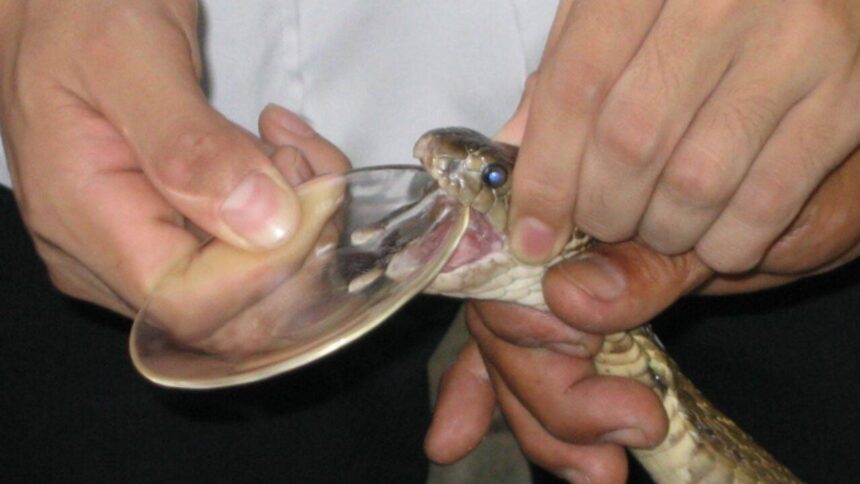
The journey of turning deadly snake venom into life-saving antivenom begins with the collection of venom from various snake species. This venom is then used to immunize horses, which are chosen for their robust immune system and ability to produce large quantities of antibodies. Over time, the horses develop immunity to the venom, and their blood is rich in antibodies that can neutralize the toxins. These antibodies are then harvested from the horse blood and purified to create the antivenom.
The production process is meticulous and time-consuming, requiring careful handling and management of both the snakes and the horses. The venom is extracted from the snakes using specialized equipment, and the horses are closely monitored to ensure their safety and well-being. The resulting antivenom is a testament to the power of immunology and the importance of continued research into the development of effective treatments for snakebite envenomation.
The Science Behind Antivenom
So, how exactly does antivenom work? The answer lies in the unique properties of antibodies, which are capable of binding to specific toxins in the venom and neutralizing their effects. When a person is bitten by a snake, the venom is injected into their bloodstream, where it can cause a range of systemic problems, from respiratory failure to cardiac arrest. The antivenom, with its targeted antibodies, is able to seek out and bind to the toxins, effectively rendering them harmless.
The development of antivenom has been a major breakthrough in the treatment of snakebite envenomation, and it has saved countless lives over the years. However, there is still much work to be done, particularly in terms of improving access to antivenom in rural and remote areas, where snakebites are often more common. By continuing to refine the production process and develop more effective treatments, researchers hope to one day eradicate the threat of snakebite envenomation altogether.
The Future of Antivenom Production
As medical research continues to advance, new technologies and methods are being explored for the production of antivenom. One area of interest is the use of recombinant antibodies, which can be produced in the laboratory using genetic engineering techniques. These antibodies have the potential to be more targeted and effective than traditional antivenom, and they may also be more cost-effective to produce.
Additionally, there is a growing recognition of the importance of preserving biodiversity and protecting snake populations, which are often threatened by habitat destruction and other human activities. By conserving these species and their habitats, we can help to ensure the long-term sustainability of antivenom production and reduce the risk of snakebite envenomation. As we look to the future, it is clear that the production of antivenom will continue to play a vital role in the treatment of snakebite envenomation, and that horse blood will remain an essential component of this life-saving process.
The story of how horse blood helps to turn deadly snake venom into life-saving antivenom is a testament to the power of medical research and the importance of continued innovation in the field. As we move forward, it is essential that we continue to support and fund research into the development of effective treatments for snakebite envenomation, and that we work to improve access to these treatments for those who need them most. By doing so, we can help to save countless lives and reduce the burden of this devastating condition on communities around the world.