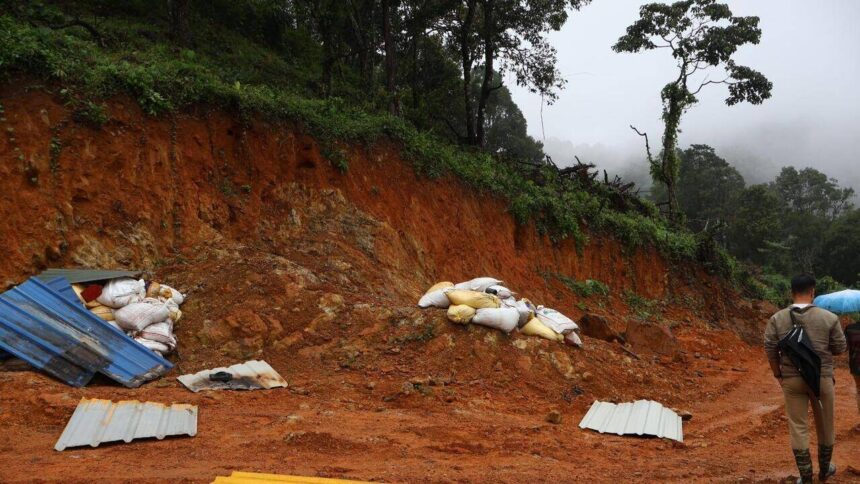
The Wayanad Elephant Reserve, a crucial corridor for the movement of elephants between the Western Ghats and the Nilgiris, is facing an unprecedented threat due to the increasing trend of illegal excavation activities. The Periya-Pakranthalam elephant corridor, a vital part of this reserve, is being destroyed by the relentless pursuit of human interests, raising serious concerns about the conservation of wild elephants and the potential for increased human-wildlife conflicts in the area.
Environmentalists Sound the Alarm
Environmentalists have written to the Union Ministry of Environment, Forests and Climate Change, the Project Elephant wing, and the state forest department officials, requesting urgent intervention to prevent land use changes within the corridor. They have also requested the implementation of stricter regulations to prevent the destruction of the elephant habitat in the region. The environmentalists claim that the government’s inaction will have severe consequences, including the loss of elephant habitats, increased human-wildlife conflicts, and the potential extinction of the elephant population in the area.
The environmentalists have also pointed out that the lack of effective enforcement of existing laws and regulations has contributed to the degradation of the elephant habitat in the region. They have requested that the government take immediate action to stop the illegal excavation activities and restore the damaged habitat to its original state.
The Consequences of Human-Wildlife Conflict
The human-wildlife conflict in the Wayanad Elephant Reserve is a complex issue that has been exacerbated by the increasing trend of human settlements and agricultural activities in the region. The expansion of human settlements has led to the destruction of elephant habitats, forcing the elephants to venture into agricultural areas in search of food, leading to conflicts with local farmers.
The consequences of human-wildlife conflict can be severe, including the loss of human lives and property, as well as the killing of elephants by local communities in self-defense. The conflict can also have long-term consequences for the ecosystem, including the disruption of food chains and the degradation of habitats.
Urgent Action Needed
The environmentalists have emphasized the need for urgent action to prevent the destruction of the elephant habitat in the Wayanad Elephant Reserve. They have requested that the government take immediate action to stop the illegal excavation activities, restore the damaged habitat, and implement stricter regulations to prevent land use changes within the corridor.
The government’s inaction will have severe consequences for the elephant population and the ecosystem as a whole. It is essential that the government takes immediate action to prevent the destruction of the elephant habitat and protect the elephants from human-wildlife conflict. The future of the elephant population and the ecosystem depends on it.