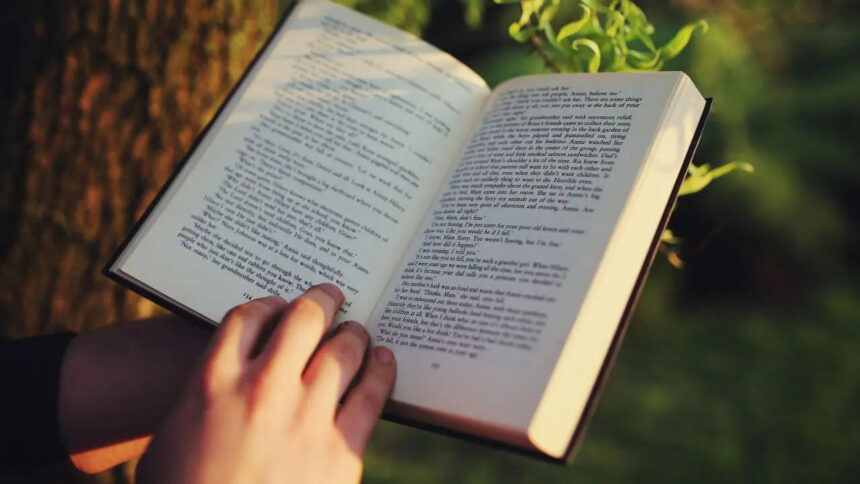
In the midst of a cluttered childhood bedroom or an overstocked bookshelf, there’s often one book that stands out from the rest. Maybe it’s a tattered copy of ‘Charlotte’s Web’ with a worn-out cover, a dog-eared novel with a favorite character’s name scribbled in the margins, or a faded fairy tale collection with a child’s hand-drawn illustrations. These books are more than just relics of a bygone era – they hold a special place in our hearts, and psychology suggests there’s a deeper reason behind their enduring presence in our lives. Whether it’s a treasured keepsake or a nostalgic reminder of childhood memories, these books evoke a sense of comfort, familiarity, and even a connection to our younger selves.
Childhood Memories and Emotional Attachment
One reason we hold onto childhood books is the emotional attachment they evoke. These books often served as companions during a period of rapid growth and development, providing comfort, reassurance, and a sense of security. The stories, characters, and illustrations within their pages helped shape our perceptions of the world, forming a foundation for our emotional intelligence and empathetic understanding of others. As we’ve grown older, our tastes and interests have likely shifted, but the memories and emotions associated with these books remain, making it difficult to part with them. This attachment is not just sentimental; it’s a deep-seated connection to our own personal history and the people who helped shape us.
This emotional attachment can also be linked to the concept of ‘sentimental value,’ a term used to describe the emotional significance we assign to objects. Sentimental value is a powerful force, capable of influencing our behavior and decision-making. In the case of childhood books, their sentimental value is often tied to memories of family members, caregivers, or other influential figures from our past. By holding onto these books, we’re holding onto a tangible piece of our history, a reminder of the people and experiences that helped shape us into the individuals we are today.
The Role of Nostalgia and Personal Identity
Nostalgia is another key factor in our attachment to childhood books. Nostalgia is a bittersweet emotion that often arises when we reflect on the past, remembering happy times, people, and places. Childhood books can evoke powerful nostalgia, transporting us back to a simpler, more carefree era. As we’ve grown older, our lives have likely become more complex, and our sense of identity has evolved. By holding onto childhood books, we’re able to reconnect with our past selves, revisiting memories and emotions that have shaped our personal identity. This nostalgia can also serve as a coping mechanism, providing a sense of comfort and reassurance during times of uncertainty or change.
Moreover, nostalgia can be a powerful tool for self-reflection and personal growth. By revisiting our childhood books, we’re able to re-examine our thoughts, feelings, and experiences from a new perspective. This process of reflection can help us better understand our values, motivations, and goals, providing valuable insight into our personal identity. In this sense, holding onto childhood books is not just about nostalgia; it’s about understanding ourselves better, acknowledging our past, and embracing our growth as individuals.
The Importance of Preserving Childhood Memories
Finally, childhood books hold a special place in our lives because they preserve memories of our childhood, a period of life that’s often marked by rapid growth, exploration, and discovery. These books serve as a window into our past, providing a tangible connection to our earlier years. By holding onto them, we’re able to preserve a piece of our history, ensuring that our memories and emotions remain intact. In a world where memories can fade with time, these books serve as a reminder of our childhood, a time when life was simpler, yet perhaps more meaningful.
As we navigate the complexities of adulthood, it’s easy to forget the significance of childhood memories. However, these memories play a vital role in shaping our personal identity, influencing our relationships, and informing our decisions. By holding onto childhood books, we’re not just preserving memories; we’re honoring our past, acknowledging our growth, and embracing the complexities of our present. In this sense, these books are more than just relics of a bygone era – they’re a testament to our resilience, our capacity for growth, and our enduring connection to our childhood selves.