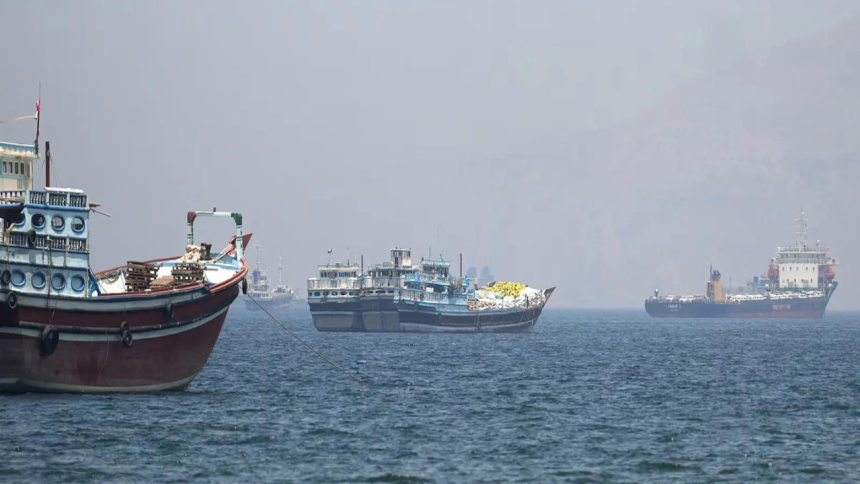
A dramatic and alarming incident has unfolded in the strategic waters of the Gulf of Oman, where an Indian dhow, identified as Haji Ali, was attacked and sank while en route from Somalia to Sharjah in the UAE. The vessel, which was carrying a crew of Indian nationals, was targeted in the early hours of Wednesday, prompting a swift rescue operation by Omani authorities. The crew members were fortunately rescued, but the attack has raised serious concerns about the safety and security of maritime traffic in the region, particularly in the wake of heightened tensions between the US and Iran.
Background and Context
The incident involving the Indian dhow Haji Ali is the latest in a series of alarming events that have taken place in the Gulf of Oman in recent weeks. The region has been on high alert since June, when two oil tankers were attacked in the Strait of Hormuz, a critical waterway that connects the Gulf to the Arabian Sea. The US has blamed Iran for the attacks, which Tehran has denied. The tensions have escalated further, with the US deploying additional troops and military assets to the region, citing concerns about Iranian aggression.
Against this backdrop, the attack on the Indian dhow has sparked fears about the potential for further escalation and the risks faced by merchant vessels and their crews. India, which has significant trade and economic interests in the region, has been watching the situation closely, with the government taking steps to ensure the safety of its ships and nationals. The Indian Navy has been deployed in the region to escort Indian vessels, and the government has advised Indian ships to exercise extreme caution while transiting through the Strait of Hormuz.
Impact on Maritime Trade
The attack on the Indian dhow has significant implications for maritime trade in the region, which is a critical lifeline for the global economy. The Strait of Hormuz is one of the busiest shipping lanes in the world, with thousands of vessels passing through it every year. Any disruption to shipping in the region could have far-reaching consequences, including higher oil prices, delays in the delivery of goods, and increased costs for consumers. The incident has also raised concerns about the potential for piracy and terrorism in the region, which could further exacerbate the risks faced by ships and their crews.
Meanwhile, two more India-bound ships, carrying LPG, have crossed the Strait of Hormuz, taking the total number of such vessels to 13. The ships, which are being escorted by the Indian Navy, are expected to arrive in Indian ports in the coming days. The government has assured the public that all necessary measures are being taken to ensure the safe passage of Indian vessels, but the risks and uncertainties in the region remain high.
Regional and Global Implications
The attack on the Indian dhow has significant regional and global implications, highlighting the need for collective action to address the challenges faced by the international community. The incident has sparked a diplomatic row, with India and other countries in the region calling for calm and restraint. The US, which has been at the forefront of efforts to isolate Iran, has issued a statement condemning the attack and calling for greater cooperation to ensure the safety of maritime traffic.
The incident has also highlighted the need for greater investment in maritime security, including the deployment of naval assets and the development of more effective surveillance and monitoring systems. The international community must come together to address the common challenges faced by the global economy, including the risks posed by terrorism, piracy, and other forms of maritime crime. As the situation in the Gulf of Oman continues to unfold, one thing is clear: the need for collective action and cooperation has never been more pressing.
The attack on the Indian dhow is a sobering reminder of the risks and uncertainties faced by the international community in the Gulf of Oman. As the region continues to navigate the challenges posed by heightened tensions and maritime crime, the need for calm, restraint, and collective action has never been more urgent. The international community must come together to address the common challenges faced by the global economy and ensure the safe passage of maritime traffic in the region.