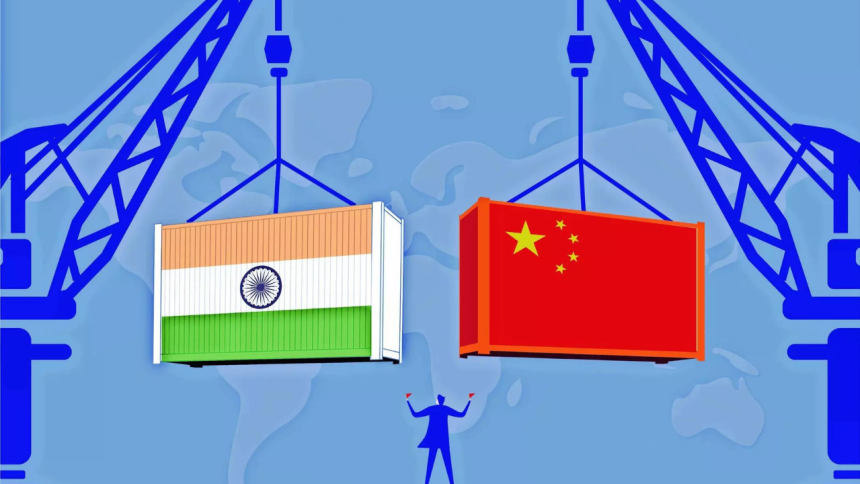
India has taken a strong stance against China’s bid to establish a dispute settlement panel at the World Trade Organization, rejecting the request in a case that challenges New Delhi’s support measures for the solar cells, modules, and information technology sectors. This move is seen as a significant development in the ongoing trade tensions between the two nations, with India standing firm on its policies to promote domestic industries. The dispute, which has been simmering for months, is now set to move to the next stage, with China likely to appeal the decision and seek a review by the WTO’s Dispute Settlement Body.
Background of the Dispute
The dispute began when China questioned the legitimacy of India’s support measures for the solar cells and modules sector, alleging that these measures violate global trade rules. China claimed that the Indian government’s policies, which include subsidies and other incentives, unfairly favor domestic manufacturers and discriminate against foreign suppliers. India, on the other hand, has argued that its policies are necessary to promote the development of the renewable energy sector and reduce the country’s dependence on fossil fuels.
India’s support measures for the solar sector have been a key component of the country’s efforts to increase its use of renewable energy and reduce greenhouse gas emissions. The government has set ambitious targets for the development of the solar sector, including a goal of generating 100 gigawatts of solar power by 2022. To achieve this goal, the government has implemented a range of policies, including subsidies, tax incentives, and other support measures, to encourage the development of domestic solar manufacturing capacity.
Implications of the Dispute
The dispute between India and China has significant implications for the global trade landscape, particularly in the renewable energy sector. The case has the potential to set a precedent for other countries that are seeking to promote the development of their domestic renewable energy sectors. If India’s support measures are found to be in violation of WTO rules, it could have far-reaching consequences for the country’s renewable energy sector and its ability to achieve its climate change goals.
The dispute also highlights the ongoing trade tensions between India and China, which have been escalating in recent months. The two countries have been engaged in a series of trade disputes, including a recent spat over India’s imposition of tariffs on Chinese imports. The dispute over solar support measures is just the latest example of the trade tensions between the two nations, and it is likely to have significant implications for the future of their trade relationship.
Next Steps in the Dispute
Now that India has rejected China’s bid for a dispute settlement panel, the case is likely to move to the next stage. China is expected to appeal the decision and seek a review by the WTO’s Dispute Settlement Body. The body will then review the case and make a ruling on whether India’s support measures violate WTO rules. The process is likely to take several months, and the outcome is uncertain.
The dispute highlights the complexities and challenges of global trade negotiations, particularly in the renewable energy sector. As countries seek to promote the development of their domestic industries and achieve their climate change goals, they must navigate a complex web of global trade rules and regulations. The case between India and China is just one example of the challenges that countries face in balancing their domestic policy objectives with their international trade obligations. The outcome of the dispute will be closely watched by other countries and will have significant implications for the future of global trade in the renewable energy sector.