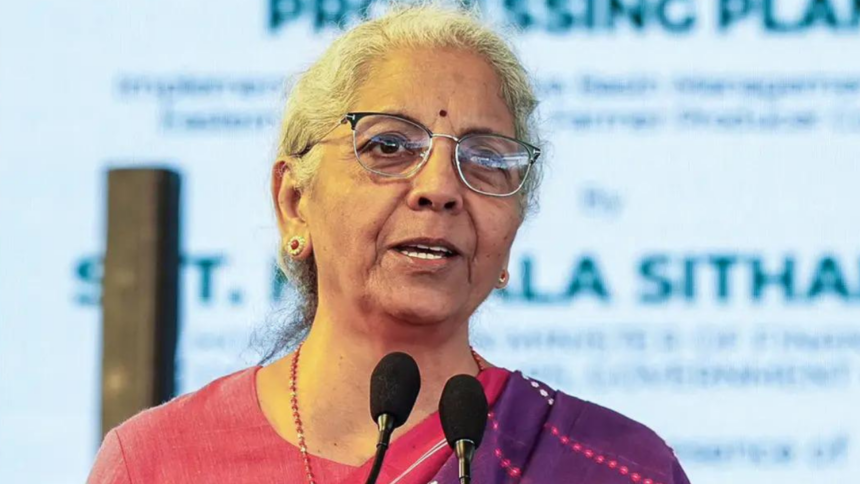
Union Finance Minister Nirmala Sitharaman has unveiled a bold new approach to externally aided projects (EAPs), emphasizing their potential to transform the Northeast region’s economic landscape. Speaking at a recent event, Sitharaman highlighted the need for EAPs to go beyond mere financing tools and instead focus on empowering local products from the Northeast to reach global markets. By leveraging these projects, the region can turn its geographical challenges into economic opportunities, strengthening livelihoods and fostering growth.
Empowering Local Products
At the heart of Sitharaman’s vision is the recognition that EAPs can play a vital role in bridging the gap between local producers and global markets. For too long, the Northeast’s rich cultural heritage and natural resources have been underutilized, with many products struggling to break into international markets. By providing targeted support and infrastructure development, EAPs can help local entrepreneurs access new markets, improve their competitiveness, and increase their revenue streams.
The potential benefits are vast, with Sitharaman citing examples of successful EAPs in other regions that have led to significant economic growth and job creation. By replicating this model in the Northeast, the region can unlock new opportunities for local businesses, including micro, small, and medium enterprises (MSMEs). This, in turn, can lead to improved living standards, reduced poverty, and enhanced overall economic development.
Infrastructure Development and Logistics
Another critical aspect of Sitharaman’s strategy is the emphasis on infrastructure development and logistics. The Northeast’s vast and rugged terrain presents significant challenges for transportation and connectivity, making it difficult for local products to reach global markets. By investing in improved roads, railways, and air transport infrastructure, EAPs can help reduce transportation costs, increase delivery times, and enhance the overall efficiency of the supply chain.
This, in turn, can lead to increased trade volumes, lower costs, and improved competitiveness for local businesses. Furthermore, improved infrastructure can also facilitate the movement of goods, services, and people, fostering greater connectivity and integration between the Northeast and the rest of the country.
Strengthening Livelihoods and Fostering Growth
Sitharaman’s vision for EAPs in the Northeast is not just about economic growth; it is also about strengthening livelihoods and improving the well-being of local communities. By empowering local producers and entrepreneurs, EAPs can help create new job opportunities, improve income levels, and enhance social welfare.
The long-term benefits of this approach are significant, with a more prosperous and self-sufficient Northeast region contributing to India’s overall economic growth and development. By unlocking the region’s market potential, EAPs can help create a more inclusive and equitable economy, where everyone has access to opportunities and resources. As Sitharaman’s strategy takes shape, it is clear that the Northeast is poised to become a key driver of India’s economic growth, and EAPs will play a vital role in making this vision a reality.
In the years to come, the Northeast is likely to emerge as a major hub for trade, commerce, and entrepreneurship, with local businesses and producers reaping the rewards of their hard work and determination. As the region continues to evolve and grow, the need for EAPs will remain crucial, providing critical support and infrastructure development that will help local businesses stay competitive and thrive in the global market.